
Autologous Stem Cell Transplant
Autologous stem-cell transplant in India with haematology assessment, mobilisation and collection, high-dose conditioning and specialised transplant-unit supportive care.
Related Conditions
Our services are FREE and by using our services your hospital bill does not increase!
About Autologous Stem Cell Transplant
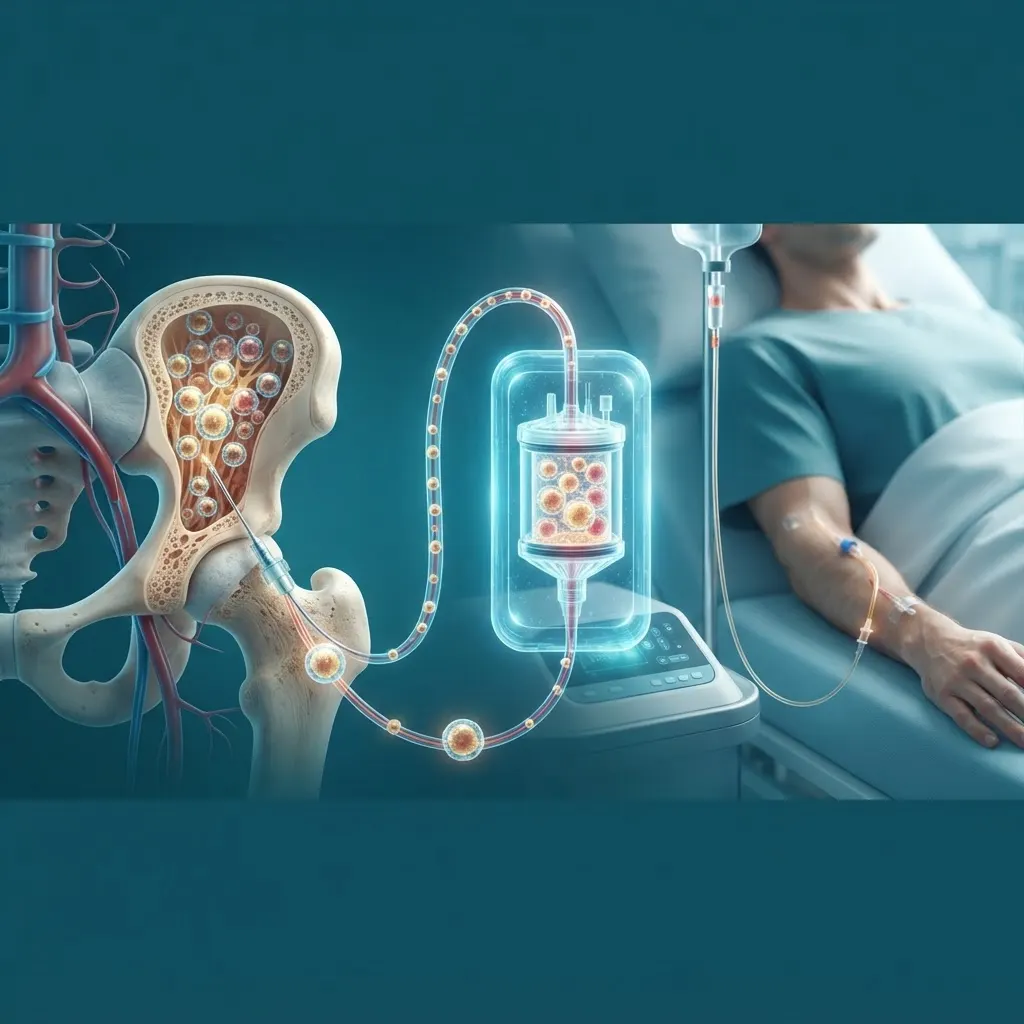
Autologous stem-cell transplant in India uses the patient’s own previously collected blood-forming stem cells and is commonly used for selected blood cancers such as multiple myeloma and some lymphomas after high-dose chemotherapy. Because the graft comes from the patient, graft-versus-host disease is not expected, but the intensive conditioning treatment still causes a period of profound immunosuppression and low blood counts.
Before transplant, patients undergo a haematology assessment, disease-status review, organ-function testing, infection screening and stem-cell mobilisation and collection. The transplant team confirms that an adequate stem-cell dose has been collected before conditioning. After high-dose treatment, the stored cells are infused back and blood-count recovery is monitored with antimicrobial support, transfusions and other supportive care when required.
Important risks include serious infection, bleeding, mucositis, organ toxicity and relapse of the underlying disease. Fever or acute deterioration during the neutropenic period requires urgent assessment by the treating transplant team.
Cost in India depends on diagnosis, mobilisation medicines, apheresis and stem-cell storage, conditioning regimen, protective isolation, blood products, antimicrobial medicines, hospital stay and management of complications. Major Indian tertiary hospitals provide haematologists, apheresis units, stem-cell laboratories and dedicated transplant facilities. Medical Help India can connect international patients with a suitable healthcare partner to review disease status and previous treatment, assess transplant eligibility and obtain an individual estimate.
What's Included
Why consider treatment in India?
Access to experienced specialists
Advanced treatment and diagnostic options
More affordable hospital care
Shorter waiting times for treatment
Help comparing hospitals, plans and costs
Support with appointments, travel and follow-up
Cost in India
USDFinal costs depend on the medical assessment, hospital, room category and clinical needs.
How it works
Share your details
Tell us about your health concerns, age and current location.
Receive a call
We call you to discuss your situation, needs and questions.
Receive a treatment plan
Get information about the most suitable treatment plan, hospital and estimated cost.
Choose your plan
Review the options and agree on your care and travel plan.
Get full support
Receive full support throughout every stage of your care journey.
Receive care in India
Receive your planned care with support throughout your stay.
Top Hospitals for Autologous Stem Cell Transplant
View All Hospitals →



Top Doctors for Autologous Stem Cell Transplant
View All Doctors →
Dr. Rakesh Ojha
Hemato-Oncology & Haematology · 20+ yrs
Dr. Gaurav Dixit
BMT, Haematopoietic Stem Cell Transplant & Hematology · 15+ yrs

Dr. Ashish Dixit
Clinical Hematology, Hemato-Oncology & Bone Marrow Transplant

Dr. Mobin Paul
Haematology, Haemato Oncology & BMT · 10+ yrs

Dr Punit L Jain
Haemato-Oncology & Clinical Haematology · 13+ yrs
Dr. Rayaz Ahmed
Bone Marrow Transplant, Haematology & Hematology Oncology · 17+ yrs
Frequently Asked Questions
How much does Autologous Stem Cell Transplant cost in India?
Costs include assessment, stem-cell mobilisation and collection, storage, conditioning, infusion and supportive care. Medicines, transfusions, infections or a longer admission can change the estimate.
Which medical reports are useful to have ready for Autologous Stem Cell Transplant?
Have ready: the haematology diagnosis, pathology or bone-marrow reports, disease-response assessments and previous chemotherapy details. Include organ-function tests already completed and any stem-cell collection records.
How does autologous transplant differ from allogeneic transplant?
Autologous transplant uses the patient’s own stem cells, while allogeneic transplant uses donor cells and requires donor matching. Eligibility, conditioning and immune-related risks differ between the two approaches.
How are stem cells collected?
Stem cells are usually mobilised into the bloodstream and collected by apheresis before high-dose treatment.
How long does blood-count recovery take?
Blood counts usually begin to recover over the following weeks, but infection precautions and follow-up continue beyond initial engraftment.

Our services are FREE
We connect you with leading hospitals and specialists in India. You pay the hospital directly.