
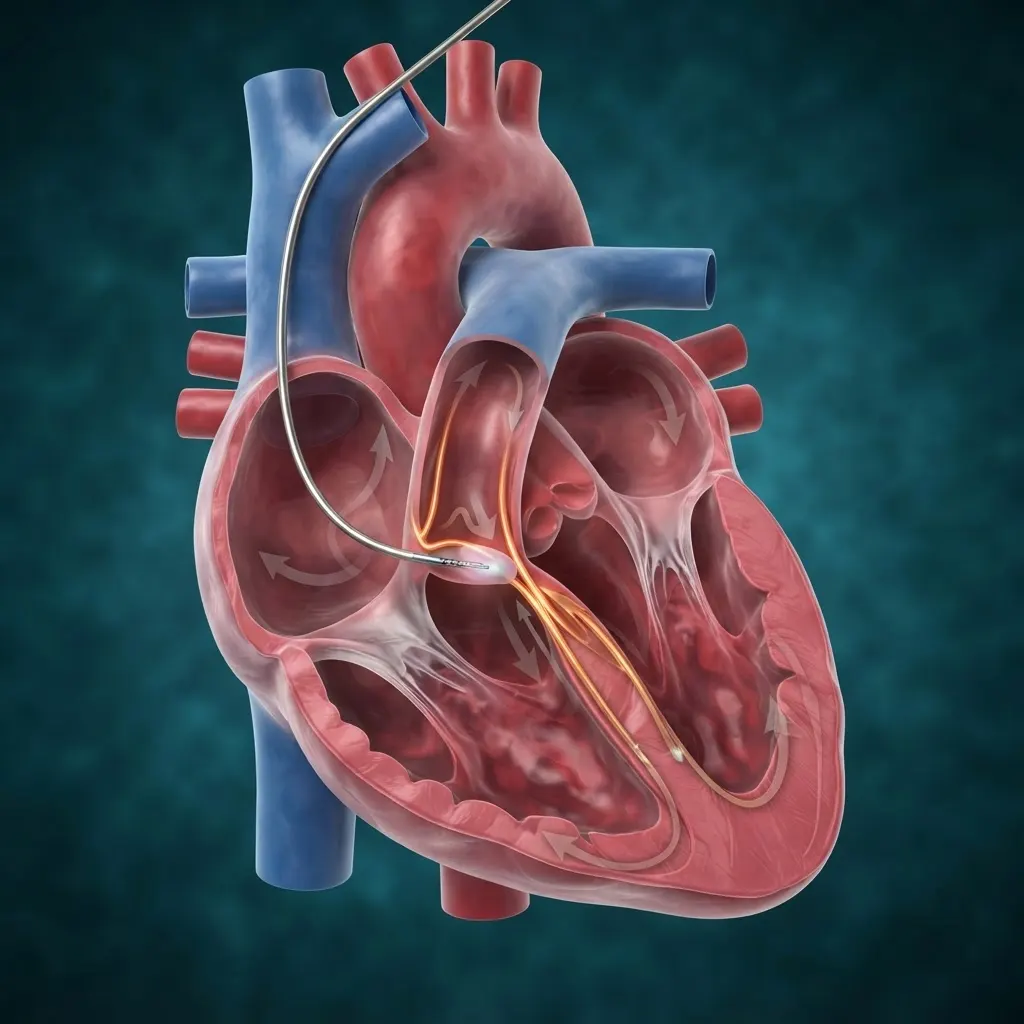
AVRT Catheter Ablation
AVRT catheter ablation in India with electrophysiology assessment and catheter-based treatment planning for accessory pathway-mediated supraventricular tachycardia.
Related Conditions
Our services are FREE and by using our services your hospital bill does not increase!
About AVRT Catheter Ablation
AVRT catheter ablation in India is a minimally invasive treatment for atrioventricular re-entrant tachycardia, a rapid heart rhythm involving an extra electrical pathway between the heart’s upper and lower chambers. This pathway can form a repeating electrical circuit, triggering sudden palpitations, dizziness, breathlessness or chest discomfort. Some patients also have Wolff-Parkinson-White syndrome. Catheter ablation aims to interrupt the pathway responsible for these episodes. Treatment is selected according to symptoms, rhythm findings and pathway characteristics; medication or monitoring may be appropriate for some patients.
Assessment usually involves a cardiac electrophysiologist, ECG or rhythm-monitoring review and an electrophysiology study to identify the abnormal circuit. Echocardiography may also be used to assess heart structure and function. The specialist considers the pathway’s location, previous treatment and individual procedural risks when planning radiofrequency or cryoablation.
The cost of AVRT catheter ablation in India depends on the hospital, electrophysiologist, investigations, mapping system, ablation technique, pathway complexity, sedation or anaesthesia and hospital stay. Additional monitoring or treatment can affect the final estimate.
India offers access to cardiac electrophysiology teams at tertiary-care heart hospitals, including centres with dedicated rhythm laboratories, mapping systems, ablation equipment and cardiac monitoring facilities. These teams can help with diagnosis of recurrent tachycardia, accessory-pathway assessment and personalised treatment planning, bringing together specialist consultation, catheter treatment where appropriate and follow-up care to assess symptoms and heart rhythm.
Compare AVRT ablation hospitals in India, specialist experience, treatment approaches and estimated costs. Medical Help India can connect you with a suitable healthcare partner whose team can review your ECGs and medical records and advise on appropriate treatment options and next steps.
What's Included
Why consider treatment in India?
Access to experienced specialists
Advanced treatment and diagnostic options
More affordable hospital care
Shorter waiting times for treatment
Help comparing hospitals, plans and costs
Support with appointments, travel and follow-up
Cost in India
USDFinal costs depend on the medical assessment, hospital, room category and clinical needs.
How it works
Share your details
Tell us about your health concerns, age and current location.
Receive a call
We call you to discuss your situation, needs and questions.
Receive a treatment plan
Get information about the most suitable treatment plan, hospital and estimated cost.
Choose your plan
Review the options and agree on your care and travel plan.
Get full support
Receive full support throughout every stage of your care journey.
Receive care in India
Receive your planned care with support throughout your stay.
Frequently Asked Questions
How much does AVRT catheter ablation cost in India?
The cost depends on the electrophysiology study, mapping system, ablation technique, accessory-pathway complexity, hospital and length of stay. Ask whether the estimate includes investigations, specialist fees, ablation consumables, anaesthesia and post-procedure monitoring.
Which medical reports are useful to have ready for AVRT catheter ablation?
Have ready: available ECGs, especially recordings taken during tachycardia, Holter or event-monitor reports, echocardiography results and your current medication list. Include reports from any previous electrophysiology study or ablation, together with a description of your symptoms and previous treatment.
What causes AVRT?
AVRT uses an accessory electrical pathway between the atria and ventricles to create a re-entry circuit. Some accessory pathways are associated with Wolff-Parkinson-White pattern.
How is the accessory pathway found during ablation?
An electrophysiology study maps electrical activation in the heart to identify the pathway location before radiofrequency or cryoablation is applied.
Is every accessory pathway treated with ablation?
No. The decision depends on symptoms, pathway characteristics, rhythm risk and individual circumstances. An electrophysiologist should assess the need for treatment.

Our services are FREE
We connect you with leading hospitals and specialists in India. You pay the hospital directly.