
Corneal Transplants
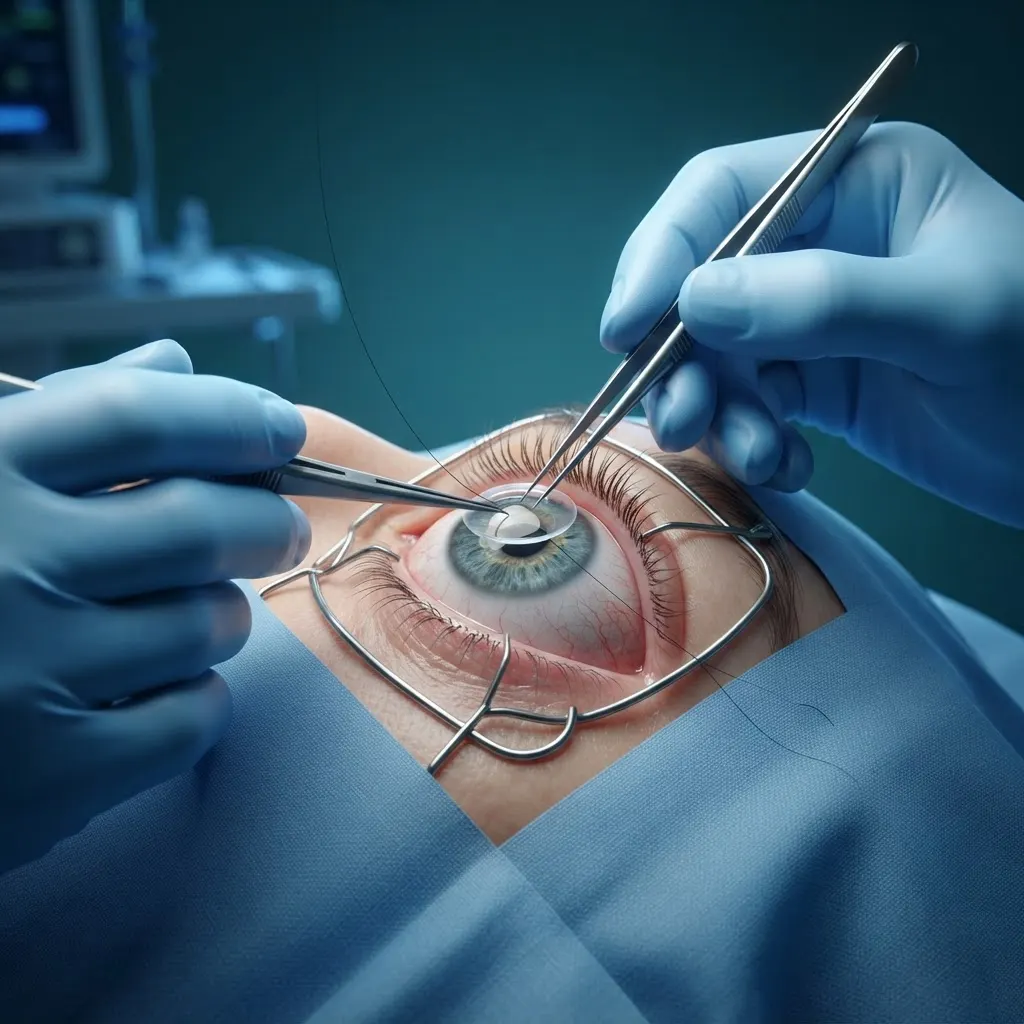
Corneal transplantation in India with specialist assessment and full- or partial-thickness graft selection based on the affected corneal layers and eye condition.
Related Conditions
Our services are FREE and by using our services your hospital bill does not increase!
About Corneal Transplants
Corneal transplantation in India replaces diseased or scarred corneal tissue with donor tissue to improve vision or restore corneal integrity. The type of transplant depends on which corneal layers are affected and may include full-thickness penetrating keratoplasty or selective procedures such as DALK, DSAEK or DMEK.
Before surgery, patients undergo a corneal specialist examination, visual testing and detailed corneal imaging or measurements. The surgeon reviews the underlying disease, eye pressure, retinal status, previous surgery and whether a partial-thickness graft is suitable. Donor tissue availability and quality, ocular-surface disease and other eye conditions can also influence timing and expected outcome.
Risks include graft rejection or failure, infection, pressure changes, astigmatism and the possible need for further surgery, with the risk profile differing by graft type and eye condition. Sudden redness, pain, light sensitivity or loss of vision after transplantation requires urgent ophthalmic assessment because graft rejection or infection may need rapid treatment.
Cost in India depends on graft type, donor corneal tissue, hospital or eye centre, surgeon, anaesthesia, additional procedures, postoperative medicines and follow-up. Major tertiary ophthalmology centres provide corneal surgeons, eye-bank support, corneal imaging and advanced microsurgery. Medical Help India can connect international patients with a suitable healthcare partner to review eye records, compare full- and partial-thickness graft options and obtain an individual estimate.
What's Included
Why consider treatment in India?
Access to experienced specialists
Advanced treatment and diagnostic options
More affordable hospital care
Shorter waiting times for treatment
Help comparing hospitals, plans and costs
Support with appointments, travel and follow-up
Cost in India
USDFinal costs depend on the medical assessment, hospital, room category and clinical needs.
How it works
Share your details
Tell us about your health concerns, age and current location.
Receive a call
We call you to discuss your situation, needs and questions.
Receive a treatment plan
Get information about the most suitable treatment plan, hospital and estimated cost.
Choose your plan
Review the options and agree on your care and travel plan.
Get full support
Receive full support throughout every stage of your care journey.
Receive care in India
Receive your planned care with support throughout your stay.
Top Hospitals for Corneal Transplants
View All Hospitals →


Top Doctors for Corneal Transplants
View All Doctors →
Frequently Asked Questions
How much does Corneal Transplants cost in India?
Cost depends on graft technique, donor tissue, hospital, surgeon, anaesthesia and postoperative treatment. Medicines, repeated eye reviews and any further procedure should be considered in the longer-term care plan.
Which medical reports are useful to have ready for Corneal Transplants?
Have ready: corneal diagnosis, vision measurements, imaging and previous eye procedures. Include current eye drops, pressure or retinal findings and any recommendation for DALK, DSAEK, DMEK or a full-thickness graft.
What is the difference between full-thickness and partial-thickness corneal transplant?
Penetrating keratoplasty replaces the full corneal thickness, while procedures such as DALK, DSAEK or DMEK replace selected layers.
How long does vision take to improve after corneal transplant?
Visual recovery varies by technique and underlying eye disease. Some endothelial procedures recover faster than full-thickness grafts.
Can a corneal graft be rejected?
Yes. Rejection is possible and requires prompt ophthalmic assessment, especially if redness, pain, light sensitivity or reduced vision develops.

Our services are FREE
We connect you with leading hospitals and specialists in India. You pay the hospital directly.