
Endodontic Surgery
Endodontic surgery in India for selected persistent root-end disease after root-canal treatment, with CBCT assessment, microsurgical planning and tooth-preservation review.
Related Conditions
Our services are FREE and by using our services your hospital bill does not increase!
About Endodontic Surgery
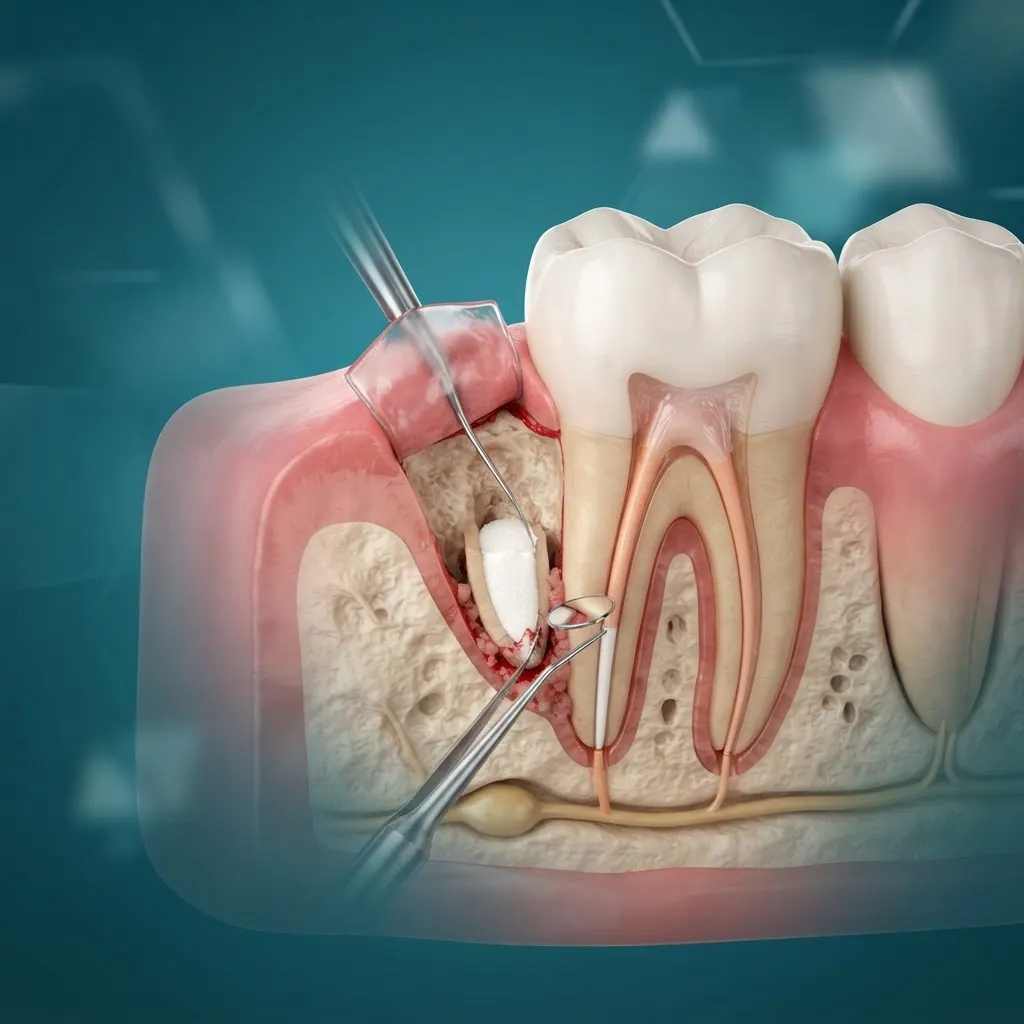
Endodontic surgery in India is used to preserve selected teeth when infection or inflammation persists around a root despite previous root-canal treatment and nonsurgical retreatment is unsuitable or unlikely to resolve the problem. The most common procedure is apical surgery (apicoectomy), although other surgical endodontic techniques may be used according to the tooth, root anatomy and diagnosis.
Assessment by an endodontist includes clinical examination, dental X-rays and CBCT when three-dimensional information about root anatomy, previous treatment or nearby structures is important. The clinician also checks whether the tooth is structurally restorable and whether periodontal disease, vertical root fracture or another condition would make surgery inappropriate. During apical surgery, diseased tissue around the root tip is removed, a small portion of the root end is resected and the canal is sealed from the root end.
Modern microsurgical approaches may use magnification, ultrasonic instruments and biocompatible root-end materials. Risks include postoperative pain or swelling, infection, damage to nearby nerves or sinus structures and failure to heal, which may ultimately require extraction. Surgery is not automatically preferable to nonsurgical root-canal retreatment; the best option depends on the cause of failure and long-term restorability.
Cost in India depends on the tooth involved, CBCT imaging, surgical complexity, microscope use, root-end materials, anaesthesia and any restorative treatment required. Specialist dental centres provide endodontists, dental microscopes, CBCT and restorative support. Medical Help India can connect international patients with a suitable dental healthcare partner to review X-rays and previous root-canal records, compare retreatment and surgery and obtain an individual estimate.
What's Included
Why consider treatment in India?
Access to experienced specialists
Advanced treatment and diagnostic options
More affordable hospital care
Shorter waiting times for treatment
Help comparing hospitals, plans and costs
Support with appointments, travel and follow-up
Cost in India
USDFinal costs depend on the medical assessment, hospital, room category and clinical needs.
How it works
Share your details
Tell us about your health concerns, age and current location.
Receive a call
We call you to discuss your situation, needs and questions.
Receive a treatment plan
Get information about the most suitable treatment plan, hospital and estimated cost.
Choose your plan
Review the options and agree on your care and travel plan.
Get full support
Receive full support throughout every stage of your care journey.
Receive care in India
Receive your planned care with support throughout your stay.
Top Doctors for Endodontic Surgery
View All Doctors →
Frequently Asked Questions
How much does Endodontic Surgery cost in India?
The cost of Endodontic Surgery in India depends on the hospital, specialist team, investigations, treatment complexity and any additional care required. A final estimate is usually prepared after a healthcare provider reviews your medical records.
Which medical reports are useful to have ready for Endodontic Surgery?
Have ready: the most recent records you have, such as your diagnosis, doctor’s notes, blood tests, imaging, pathology reports, procedure reports and current medication list. The exact documents needed depend on the treatment and your medical history.
When is endodontic surgery considered?
It may be considered when persistent disease around a tooth root cannot be adequately managed by conventional root-canal treatment or nonsurgical retreatment.
What happens during an apicoectomy?
The clinician removes diseased tissue around the root tip, resects a small portion of the root end and usually places a root-end seal.
Is surgery always better than root-canal retreatment?
No. The choice depends on the existing restoration, canal anatomy, cause of failure, periodontal condition and whether the tooth is predictably restorable.

Our services are FREE
We connect you with leading hospitals and specialists in India. You pay the hospital directly.