
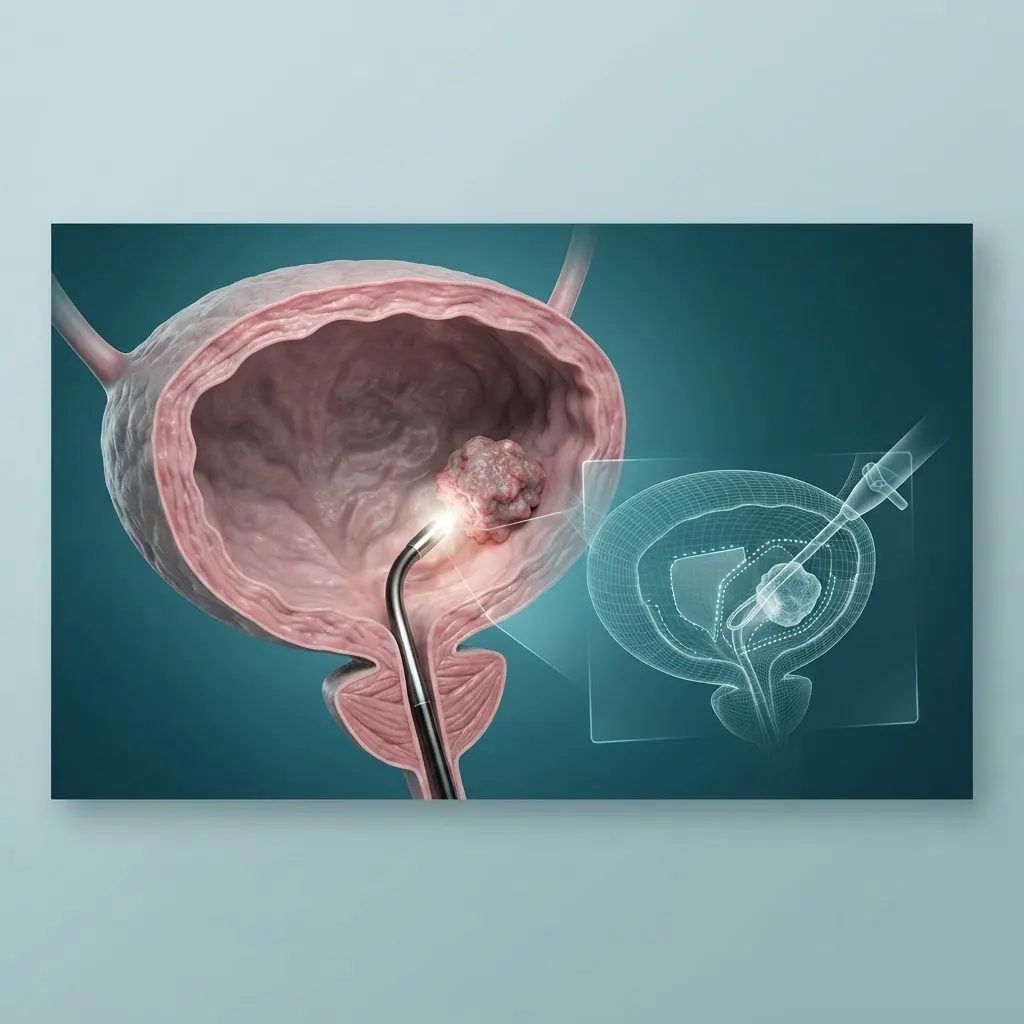
Endoscopic Management of Bladder Tumors
Endoscopic bladder tumour treatment in India, usually TURBT, with cystoscopy, pathology-based staging and uro-oncology planning for repeat resection or further therapy when required.
Related Conditions
Our services are FREE and by using our services your hospital bill does not increase!
About Endoscopic Management of Bladder Tumors
Endoscopic management of bladder tumours in India usually refers to transurethral resection of bladder tumour (TURBT), the standard endoscopic procedure used to remove visible bladder lesions and obtain tissue for diagnosis and staging. It is commonly the first operative step when cystoscopy identifies a suspicious bladder tumour and helps determine whether disease is non-muscle-invasive or requires more extensive treatment.
Assessment usually includes urology or uro-oncology review, cystoscopy, urine testing and upper-urinary-tract imaging when indicated. TURBT is performed under anaesthesia. The surgeon aims to remove visible tumour and obtain adequate tissue, including detrusor muscle when clinically appropriate, because pathology grade and depth of invasion strongly influence the next step. Selected patients need repeat TURBT, intravesical BCG or chemotherapy; muscle-invasive disease may require systemic therapy, radical cystectomy or bladder-preserving chemoradiation.
Risks include bleeding, urinary infection, bladder perforation and the need for repeat procedures. Heavy bleeding with clots, inability to pass urine, fever or systemic illness after TURBT requires urgent medical assessment. Follow-up cystoscopy is important because non-muscle-invasive bladder cancer can recur.
The cost of TURBT in India depends on cystoscopy and imaging, anaesthesia, operating-room charges, pathology, hospital stay, repeat resection and any subsequent intravesical or cancer treatment. India has tertiary hospitals with uro-oncology, endoscopic resection, specialist pathology and multidisciplinary bladder-cancer services.
Medical Help India can connect you with a suitable healthcare partner whose team can review cystoscopy, imaging and pathology, clarify whether TURBT or further bladder-cancer treatment is appropriate and provide an individual estimate.
What's Included
Why consider treatment in India?
Access to experienced specialists
Advanced treatment and diagnostic options
More affordable hospital care
Shorter waiting times for treatment
Help comparing hospitals, plans and costs
Support with appointments, travel and follow-up
Cost in India
USDFinal costs depend on the medical assessment, hospital, room category and clinical needs.
How it works
Share your details
Tell us about your health concerns, age and current location.
Receive a call
We call you to discuss your situation, needs and questions.
Receive a treatment plan
Get information about the most suitable treatment plan, hospital and estimated cost.
Choose your plan
Review the options and agree on your care and travel plan.
Get full support
Receive full support throughout every stage of your care journey.
Receive care in India
Receive your planned care with support throughout your stay.
Top Hospitals for Endoscopic Management of Bladder Tumors
View All Hospitals →
Top Doctors for Endoscopic Management of Bladder Tumors
View All Doctors →
Frequently Asked Questions
How much does Endoscopic Management Of Bladder Tumors cost in India?
Cost depends on TURBT complexity, cystoscopy and imaging, anaesthesia, operating-room charges, pathology, hospital stay and whether repeat resection or intravesical treatment is required. A straightforward diagnostic TURBT and repeat resection for high-risk or extensive disease can have different estimates.
Which medical reports are useful to have ready for Endoscopic Management Of Bladder Tumors?
Have ready: cystoscopy reports, CT or ultrasound of the urinary tract when available, urine-test results and uro-oncology notes. Include TURBT operative and pathology reports, especially tumour grade, stage and whether detrusor muscle was present, plus previous BCG or intravesical chemotherapy records and current medicines.
What is TURBT?
Transurethral resection of bladder tumour is an endoscopic procedure used to remove visible bladder lesions and obtain tissue for diagnosis and staging.
Why is pathology important after TURBT?
The pathology report determines tumour type, grade and depth of invasion and guides whether repeat TURBT, intravesical therapy or more advanced treatment is needed.
Is bladder tumour treatment a nephrology procedure?
No. Bladder tumours are primarily managed by urology and uro-oncology teams, with oncology involvement depending on stage and pathology.
Our services are FREE
We connect you with leading hospitals and specialists in India. You pay the hospital directly.