
Epilepsy Management
Epilepsy management in India with neurologist-led seizure classification, EEG, epilepsy-protocol MRI, medication optimisation and advanced centre evaluation when needed.
Related Conditions
Our services are FREE and by using our services your hospital bill does not increase!
About Epilepsy Management
Epilepsy management in India is led primarily by neurology and aims to classify seizures accurately, identify the epilepsy syndrome or cause, and achieve the best possible seizure control with acceptable side effects. Not every episode of loss of awareness, shaking or abnormal behaviour is epileptic, so diagnostic review is important.
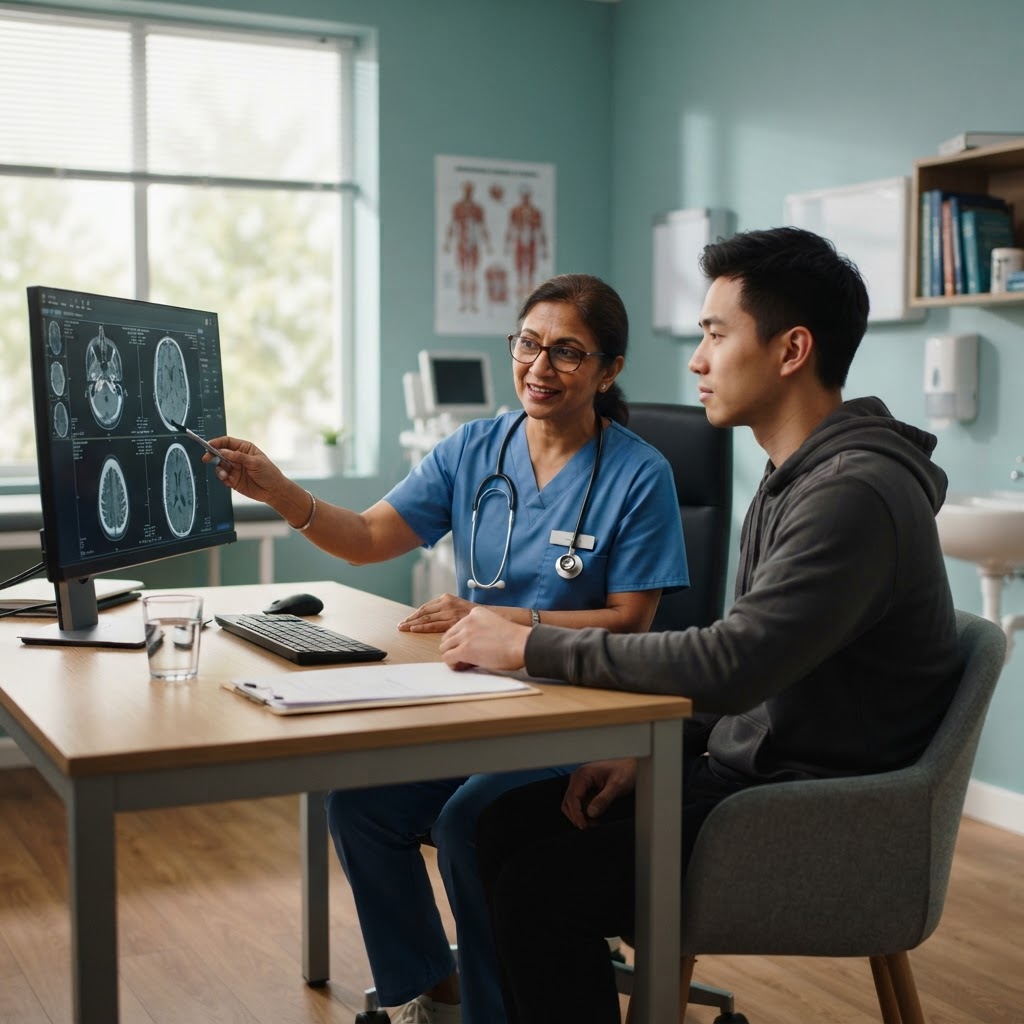
Evaluation may include detailed seizure history, eyewitness or video information, EEG and brain MRI using an epilepsy protocol when indicated. Anti-seizure medication is selected according to seizure type, age, comorbidities, pregnancy considerations, interactions and previous response. Persistent seizures despite appropriate medication trials may require prolonged video-EEG monitoring and comprehensive epilepsy-centre assessment.
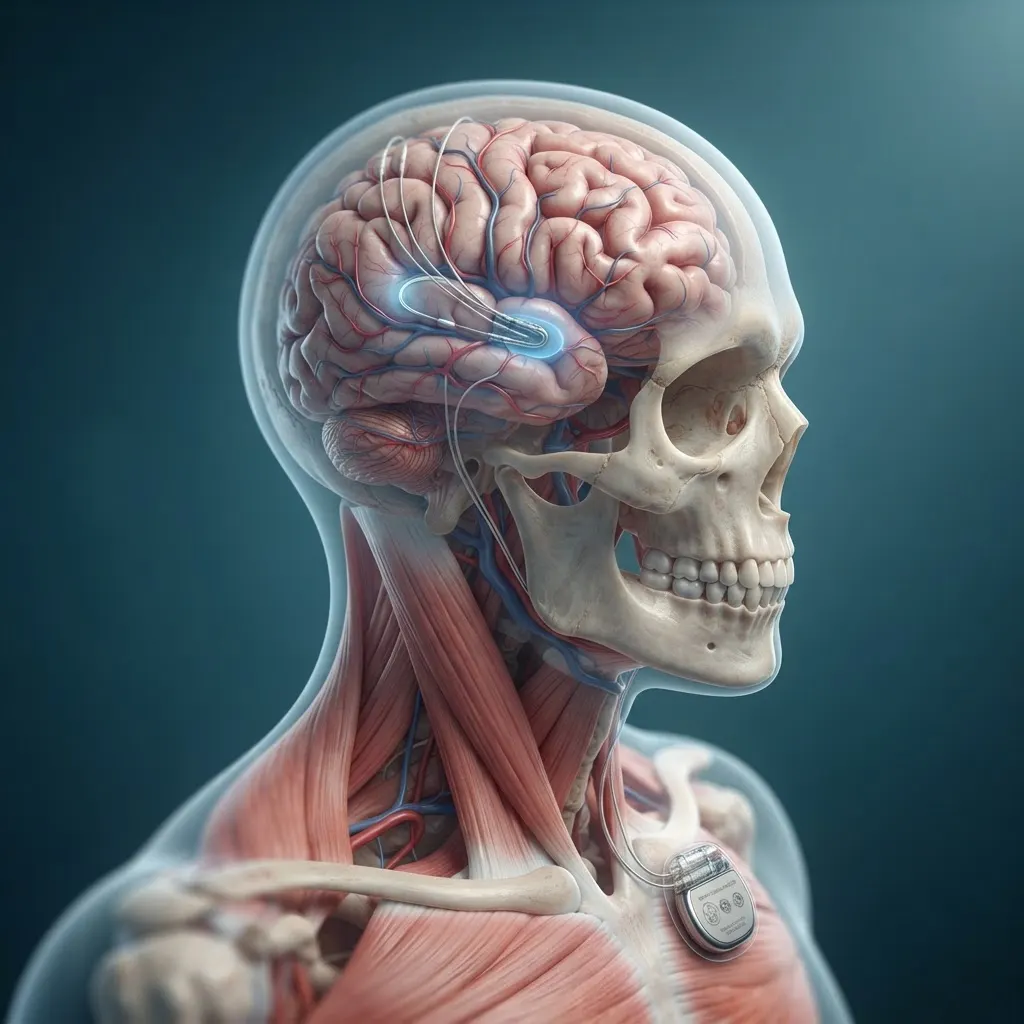
Drug-resistant focal epilepsy can sometimes be treated with resective or ablative surgery; selected patients may instead be considered for neuromodulation or dietary therapy. A seizure lasting about 5 minutes, repeated seizures without recovery, serious injury or breathing difficulty requires urgent local emergency care.
Cost in India depends on specialist consultations, EEG or video-EEG, epilepsy-protocol MRI, medicines and whether presurgical evaluation or neuromodulation is required. Tertiary neuroscience hospitals may provide epileptologists, video-EEG units, neuroimaging, neuropsychology and multidisciplinary epilepsy-surgery teams. Medical Help India can connect international patients with a suitable healthcare partner to review seizure records, compare treatment pathways and obtain an individual estimate.
What's Included
Why consider treatment in India?
Access to experienced specialists
Advanced treatment and diagnostic options
More affordable hospital care
Shorter waiting times for treatment
Help comparing hospitals, plans and costs
Support with appointments, travel and follow-up
Cost in India
USDFinal costs depend on the medical assessment, hospital, room category and clinical needs.
How it works
Share your details
Tell us about your health concerns, age and current location.
Receive a call
We call you to discuss your situation, needs and questions.
Receive a treatment plan
Get information about the most suitable treatment plan, hospital and estimated cost.
Choose your plan
Review the options and agree on your care and travel plan.
Get full support
Receive full support throughout every stage of your care journey.
Receive care in India
Receive your planned care with support throughout your stay.
Top Hospitals for Epilepsy Management
View All Hospitals →





Top Doctors for Epilepsy Management
View All Doctors →





Frequently Asked Questions
How much does Epilepsy Management cost in India?
Cost depends on neurology or epileptology consultations, routine or prolonged video-EEG, epilepsy-protocol MRI, medicines and whether neuropsychology, functional imaging, invasive monitoring, surgery or neuromodulation assessment is required. Drug-resistant epilepsy generally requires a more extensive evaluation than routine medication follow-up.
Which medical reports are useful to have ready for Epilepsy Management?
Have ready: a detailed seizure history, available seizure videos, current and previously tried anti-seizure medicines, EEG or video-EEG reports and epilepsy-protocol MRI images and report when available. Include previous admissions, neuropsychology or functional-imaging results and any prior epilepsy surgery or implanted-device records.
What tests are commonly used to evaluate epilepsy?
Evaluation may include detailed seizure history, EEG and brain MRI using an epilepsy protocol, with additional testing when the diagnosis or seizure origin remains unclear.
How is an anti-seizure medicine selected?
Selection depends on seizure type, epilepsy syndrome, age, sex, pregnancy considerations, other conditions, drug interactions and previous response.
When should epilepsy-surgery evaluation be considered?
Patients whose seizures continue despite appropriate trials of anti-seizure medicines may benefit from assessment at a comprehensive epilepsy centre.
Our services are FREE
We connect you with leading hospitals and specialists in India. You pay the hospital directly.