
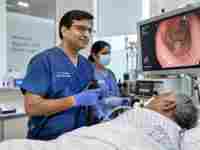
Endoscopic Submucosal Dissection (ESD)
Endoscopic submucosal dissection (ESD) in India for en-bloc removal of selected superficial oesophageal, gastric or colorectal neoplasms with detailed pathology assessment.
Related Conditions
Our services are FREE and by using our services your hospital bill does not increase!
About Endoscopic Submucosal Dissection (ESD)
Endoscopic submucosal dissection (ESD) in India is an advanced therapeutic endoscopy technique used to remove selected superficial gastrointestinal neoplasms in one piece while preserving the organ. It is most established for carefully staged lesions of the oesophagus, stomach and colorectum when endoscopic resection is expected to be oncologically appropriate and the risk of lymph-node spread is sufficiently low.
Before ESD, an advanced endoscopist reviews high-definition endoscopy, lesion morphology, biopsy pathology and evidence of invasion. Image-enhanced endoscopy, chromoendoscopy, EUS, CT or other staging may be added according to the organ and suspected depth. ESD is not simply chosen because a lesion is large: the team must judge whether en-bloc endoscopic removal can provide adequate treatment and reliable pathological staging.
During ESD, the lesion is marked, fluid is injected into the submucosal layer and specialised knives are used to dissect beneath it for en-bloc resection. This allows detailed assessment of lateral and deep margins, invasion depth and other high-risk pathological features. Important risks include bleeding, perforation and site-specific stricture, and final pathology may show that additional surgery or oncology treatment is still required.
The cost of ESD in India depends on lesion location and size, procedural complexity and duration, anaesthesia, endoscopic knives and haemostatic or closure devices, pathology and hospital observation or admission. Management of complications or subsequent surgery is separate from the initial ESD estimate.
India offers tertiary gastroenterology and cancer centres with advanced therapeutic endoscopists, high-definition imaging, specialist GI pathology, anaesthesia and surgical backup. Medical Help India can connect international patients with a suitable healthcare partner whose team can review endoscopy, biopsy and staging records, assess ESD eligibility and provide an individual treatment estimate.
What's Included
Why consider treatment in India?
Access to experienced specialists
Advanced treatment and diagnostic options
More affordable hospital care
Shorter waiting times for treatment
Help comparing hospitals, plans and costs
Support with appointments, travel and follow-up
Cost in India
USDFinal costs depend on the medical assessment, hospital, room category and clinical needs.
How it works
Share your details
Tell us about your health concerns, age and current location.
Receive a call
We call you to discuss your situation, needs and questions.
Receive a treatment plan
Get information about the most suitable treatment plan, hospital and estimated cost.
Choose your plan
Review the options and agree on your care and travel plan.
Get full support
Receive full support throughout every stage of your care journey.
Receive care in India
Receive your planned care with support throughout your stay.
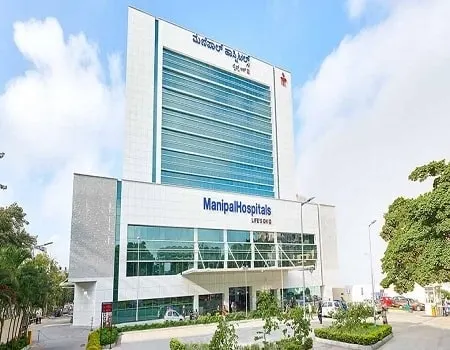
Top Hospitals for Endoscopic Submucosal Dissection (ESD)
View All Hospitals →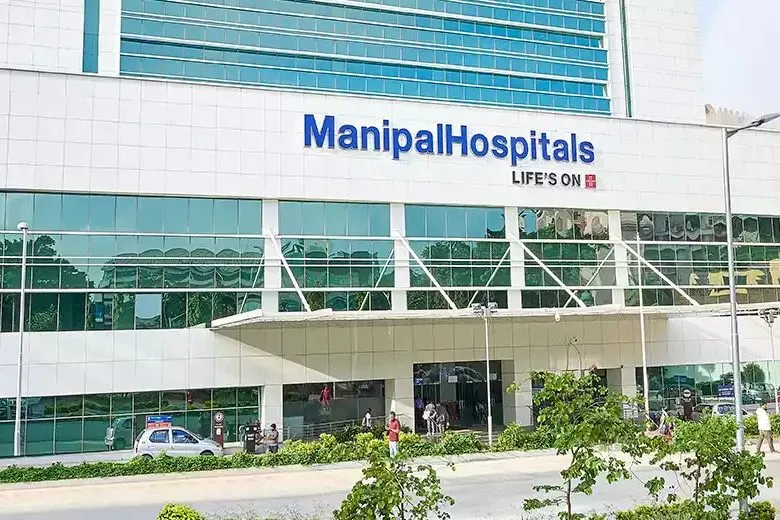

Top Doctors for Endoscopic Submucosal Dissection (ESD)
View All Doctors →



Frequently Asked Questions
How much does Endoscopic Submucosal Dissection (ESD) cost in India?
Cost depends on lesion location and size, procedural complexity and duration, anaesthesia, ESD knives and closure or haemostatic devices, pathology and hospital observation. Additional surgery or treatment required after non-curative pathology is separate.
Which medical reports are useful to have ready for Endoscopic Submucosal Dissection (ESD)?
Have ready: high-quality endoscopy reports and images, biopsy pathology, EUS or CT staging when already performed and previous resection records. The advanced-endoscopy team needs lesion location, size, morphology and suspected invasion depth to assess whether ESD is appropriate.
What is the advantage of ESD?
ESD can remove selected superficial gastrointestinal lesions in one piece, allowing detailed pathological assessment of margins and depth of invasion.
Which lesions may be suitable for ESD?
Carefully staged superficial neoplasms of the oesophagus, stomach or colorectum may be suitable when the expected lymph-node metastasis risk is sufficiently low.
Can surgery still be needed after ESD?
Yes. If pathology shows non-curative features such as deeper invasion or other high-risk findings, additional surgery or oncology treatment may be recommended.
Our services are FREE
We connect you with leading hospitals and specialists in India. You pay the hospital directly.