
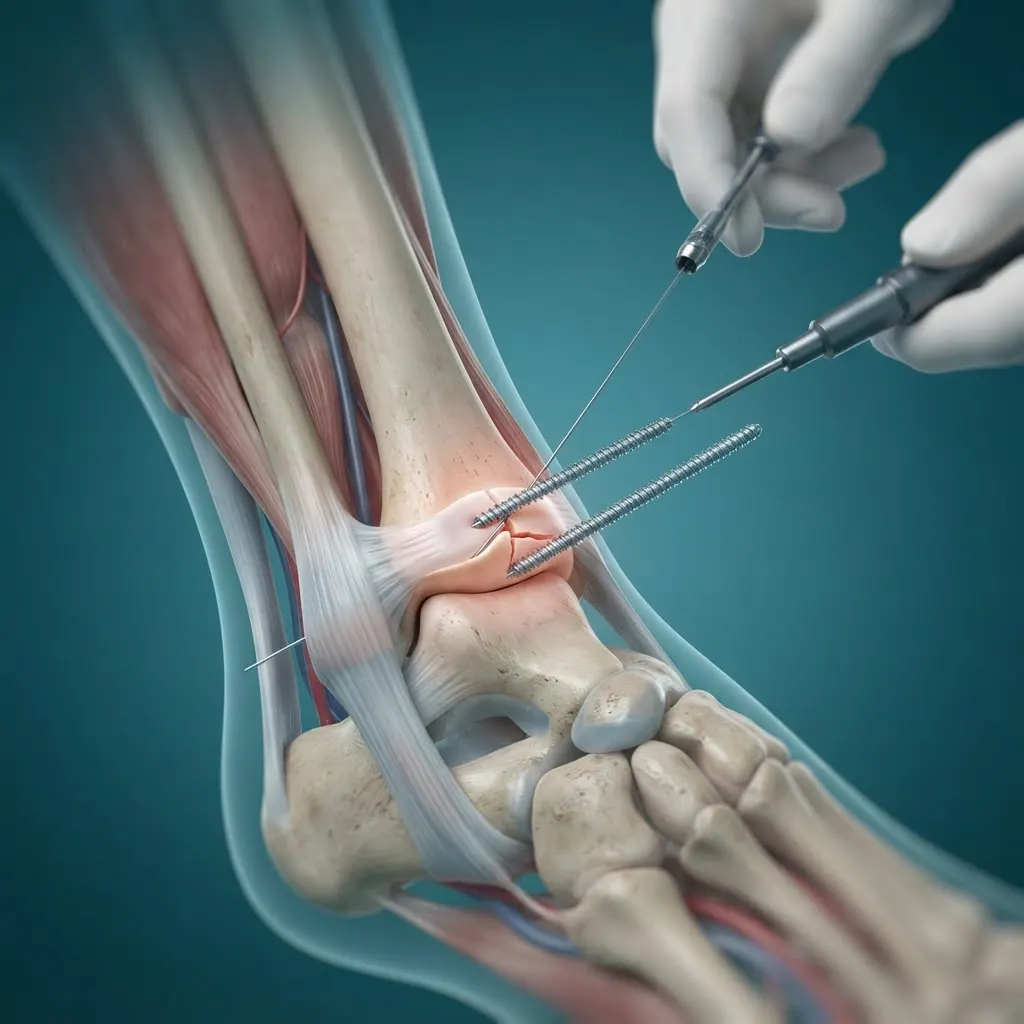
Growth Plate Injury Management
Growth plate injury treatment in India with paediatric orthopaedic assessment, fracture stabilization and long-term monitoring for growth arrest, angular deformity or limb-length difference.
Related Conditions
Our services are FREE and by using our services your hospital bill does not increase!
About Growth Plate Injury Management
Growth plate injury management in India focuses on fractures and other injuries involving the physis, the area of developing bone responsible for longitudinal growth in children and adolescents. Treatment aims not only to heal the immediate injury but also to preserve alignment and reduce the risk of later growth arrest, angular deformity or limb-length discrepancy.
Assessment is led by a paediatric orthopaedic or trauma specialist and usually includes examination and X-rays of the injured bone and adjacent joint. CT may be required for complex intra-articular fracture patterns, while MRI can help when a physeal injury is suspected despite inconclusive X-rays or when cartilage and soft-tissue detail is important. The child’s age, remaining growth, displacement and Salter-Harris or other fracture pattern influence treatment.
Stable, well-aligned injuries may be managed with a cast or splint and repeat imaging. Displaced injuries may need careful closed reduction, percutaneous fixation or, in selected cases, open reduction to restore the growth plate and joint surface. Repeated forceful manipulation should be avoided because additional physeal injury can increase the risk of growth disturbance. Open fractures, loss of circulation or sensation, severe increasing pain or swelling, or suspected compartment syndrome require urgent local trauma assessment rather than planned medical travel.
Follow-up can continue after the fracture has united because growth disturbance may become visible only later. Serial clinical measurements and X-rays may be needed, especially after higher-risk injuries. If a growth arrest develops, treatment options can include observation, physeal-bar resection in selected children, guided growth, epiphysiodesis or corrective osteotomy depending on remaining growth and deformity.
Cost in India depends on the fracture site and complexity, X-ray/CT/MRI requirements, casting versus fixation, implants, paediatric anaesthesia, hospital stay, follow-up imaging and any later deformity-correction procedure. Major tertiary paediatric orthopaedic centres in India can provide trauma surgery, paediatric imaging, growth and alignment monitoring and limb-reconstruction expertise. Medical Help India can connect international families with an appropriate healthcare partner to review imaging and injury records, assess the risk of growth disturbance and provide an individual treatment and follow-up estimate.
What's Included
Why consider treatment in India?
Access to experienced specialists
Advanced treatment and diagnostic options
More affordable hospital care
Shorter waiting times for treatment
Help comparing hospitals, plans and costs
Support with appointments, travel and follow-up
Cost in India
USDFinal costs depend on the medical assessment, hospital, room category and clinical needs.
How it works
Share your details
Tell us about your health concerns, age and current location.
Receive a call
We call you to discuss your situation, needs and questions.
Receive a treatment plan
Get information about the most suitable treatment plan, hospital and estimated cost.
Choose your plan
Review the options and agree on your care and travel plan.
Get full support
Receive full support throughout every stage of your care journey.
Receive care in India
Receive your planned care with support throughout your stay.
Top Hospitals for Growth Plate Injury Management
View All Hospitals →
Top Doctors for Growth Plate Injury Management
View All Doctors →
Frequently Asked Questions
How much does Growth Plate Injury Management cost in India?
Cost depends on the injured bone and fracture complexity, X-ray, CT or MRI requirements, casting versus reduction and fixation, implants, paediatric anaesthesia, hospital stay, follow-up imaging and whether later treatment for growth arrest or deformity becomes necessary. Higher-risk physeal fractures can require surveillance after the initial fracture has healed.
Which medical reports are useful to have ready for Growth Plate Injury Management?
Have ready: current X-rays and any CT or MRI, paediatric orthopaedic or trauma notes and records from reduction, casting or previous fixation. Include the child’s age, injury date, fracture classification if known, whether the injury was open, current cast or implant details and any later alignment, limb-length, circulation or sensation concerns.
Why are growth plate injuries different from adult fractures?
The growth plate contributes to bone growth, so some injuries can later cause growth arrest, limb-length difference or angular deformity.
Does every growth plate injury need surgery?
No. Stable injuries may be immobilised, while displaced or unstable fractures may require reduction and sometimes fixation.
Is follow-up needed after the fracture heals?
Often yes. Selected injuries need later clinical and X-ray monitoring to make sure growth continues normally.
Our services are FREE
We connect you with leading hospitals and specialists in India. You pay the hospital directly.