
Guided Growth Procedures
Guided growth in India for selected childhood angular limb deformities, using temporary growth-plate modulation with standing alignment imaging and regular correction monitoring.
Related Conditions
Our services are FREE and by using our services your hospital bill does not increase!
About Guided Growth Procedures
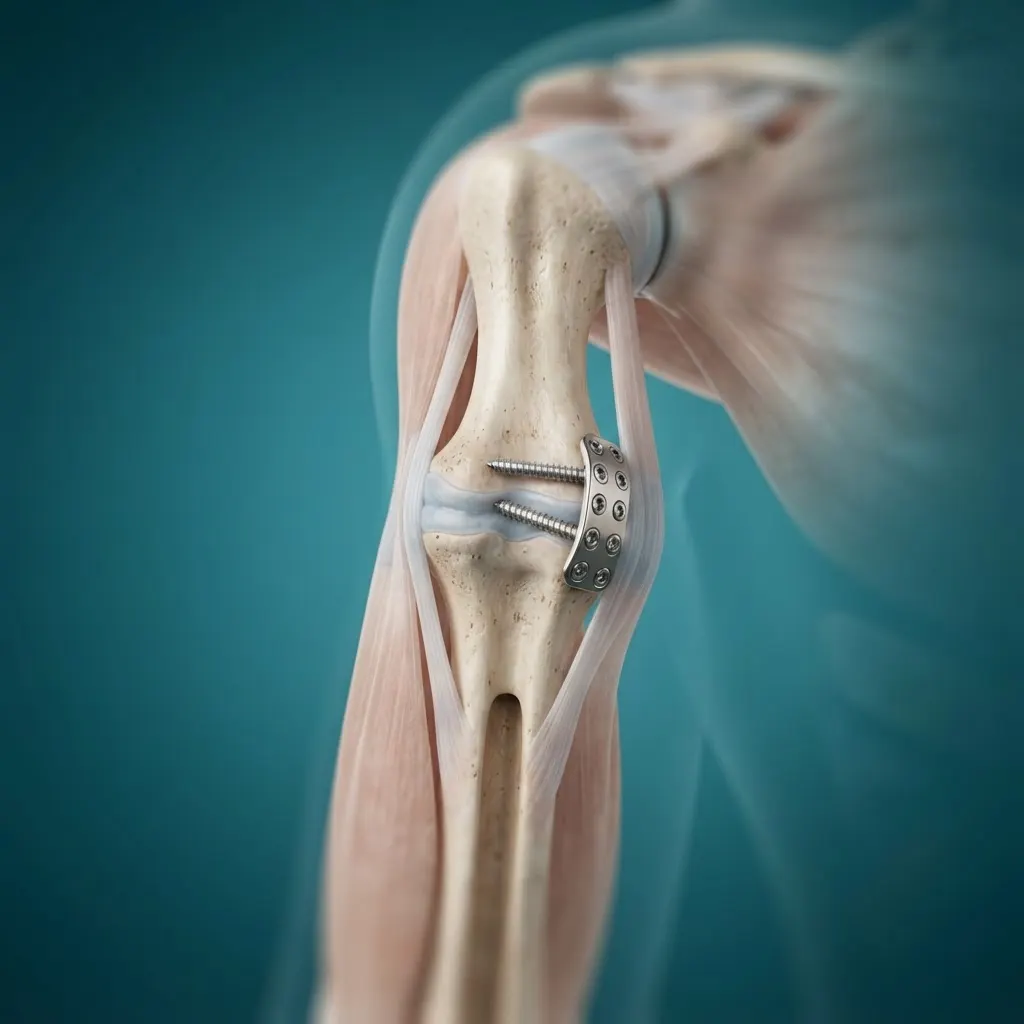
Guided growth procedures in India are paediatric orthopaedic operations that use a child’s remaining skeletal growth to gradually correct selected angular limb deformities, most commonly genu valgum (knock knees) or genu varum (bow legs). Instead of making an immediate bone cut, temporary hemiepiphysiodesis slows growth on one side of a growth plate so the opposite side can continue growing and progressively improve alignment.
Planning requires a paediatric limb-deformity assessment with standing full-length alignment X-rays, identification of the bone and growth plate responsible for the deformity and an estimate of remaining growth. The surgeon also considers the underlying diagnosis because idiopathic deformity, skeletal dysplasia, metabolic bone disease and deformity after trauma or growth-plate injury can behave differently. Guided growth is most useful when sufficient growth remains for gradual correction.
Small plates and screws or other growth-modulating implants may be positioned across one side of the physis. Correction occurs over months rather than immediately, so regular clinical review and standing radiographs are essential. Timing matters: if treatment is started too late, correction may be incomplete; if the tether remains after the target alignment is reached, over-correction can occur. Some children also develop rebound deformity after implant removal and therefore need continued growth surveillance.
Guided growth is not suitable for every deformity. Severe, rigid or multiplanar deformity, very limited remaining growth or certain rotational and length problems may require corrective osteotomy or another reconstruction instead. Risks include infection, implant irritation or breakage, incomplete correction, over-correction and recurrent deformity.
Cost in India depends on the number of growth plates treated, standing imaging and follow-up frequency, implant type, paediatric anaesthesia, hospital or day-care charges, implant removal and whether additional deformity procedures are required. Tertiary paediatric orthopaedic and limb-reconstruction centres in India can provide growth assessment, deformity analysis, modern fixation systems and long-term alignment monitoring. Medical Help India can connect international families with an appropriate healthcare partner to review standing X-rays and growth potential, compare guided growth with osteotomy or observation and obtain an individual treatment estimate.
What's Included
Why consider treatment in India?
Access to experienced specialists
Advanced treatment and diagnostic options
More affordable hospital care
Shorter waiting times for treatment
Help comparing hospitals, plans and costs
Support with appointments, travel and follow-up
Cost in India
USDFinal costs depend on the medical assessment, hospital, room category and clinical needs.
How it works
Share your details
Tell us about your health concerns, age and current location.
Receive a call
We call you to discuss your situation, needs and questions.
Receive a treatment plan
Get information about the most suitable treatment plan, hospital and estimated cost.
Choose your plan
Review the options and agree on your care and travel plan.
Get full support
Receive full support throughout every stage of your care journey.
Receive care in India
Receive your planned care with support throughout your stay.
Top Hospitals for Guided Growth Procedures
View All Hospitals →
Top Doctors for Guided Growth Procedures
View All Doctors →
Frequently Asked Questions
How much does Guided Growth Procedures cost in India?
Cost depends on the number and location of growth plates treated, standing alignment imaging, implant type, paediatric anaesthesia, day-care or hospital charges, frequency of follow-up X-rays and later implant removal. Additional osteotomy or deformity reconstruction, if required, is a separate cost pathway.
Which medical reports are useful to have ready for Guided Growth Procedures?
Have ready: standing full-length alignment X-rays, paediatric orthopaedic or limb-deformity notes and previous growth or skeletal-maturity assessments. Include the child’s age, diagnosis, progression of the deformity, any prior growth-plate injury or surgery, previous bracing or therapy and earlier guided-growth implants if present.
What deformities can guided growth correct?
It is commonly used for selected angular deformities such as knock knees or bow legs in children who still have sufficient growth remaining.
How does guided growth work?
Temporary implants slow growth on one side of a growth plate so continued growth can gradually improve limb alignment.
Why is timing important?
Too little remaining growth may limit correction, while continued tethering after correction can cause over-correction, so regular follow-up is important.
Our services are FREE
We connect you with leading hospitals and specialists in India. You pay the hospital directly.