
GVHD Prevention and Management
GVHD prevention and treatment in India after allogeneic stem-cell transplant, with transplant-specific prophylaxis, organ assessment, immunosuppressive therapy and infection monitoring.
Related Conditions
Our services are FREE and by using our services your hospital bill does not increase!
About GVHD Prevention and Management
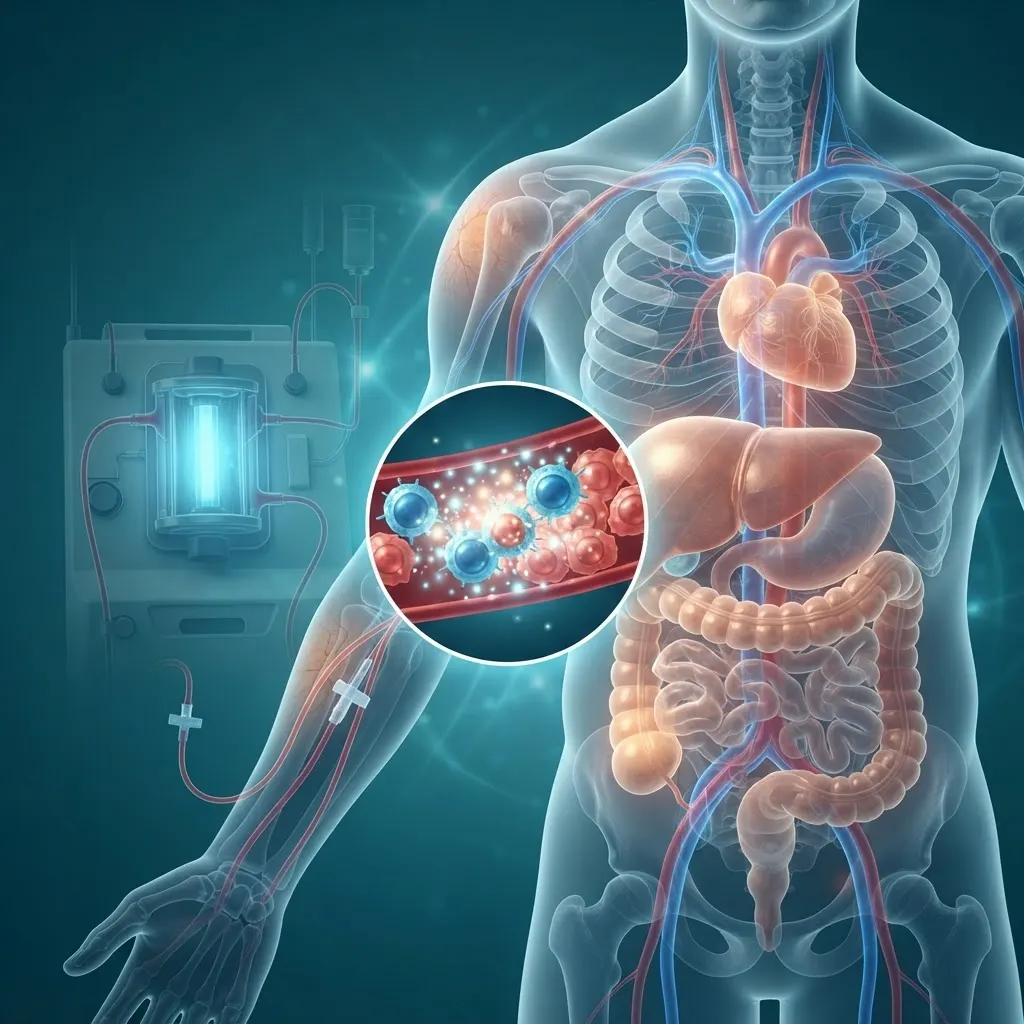
Graft-versus-host disease (GVHD) prevention and management in India is a central part of care after allogeneic haematopoietic stem-cell transplantation. GVHD occurs when donor immune cells attack recipient tissues and can affect the skin, gastrointestinal tract, liver, eyes, mouth, lungs and other organs. Prevention and treatment depend on donor type, conditioning regimen, transplant platform, severity and which organs are involved.
Prevention begins before and immediately after transplantation. The transplant team selects a GVHD-prophylaxis strategy that may include a calcineurin inhibitor, methotrexate, post-transplant cyclophosphamide (PTCy), mycophenolate or another protocol according to the donor and graft source. Close monitoring continues after discharge because acute and chronic GVHD can appear at different stages of immune recovery.
When GVHD is suspected, specialists assess symptoms, blood tests and organ-specific findings; skin, gastrointestinal, liver, lung or other testing may be required to confirm the diagnosis and exclude infection or medication toxicity. Systemic corticosteroids are commonly used for clinically significant acute GVHD, while steroid-refractory or chronic disease may require additional immunomodulatory therapy and organ-specific supportive treatment. Management often involves transplant haematology together with dermatology, gastroenterology, hepatology, pulmonology, ophthalmology or rehabilitation depending on the organs affected.
Treatment itself increases susceptibility to infection, so antimicrobial prophylaxis, viral surveillance, vaccination planning and monitoring for medication toxicity remain important. Fever during significant immunosuppression, severe diarrhoea, jaundice, new breathlessness, rapidly spreading rash, confusion or sudden clinical deterioration requires urgent local transplant or emergency assessment rather than delayed medical travel.
Cost in India depends on the transplant platform, frequency of specialist review and laboratory monitoring, immunosuppressive medicines, infection prophylaxis and viral testing, organ-specific investigations, infusion or day-care treatment and whether hospital or ICU admission is required. Steroid-refractory GVHD requiring advanced medicines can have a very different cost profile from routine prophylaxis. Major tertiary transplant centres in India provide dedicated allogeneic-transplant teams, infectious-disease and laboratory support and multidisciplinary management of complex GVHD. Medical Help India can connect medically stable international patients with an appropriate transplant healthcare partner to review the transplant summary, donor type, GVHD history and current treatment and provide an individual management and cost estimate.
What's Included
Why consider treatment in India?
Access to experienced specialists
Advanced treatment and diagnostic options
More affordable hospital care
Shorter waiting times for treatment
Help comparing hospitals, plans and costs
Support with appointments, travel and follow-up
Cost in India
USDFinal costs depend on the medical assessment, hospital, room category and clinical needs.
How it works
Share your details
Tell us about your health concerns, age and current location.
Receive a call
We call you to discuss your situation, needs and questions.
Receive a treatment plan
Get information about the most suitable treatment plan, hospital and estimated cost.
Choose your plan
Review the options and agree on your care and travel plan.
Get full support
Receive full support throughout every stage of your care journey.
Receive care in India
Receive your planned care with support throughout your stay.
Frequently Asked Questions
How much does GVHD Prevention and Management cost in India?
Cost depends on the transplant platform, intensity of specialist and laboratory monitoring, immunosuppressive medicines, antimicrobial prophylaxis and viral surveillance, organ-specific investigations, infusion or day-care treatment and whether hospital or ICU admission is required. Steroid-refractory or multi-organ GVHD can have a substantially different cost profile from routine prophylaxis or stable outpatient follow-up.
Which medical reports are useful to have ready for GVHD Prevention and Management?
Have ready: the transplant summary with diagnosis, transplant date, donor and graft type, conditioning and GVHD-prophylaxis regimen, plus recent blood counts and liver and kidney tests. Include current immunosuppressive and antimicrobial medicines, GVHD biopsy or organ-assessment results, infection or viral-monitoring records and details of skin, gastrointestinal, liver, eye, mouth or lung symptoms.
What is graft-versus-host disease?
GVHD is a complication of allogeneic stem-cell transplantation in which donor immune cells attack recipient tissues such as skin, gut or liver.
How is GVHD prevented?
Prevention uses transplant-specific immune-suppression strategies based on donor type, conditioning and the centre’s protocol.
How is established GVHD treated?
Treatment depends on whether it is acute or chronic, severity and organs involved and may include corticosteroids, other immune-modifying therapies and supportive care.

Our services are FREE
We connect you with leading hospitals and specialists in India. You pay the hospital directly.