
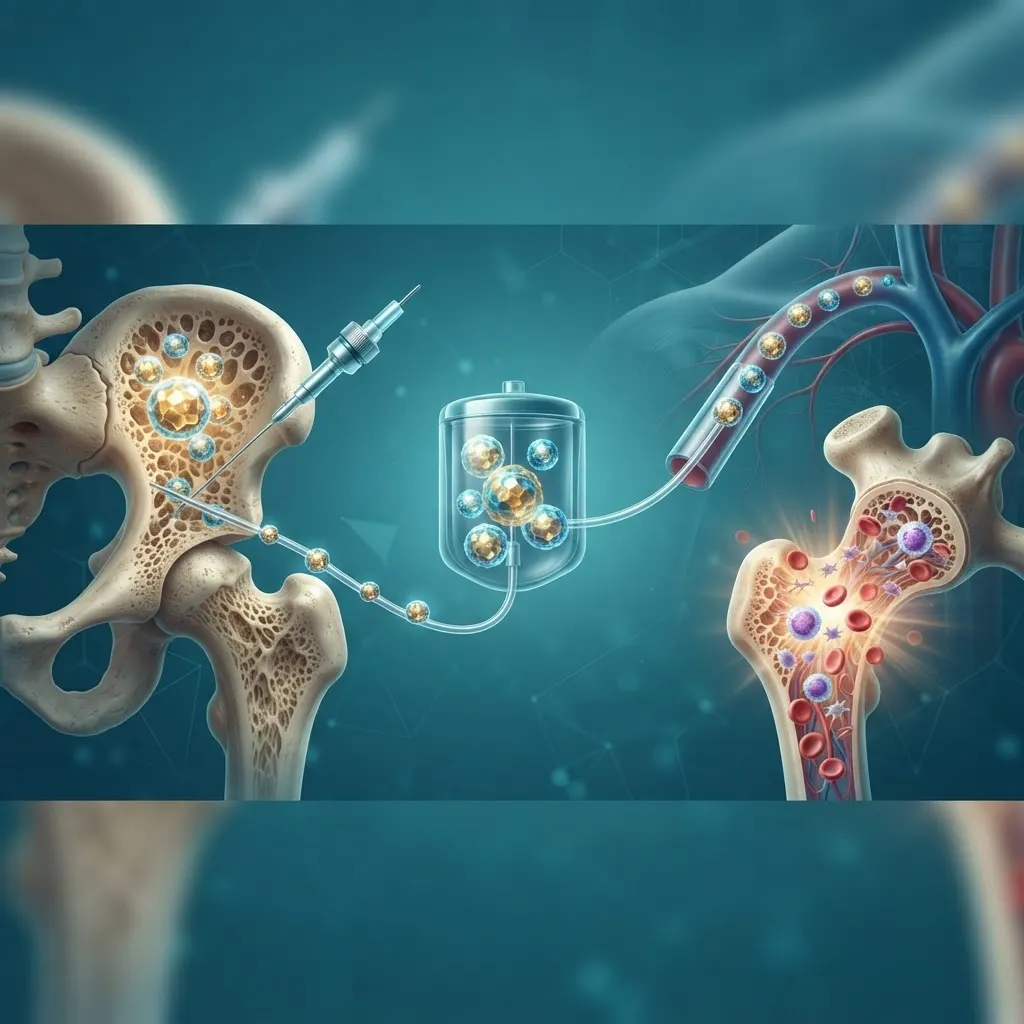
Hematopoietic Stem Cell Transplantation
HSCT in India with haematology assessment, autologous or allogeneic transplant planning, conditioning, stem-cell infusion and specialist infection and graft monitoring.
Related Conditions
Our services are FREE and by using our services your hospital bill does not increase!
About Hematopoietic Stem Cell Transplantation
Hematopoietic stem cell transplantation (HSCT) in India is used for selected blood cancers, bone-marrow failure syndromes, immune disorders and other haematological conditions. Depending on the diagnosis, transplantation may use the patient’s own stem cells (autologous HSCT) or stem cells from a donor (allogeneic HSCT), and these pathways differ substantially in preparation, risks and follow-up.
Before transplant, patients undergo a detailed haematology and transplant assessment including disease-status review, organ-function testing, infection screening and evaluation of previous treatment. Allogeneic HSCT also requires donor identification, high-resolution HLA matching and assessment of donor suitability. The transplant team decides whether transplantation is appropriate now, whether further disease control is needed first and which conditioning intensity is safest.
Treatment usually involves conditioning therapy, stem-cell infusion and close monitoring during marrow and immune recovery. Important risks include severe infection, bleeding, organ toxicity and graft failure; allogeneic HSCT can additionally cause acute or chronic graft-versus-host disease. Fever or other signs of serious infection during transplant recovery require urgent assessment because immune suppression can make infections progress quickly.
Cost in India depends on autologous versus allogeneic transplant, donor work-up and HLA testing, conditioning medicines, stem-cell collection, protective isolation, blood products, antimicrobial support, length of admission and treatment of complications. India has tertiary transplant centres with haematologists, apheresis, transfusion support, specialist laboratories and infection-control facilities. Medical Help India can connect patients with an appropriate healthcare partner in India to review pathology, disease status and donor information, explain transplant options and provide an individual estimate.
What's Included
Why consider treatment in India?
Access to experienced specialists
Advanced treatment and diagnostic options
More affordable hospital care
Shorter waiting times for treatment
Help comparing hospitals, plans and costs
Support with appointments, travel and follow-up
Cost in India
USDFinal costs depend on the medical assessment, hospital, room category and clinical needs.
How it works
Share your details
Tell us about your health concerns, age and current location.
Receive a call
We call you to discuss your situation, needs and questions.
Receive a treatment plan
Get information about the most suitable treatment plan, hospital and estimated cost.
Choose your plan
Review the options and agree on your care and travel plan.
Get full support
Receive full support throughout every stage of your care journey.
Receive care in India
Receive your planned care with support throughout your stay.
Top Hospitals for Hematopoietic Stem Cell Transplantation
View All Hospitals →




Top Doctors for Hematopoietic Stem Cell Transplantation
View All Doctors →
Dr. Tufan Kanti Dolai
Clinical Haematology · 25+ yrs

Dr. Santanu Basu
Haematology & Stem Cell Transplant · 36+ yrs

Dr. S.V.S.S Prasad
Oncology: Medical Oncology · 26+ yrs

Dr. Rakesh Ojha
Hemato-Oncology & Haematology · 20+ yrs
Dr. Nitin Sood
Haematology, Haemato-Oncology & Bone Marrow Transplant

Dr. Mitu Shrikhande
Haematology, Hemato-Oncology & Bone Marrow Transplant · 24+ yrs
Frequently Asked Questions
How much does Hematopoietic Stem Cell Transplantation cost in India?
Cost depends on autologous versus allogeneic HSCT, donor work-up and HLA testing, conditioning medicines, stem-cell collection, protective isolation, blood products, antimicrobial support, hospital stay and treatment of complications. Allogeneic transplantation generally has additional donor, immune-monitoring and GVHD-related costs.
Which medical reports are useful to have ready for Hematopoietic Stem Cell Transplantation?
Have ready: pathology or bone-marrow reports confirming the diagnosis, disease-status testing, previous chemotherapy or radiotherapy summaries, recent blood counts and organ-function tests, infection screening and current medicines. For allogeneic HSCT include available HLA typing and donor information; for autologous HSCT include stem-cell collection records if already performed.
What is the difference between autologous and allogeneic HSCT?
Autologous HSCT uses the patient’s own stem cells, while allogeneic HSCT uses cells from a donor and carries different immune-related risks.
What happens before stem-cell infusion?
Patients undergo transplant assessment and conditioning treatment, while allogeneic cases also require donor selection and HLA matching.
What are important risks after HSCT?
Risks can include infection, organ toxicity and graft failure, and allogeneic HSCT can also cause graft-versus-host disease.

Our services are FREE
We connect you with leading hospitals and specialists in India. You pay the hospital directly.