
Hydrocephalus Surgery
Hydrocephalus surgery in India with neurosurgical imaging review and individualized shunt or endoscopic third ventriculostomy planning based on cause, age and anatomy.
Related Conditions
Our services are FREE and by using our services your hospital bill does not increase!
About Hydrocephalus Surgery
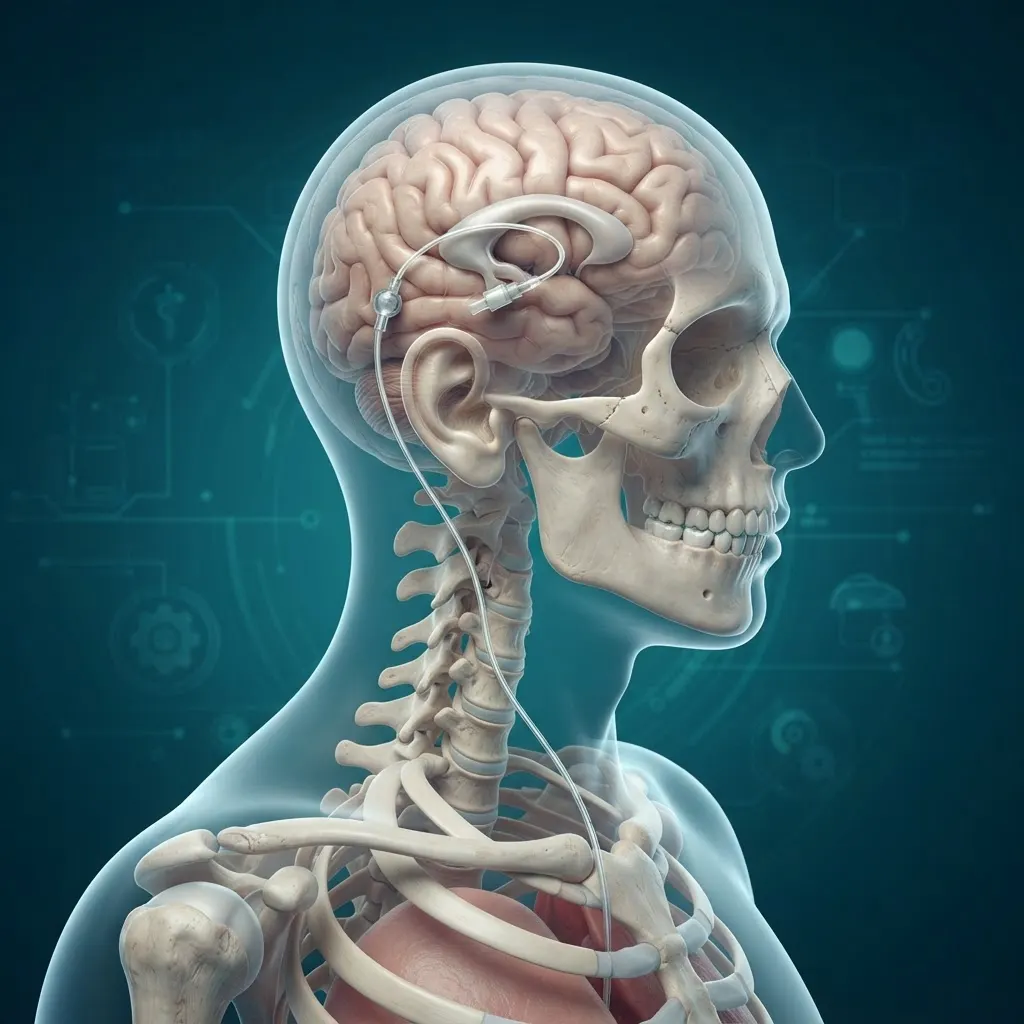
Hydrocephalus surgery in India is used when excess cerebrospinal fluid (CSF) causes ventricular enlargement, raised intracranial pressure or progressive neurological symptoms that require surgical diversion or restoration of CSF flow. The main operations are ventricular shunt placement and endoscopic third ventriculostomy (ETV), with the choice determined by the cause of hydrocephalus, age, ventricular anatomy and previous treatment.
Assessment is led by a neurosurgeon and usually includes CT or MRI brain imaging together with review of symptoms, neurological findings, previous haemorrhage or infection and any prior shunt or endoscopic surgery. In selected cases, additional CSF-flow imaging, ophthalmic assessment or intracranial-pressure information may help clarify the treatment plan.
A ventriculoperitoneal shunt diverts CSF through a catheter and valve system, most commonly to the abdomen. ETV creates an internal opening to bypass an obstructed CSF pathway and may avoid permanent implanted hardware in suitable patients. ETV is not appropriate for every type of hydrocephalus, and shunts remain necessary for many patients. Risks include bleeding, infection, shunt blockage or disconnection, over- or under-drainage and the need for revision surgery.
Severe or rapidly worsening headache, repeated vomiting, increasing drowsiness, seizures, new neurological deficits, loss of consciousness or suspected shunt malfunction requires urgent local neurosurgical assessment. Acute hydrocephalus should not be delayed for planned international travel.
The cost of hydrocephalus surgery in India depends on shunt versus ETV, shunt valve and device type, neuroendoscopy equipment, imaging, anaesthesia, hospital or ICU stay, revision surgery and treatment of infection or the underlying neurological condition.
Leading neuroscience centres in India provide adult and paediatric neurosurgeons, neuroendoscopy, advanced CT/MRI and neurocritical-care support. Medical Help India is a connection platform and can connect medically stable international patients with an appropriate healthcare partner to review imaging and prior procedures, compare shunt and ETV options and obtain an individual treatment and cost estimate.
What's Included
Why consider treatment in India?
Access to experienced specialists
Advanced treatment and diagnostic options
More affordable hospital care
Shorter waiting times for treatment
Help comparing hospitals, plans and costs
Support with appointments, travel and follow-up
Cost in India
USDFinal costs depend on the medical assessment, hospital, room category and clinical needs.
How it works
Share your details
Tell us about your health concerns, age and current location.
Receive a call
We call you to discuss your situation, needs and questions.
Receive a treatment plan
Get information about the most suitable treatment plan, hospital and estimated cost.
Choose your plan
Review the options and agree on your care and travel plan.
Get full support
Receive full support throughout every stage of your care journey.
Receive care in India
Receive your planned care with support throughout your stay.
Top Hospitals for Hydrocephalus Surgery
View All Hospitals →


Top Doctors for Hydrocephalus Surgery
View All Doctors →
Frequently Asked Questions
How much does Hydrocephalus Surgery cost in India?
Cost depends on ventricular shunt versus endoscopic third ventriculostomy, shunt valve and device type, neuroendoscopy equipment, imaging, anaesthesia, hospital or ICU stay and whether revision surgery or treatment of infection is required. The underlying neurological condition can also affect the admission and follow-up costs.
Which medical reports are useful to have ready for Hydrocephalus Surgery?
Have ready: recent brain CT or MRI images and reports, neurosurgical notes and records of any previous shunt, ETV or other brain surgery. Include the suspected cause of hydrocephalus, current neurological symptoms, prior infection or haemorrhage history, shunt type and revision history if applicable and any recent episodes of headache, vomiting, drowsiness, seizures or neurological deterioration.
What are the main surgical options for hydrocephalus?
The main options are ventricular shunt placement and endoscopic third ventriculostomy, depending on cause, anatomy and age.
Is ETV suitable for every patient?
No. Suitability depends on the type of hydrocephalus, ventricular anatomy and other clinical factors.
Does hydrocephalus surgery require long-term follow-up?
Yes. Shunts can malfunction or become infected, and even after ETV patients may need ongoing neurological follow-up.

Our services are FREE
We connect you with leading hospitals and specialists in India. You pay the hospital directly.