
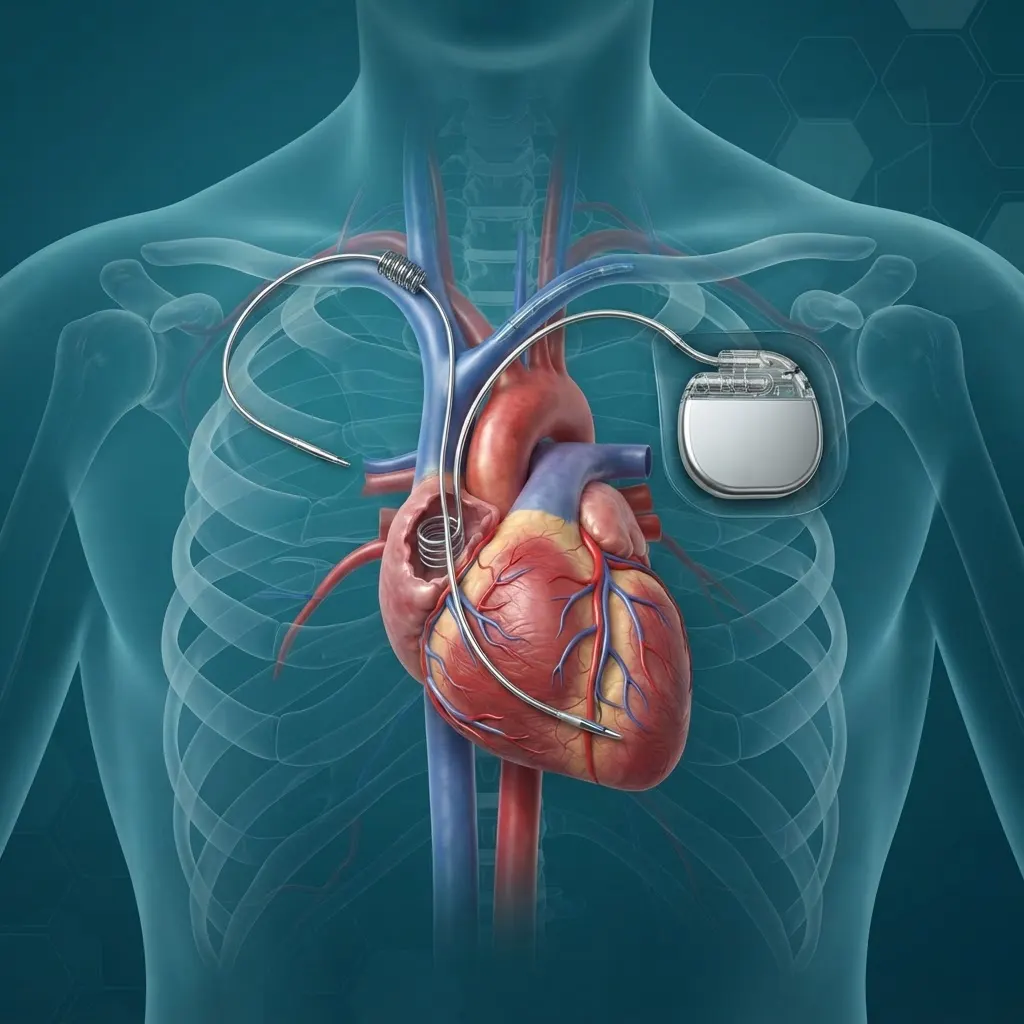
ICD Implantation
ICD implantation in India for selected patients at risk of life-threatening ventricular arrhythmias, with electrophysiology assessment, device selection and long-term programming follow-up.
Related Conditions
Our services are FREE and by using our services your hospital bill does not increase!
About ICD Implantation
Implantable cardioverter-defibrillator (ICD) implantation in India places a cardiac device that continuously monitors heart rhythm and can deliver antitachycardia pacing or a shock when selected life-threatening ventricular arrhythmias occur. ICDs may be used after a previous ventricular tachycardia or cardiac arrest, or for primary prevention in carefully selected patients whose heart disease creates a high risk of sudden cardiac death.
Before implantation, a cardiologist or electrophysiologist reviews the diagnosis, ECG and rhythm records, echocardiography, heart-failure treatment and reversible causes of arrhythmia. Depending on the indication, additional testing may include cardiac MRI, coronary assessment or electrophysiology review. The team also determines whether a transvenous ICD, subcutaneous ICD or a device with cardiac-resynchronisation capability is most appropriate.
ICD therapy requires long-term device follow-up. Important risks include bleeding, infection, pneumothorax, lead displacement or failure, inappropriate shocks and later generator replacement. Fainting, sustained palpitations, repeated ICD shocks, chest pain or severe breathlessness require urgent medical assessment, especially if symptoms are ongoing.
Cost in India depends on the ICD type and brand, number of leads, implantation complexity, electrophysiology and hospital fees, anaesthesia or sedation, length of stay and whether CRT or lead revision is required. Leading tertiary cardiac hospitals in India provide electrophysiology teams, device laboratories, advanced cardiac imaging, cardiac surgery backup and long-term programming services.
Medical Help India is a connection platform and can connect international patients with an appropriate cardiac healthcare partner to review ECGs, imaging and previous device records, confirm the ICD indication and provide an individual hospital estimate and follow-up plan.
What's Included
Why consider treatment in India?
Access to experienced specialists
Advanced treatment and diagnostic options
More affordable hospital care
Shorter waiting times for treatment
Help comparing hospitals, plans and costs
Support with appointments, travel and follow-up
Cost in India
USDFinal costs depend on the medical assessment, hospital, room category and clinical needs.
How it works
Share your details
Tell us about your health concerns, age and current location.
Receive a call
We call you to discuss your situation, needs and questions.
Receive a treatment plan
Get information about the most suitable treatment plan, hospital and estimated cost.
Choose your plan
Review the options and agree on your care and travel plan.
Get full support
Receive full support throughout every stage of your care journey.
Receive care in India
Receive your planned care with support throughout your stay.
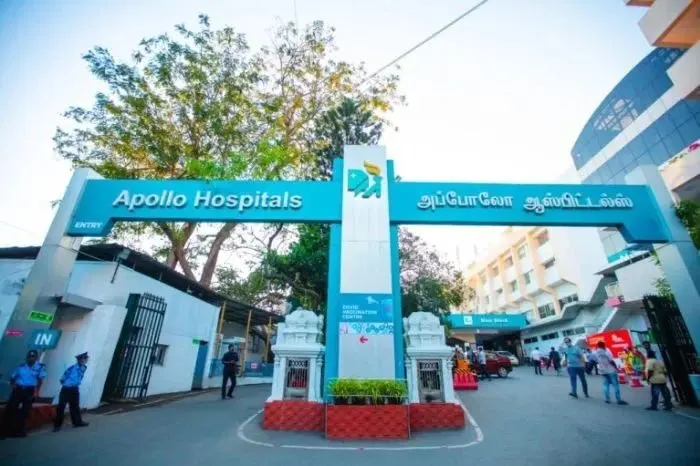
Top Hospitals for ICD Implantation
View All Hospitals →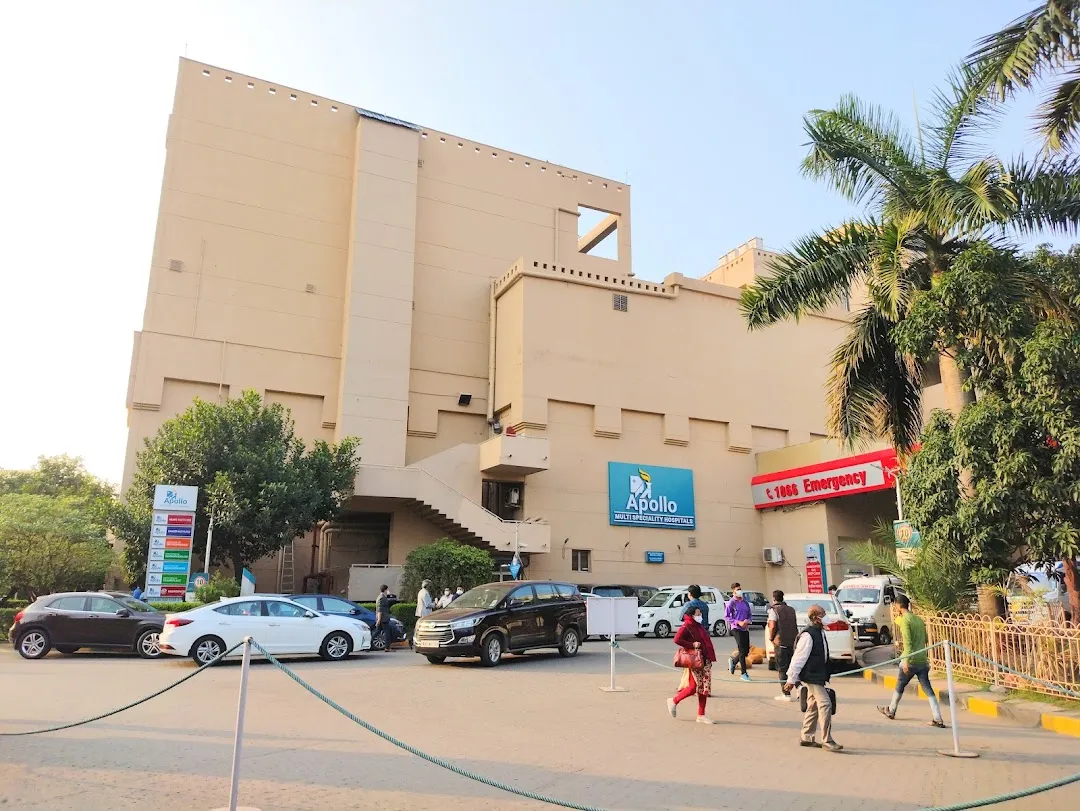




Top Doctors for ICD Implantation
View All Doctors →
Dr. Pruthvi Gattu
Interventional Cardiology · 12+ yrs

Dr. Abhijit Borse
Interventional Cardiology · 10+ yrs

Dr. Abhisekh Mohanty
Interventional Cardiology · 15+ yrs
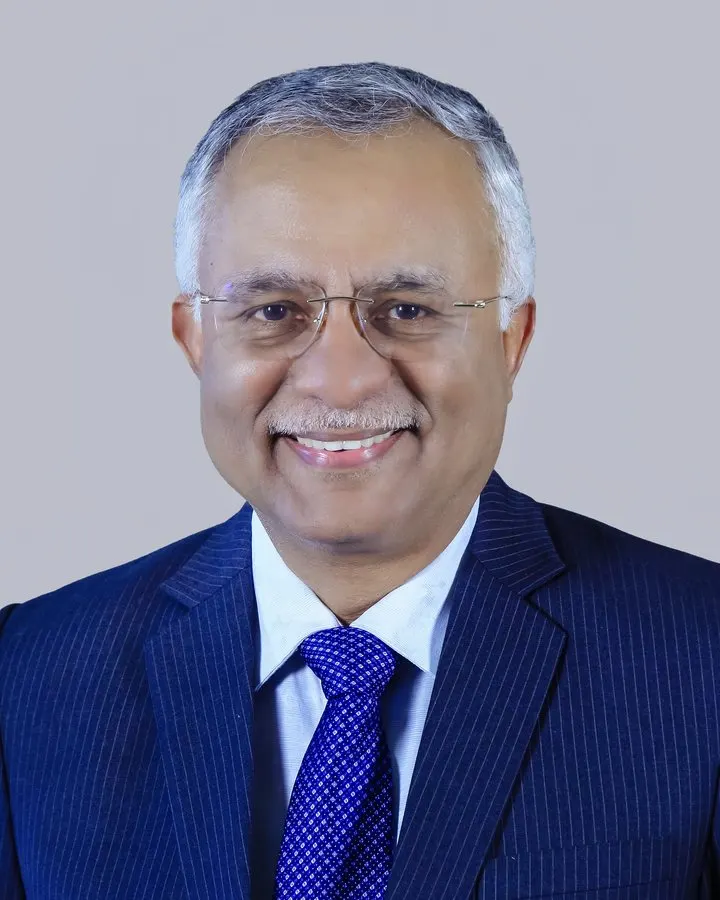
Dr. Anil Kumar R
Cardiology · 25+ yrs

Dr. Aparna Jaswal
Cardiac Electrophysiology & Pacing · 19+ yrs

Dr. Aritra Konar
Cardiology & Interventional Cardiology · 10+ yrs
Frequently Asked Questions
How much does ICD Implantation cost in India?
Cost depends on ICD type and brand, transvenous versus subcutaneous system, number of leads, whether CRT capability is required, implantation complexity, electrophysiology and hospital fees, anaesthesia or sedation and length of stay. Lead revision, extraction or generator replacement should be estimated separately when relevant.
Which medical reports are useful to have ready for ICD Implantation?
Have ready: ECGs, Holter or event-monitor recordings, electrophysiology and cardiology notes, recent echocardiography and any cardiac MRI, coronary or heart-failure records relevant to the indication. Include previous ventricular tachycardia or cardiac-arrest documentation, current medicines and any existing pacemaker, ICD or CRT device reports.
What does an ICD do?
It monitors heart rhythm and can deliver pacing or a shock when it detects selected dangerous ventricular arrhythmias.
Who may need an ICD?
It may be recommended after certain life-threatening ventricular arrhythmias or for selected patients whose heart condition creates a high risk of sudden cardiac death.
Does an ICD require follow-up?
Yes. Device checks are needed to review battery status, leads, stored rhythm events and programming.

Our services are FREE
We connect you with leading hospitals and specialists in India. You pay the hospital directly.