
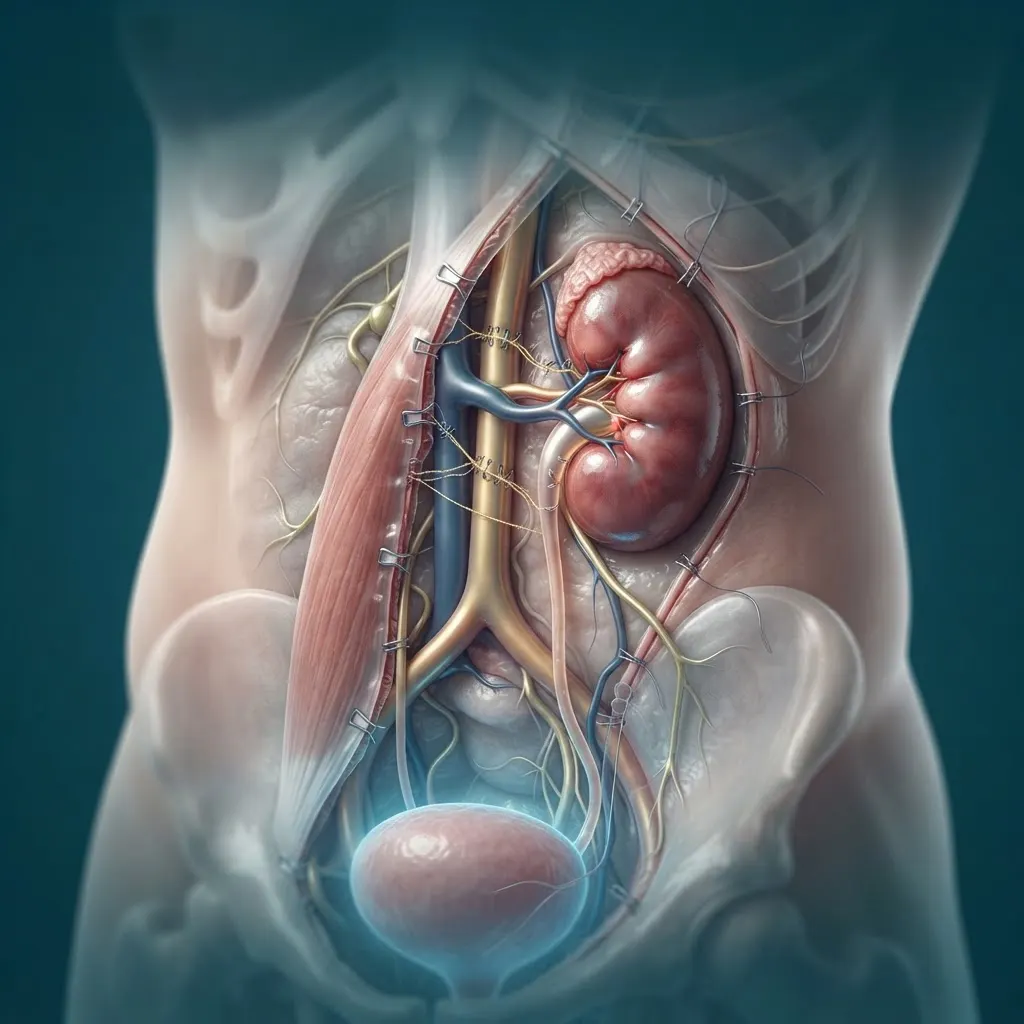
Infection Prevention and Post Transplant Care
Post-HSCT infection prevention and follow-up in India with prophylaxis, immune-recovery monitoring, GVHD surveillance and urgent infection planning after stem-cell transplantation.
Our services are FREE and by using our services your hospital bill does not increase!
About Infection Prevention and Post Transplant Care
Infection prevention and post-transplant care in India is a critical part of recovery after haematopoietic stem-cell transplantation (HSCT). It is not a separate transplant procedure; it is the structured monitoring and supportive care required while blood counts and immune function recover after autologous or allogeneic transplantation. The intensity and duration of follow-up depend on transplant type, donor source, immune suppression, complications and the patient’s stage of recovery.
Care may include antiviral, antibacterial or antifungal prophylaxis when indicated, blood-count and organ-function monitoring, central-line care, vaccination planning and surveillance for viral reactivation and other infections. Allogeneic recipients also need assessment for graft-versus-host disease (GVHD) and careful adjustment of immunosuppressive medicines. Transfusion support, nutrition, electrolyte replacement and treatment of treatment-related complications may also be required.
Fever after stem-cell transplantation can be an emergency, particularly during neutropenia or significant immunosuppression. New breathlessness, confusion, severe diarrhoea, persistent vomiting, rash or other acute symptoms may also require urgent local assessment. International patients should have a clear plan for emergency care after returning home and know how their local doctors can communicate with the transplant centre.
The cost of post-transplant care in India varies with transplant type, frequency of specialist visits and blood tests, infection or viral monitoring, prophylactic medicines, immunosuppression, transfusions, line care and whether hospital readmission is needed. Costs can therefore differ substantially between routine follow-up and management of a serious infection or GVHD.
India has tertiary transplant centres with haematologists, transplant physicians, microbiology and infectious-disease support, blood banks and intensive-care services for complex post-HSCT care. Medical Help India can connect you with a suitable healthcare partner whose transplant team can review your transplant summary, current blood counts, medicines and complications, advise on follow-up requirements and provide an individual estimate for planned care.
What's Included
Why consider treatment in India?
Access to experienced specialists
Advanced treatment and diagnostic options
More affordable hospital care
Shorter waiting times for treatment
Help comparing hospitals, plans and costs
Support with appointments, travel and follow-up
Cost in India
USDFinal costs depend on the medical assessment, hospital, room category and clinical needs.
How it works
Share your details
Tell us about your health concerns, age and current location.
Receive a call
We call you to discuss your situation, needs and questions.
Receive a treatment plan
Get information about the most suitable treatment plan, hospital and estimated cost.
Choose your plan
Review the options and agree on your care and travel plan.
Get full support
Receive full support throughout every stage of your care journey.
Receive care in India
Receive your planned care with support throughout your stay.
Top Hospitals for Infection Prevention and Post Transplant Care
View All Hospitals →
Frequently Asked Questions
How much does Infection Prevention And Post Transplant Care cost in India?
Cost depends on transplant type, frequency of specialist visits and blood tests, viral or infection surveillance, prophylactic medicines, immunosuppression, transfusion or line-care needs and whether readmission is required. Routine follow-up and treatment of serious infection or GVHD have very different cost profiles.
Which medical reports are useful to have ready for Infection Prevention And Post Transplant Care?
Have ready: the transplant summary with transplant date and donor type, recent blood counts and organ-function tests, current immunosuppressive and prophylactic medicines, infection or viral-monitoring results and any GVHD records. Include recent admissions, cultures, imaging and details of fever or other new symptoms.
Why is infection risk high after stem-cell transplantation?
Conditioning treatment and delayed immune recovery reduce normal infection defences, particularly during the early post-transplant period.
What does post-transplant infection prevention include?
It can include antimicrobial prophylaxis, laboratory surveillance, central-line care, vaccination planning and rapid evaluation of new symptoms.
Is fever after transplant urgent?
Yes. Fever in an immunocompromised transplant recipient can signal a serious infection and requires prompt medical assessment.

Our services are FREE
We connect you with leading hospitals and specialists in India. You pay the hospital directly.