
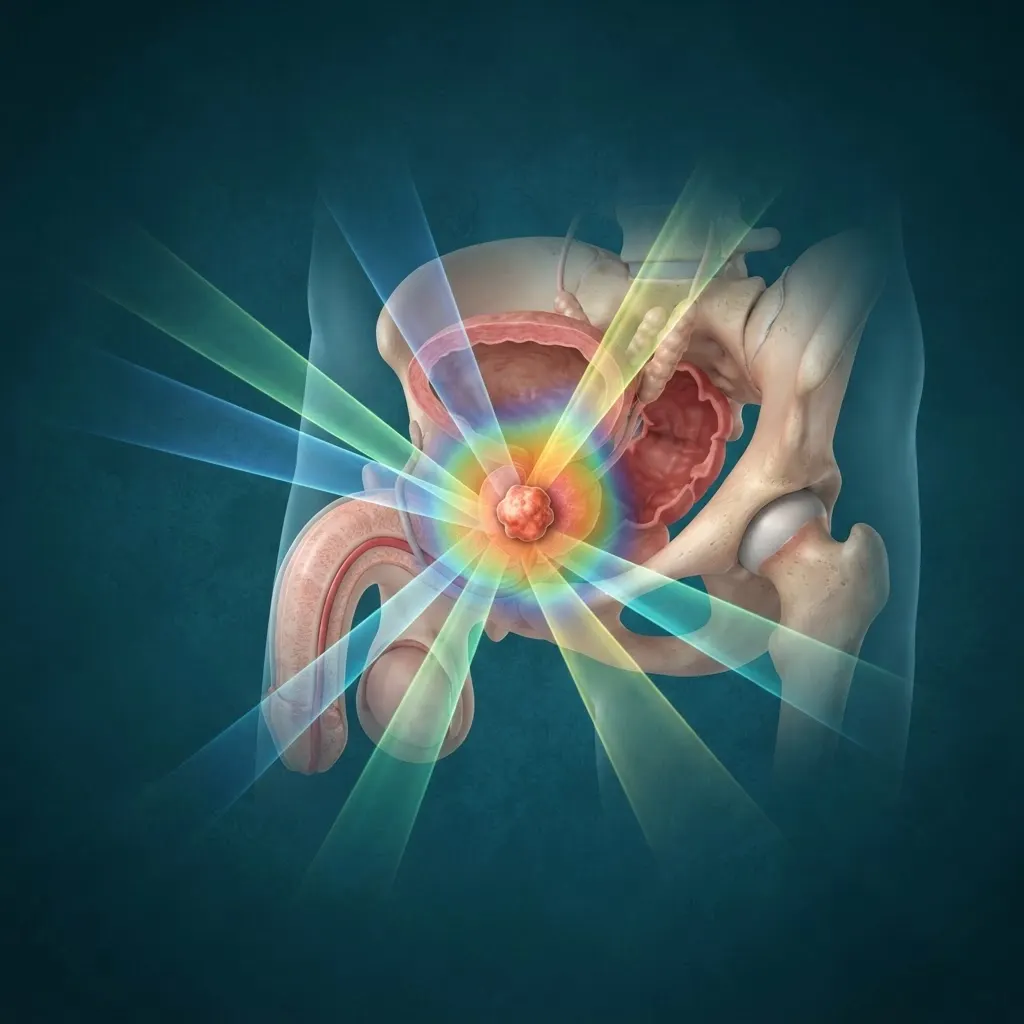
Intensity-Modulated Radiation Therapy (IMRT)
IMRT in India uses computer-optimised external-beam radiotherapy with CT-based planning and image guidance to shape tumour dose while limiting exposure to nearby normal tissues.
Related Conditions
Our services are FREE and by using our services your hospital bill does not increase!
About Intensity-Modulated Radiation Therapy (IMRT)
Intensity-modulated radiation therapy (IMRT) in India is an advanced external-beam radiotherapy technique that varies radiation intensity across multiple beam angles to shape dose around a tumour while reducing exposure to selected nearby normal tissues. It is used for many cancers when this degree of dose conformality offers a clinical advantage, including selected head-and-neck, prostate, brain, pelvic and other tumours.
Planning begins with radiation-oncology consultation and CT simulation in a reproducible treatment position. MRI, PET-CT or other imaging may be registered with the planning CT when useful for defining the target. The radiation oncologist contours the tumour and organs at risk, while dosimetrists and medical physicists optimise and quality-check the plan. Image guidance is commonly used during treatment to verify positioning.
IMRT may be delivered over one or many fractions according to the cancer type, treatment intent, prescribed dose and fractionation schedule. It does not eliminate radiotherapy toxicity: side effects depend on the body area treated, total dose, fraction size, concurrent systemic therapy and the normal tissues receiving radiation. Patients with severe treatment-related dehydration, uncontrolled bleeding, major breathing difficulty or another acute complication need prompt local assessment.
Cost in India depends on the cancer site, number of fractions, CT simulation, immobilisation, MRI or PET image fusion when required, treatment planning, image guidance and medical-physics quality assurance. Concurrent chemotherapy, supportive medicines and management of treatment toxicity are separate cost factors.
India has tertiary cancer centres with radiation oncologists, modern linear accelerators, image-guided treatment and medical-physics quality assurance. Medical Help India is a connection platform that can connect medically stable international patients with an appropriate oncology healthcare partner to review pathology and imaging, confirm whether IMRT or another radiotherapy technique is appropriate and provide an individual treatment and cost estimate.
What's Included
Why consider treatment in India?
Access to experienced specialists
Advanced treatment and diagnostic options
More affordable hospital care
Shorter waiting times for treatment
Help comparing hospitals, plans and costs
Support with appointments, travel and follow-up
Cost in India
USDFinal costs depend on the medical assessment, hospital, room category and clinical needs.
How it works
Share your details
Tell us about your health concerns, age and current location.
Receive a call
We call you to discuss your situation, needs and questions.
Receive a treatment plan
Get information about the most suitable treatment plan, hospital and estimated cost.
Choose your plan
Review the options and agree on your care and travel plan.
Get full support
Receive full support throughout every stage of your care journey.
Receive care in India
Receive your planned care with support throughout your stay.
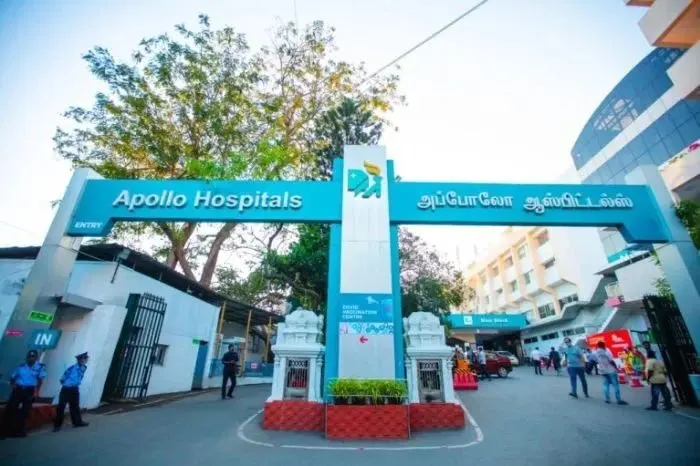
Top Hospitals for Intensity-Modulated Radiation Therapy (IMRT)
View All Hospitals →
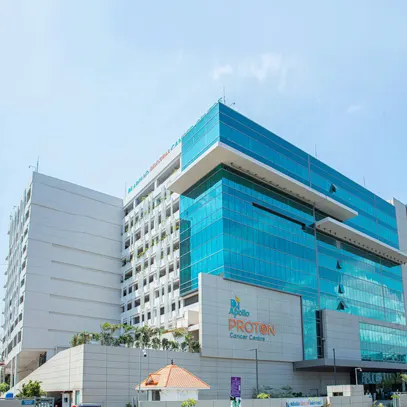

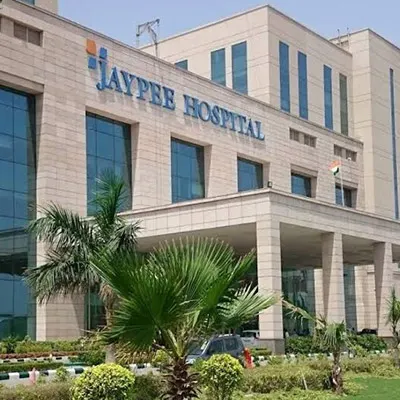
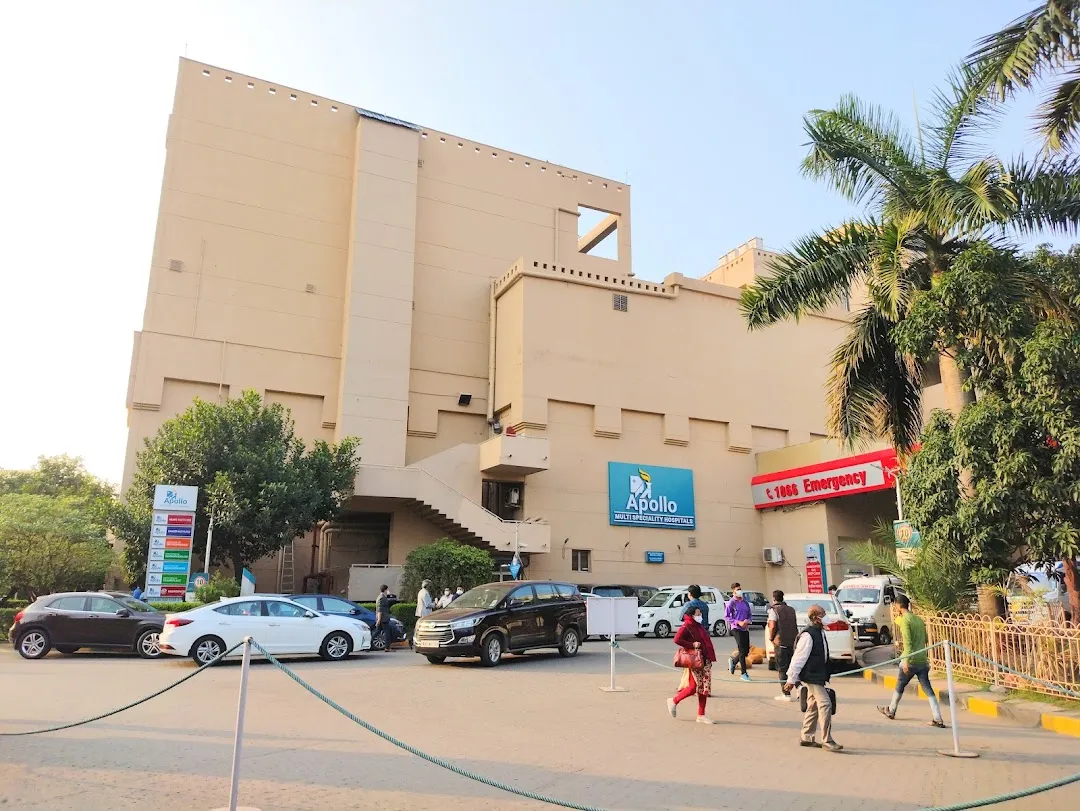
Top Doctors for Intensity-Modulated Radiation Therapy (IMRT)
View All Doctors →





Frequently Asked Questions
How much does Intensity-Modulated Radiation Therapy (IMRT) cost in India?
Cost depends on the cancer site, prescribed dose and number of fractions, CT simulation, immobilisation, MRI or PET image fusion when required, treatment planning, image guidance, medical-physics quality assurance and whether chemotherapy or another treatment is given concurrently. Shorter and longer fractionation schedules have different total costs.
Which medical reports are useful to have ready for Intensity-Modulated Radiation Therapy (IMRT)?
Have ready: the biopsy and pathology report, radiation-oncology and oncology notes, the latest CT, MRI or PET-CT images and reports and records of previous surgery, chemotherapy or radiotherapy. Include the proposed radiation site and dose if already planned, prior radiotherapy treatment plans when the same or nearby region was treated and recent blood tests when concurrent systemic therapy is being considered.
How is IMRT different from conventional radiotherapy?
IMRT modulates beam intensity to shape the radiation dose more closely around the target while limiting dose to selected nearby normal tissues.
What is needed before IMRT starts?
Planning normally includes CT simulation, target and organ-at-risk contouring, computerised dose optimisation and medical-physics quality assurance.
Does IMRT eliminate radiotherapy side effects?
No. It can reduce dose to some normal tissues, but side effects still depend on the treatment site, total dose, fractionation and individual patient factors.

Our services are FREE
We connect you with leading hospitals and specialists in India. You pay the hospital directly.