
Interventional Radiology Procedures
Interventional radiology in India for image-guided biopsy, drainage, embolisation, vascular treatment, ablation and biliary or urinary procedures after specialist imaging review.
Related Conditions
Our services are FREE and by using our services your hospital bill does not increase!
About Interventional Radiology Procedures
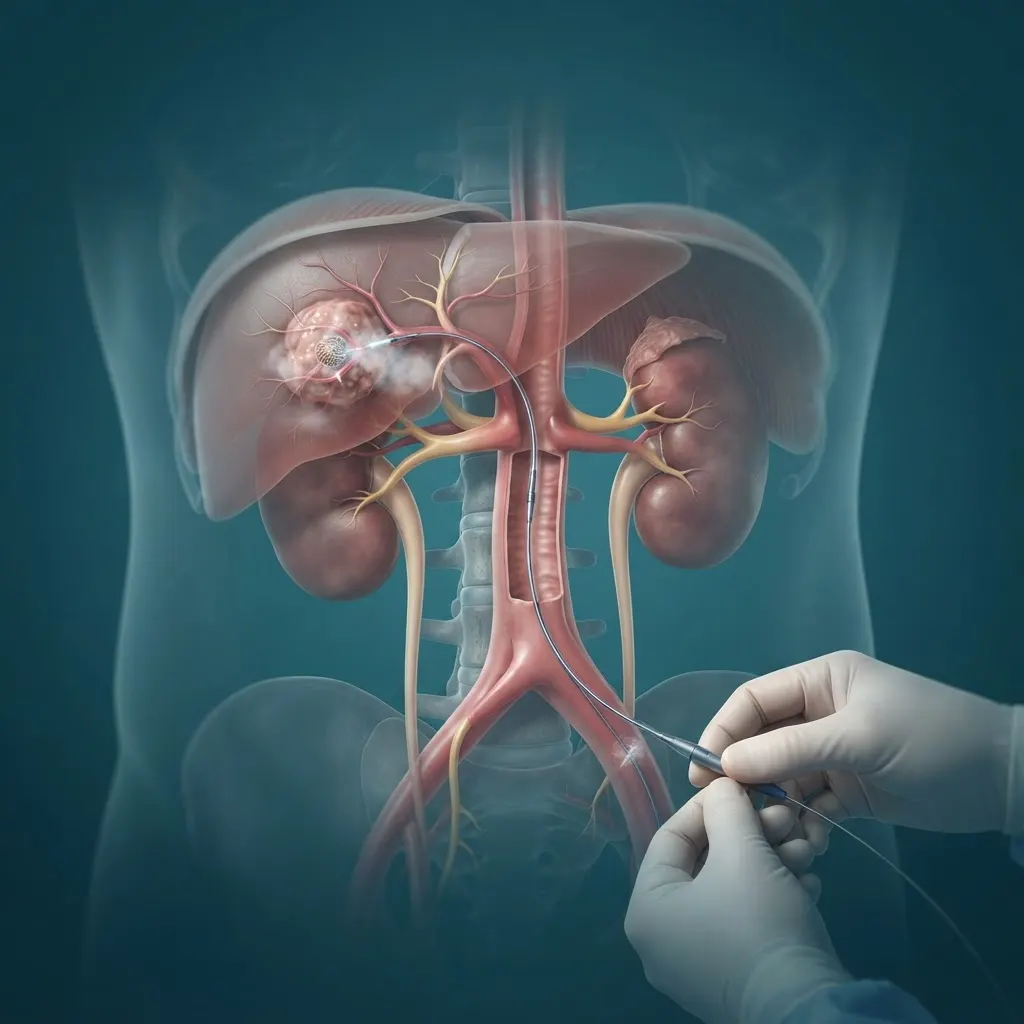
Interventional radiology procedures in India use ultrasound, CT, fluoroscopy or angiography to perform minimally invasive diagnostic and therapeutic procedures through needles, wires and catheters. The field covers many different treatments, so the appropriate specialist, preparation, risks and expected outcome depend on the exact diagnosis rather than on the label “interventional radiology” alone.
Procedures may include image-guided biopsy or drainage, embolisation, angioplasty and vascular stenting, tumour ablation, biliary drainage or stenting, nephrostomy and selected venous or vascular-access interventions. Planning typically includes review of the relevant diagnostic imaging and blood tests. Kidney function, coagulation, infection risk, contrast allergy and antiplatelet or anticoagulant medicines are assessed when relevant, and oncology procedures also require review of pathology and the wider cancer-treatment plan.
Some interventions use local anaesthesia and sedation, while more complex procedures require anaesthesia support or hospital admission. Risks are procedure-specific and can include bleeding, infection, contrast-related kidney or allergic problems, vessel injury, non-target embolisation and damage to nearby structures. Patients should understand whether the proposed procedure is diagnostic, definitive, palliative or a bridge to surgery or another treatment. Active major bleeding, sepsis, stroke symptoms or other clinical instability requires urgent local care rather than delaying treatment for planned international travel.
Cost in India depends on the exact intervention, imaging guidance, disposable catheters and wires, stents, embolic or ablation devices, contrast use, anaesthesia, angiography-suite charges and hospital stay. A biopsy or drainage has a very different cost profile from complex embolisation, vascular stenting or tumour ablation.
India has tertiary hospitals with interventional radiologists, modern angiography and cross-sectional imaging, anaesthesia and surgical or intensive-care backup. Medical Help India is a connection platform that can connect medically stable international patients with an appropriate healthcare partner to review imaging, compare interventional and surgical options and provide an individual procedure and cost estimate.
What's Included
Why consider treatment in India?
Access to experienced specialists
Advanced treatment and diagnostic options
More affordable hospital care
Shorter waiting times for treatment
Help comparing hospitals, plans and costs
Support with appointments, travel and follow-up
Cost in India
USDFinal costs depend on the medical assessment, hospital, room category and clinical needs.
How it works
Share your details
Tell us about your health concerns, age and current location.
Receive a call
We call you to discuss your situation, needs and questions.
Receive a treatment plan
Get information about the most suitable treatment plan, hospital and estimated cost.
Choose your plan
Review the options and agree on your care and travel plan.
Get full support
Receive full support throughout every stage of your care journey.
Receive care in India
Receive your planned care with support throughout your stay.
Top Hospitals for Interventional Radiology Procedures
View All Hospitals →
Top Doctors for Interventional Radiology Procedures
View All Doctors →
Frequently Asked Questions
How much does Interventional Radiology Procedures cost in India?
Cost depends on the exact image-guided procedure, ultrasound, CT or angiography guidance, disposable catheters and wires, stents, embolic or ablation devices, contrast use, anaesthesia or sedation, hospital stay and whether repeat or staged intervention is required. A biopsy or drainage has a very different cost profile from complex embolisation, vascular stenting or tumour ablation.
Which medical reports are useful to have ready for Interventional Radiology Procedures?
Have ready: the specialist referral or clinical note explaining the diagnosis and proposed intervention, plus the latest CT, MRI, ultrasound, angiography or other relevant images and reports. Include recent blood count, kidney function and coagulation results, current anticoagulant or antiplatelet medicines, allergies to contrast, previous interventional or surgical procedure reports and pathology or oncology records when the procedure is cancer-related.
What types of treatments does interventional radiology provide?
It can include image-guided biopsy or drainage, embolisation, angioplasty, tumour ablation, biliary or urinary interventions and other minimally invasive procedures.
What imaging is used during interventional radiology?
Procedures may be guided by ultrasound, fluoroscopy, CT, angiography or a combination of imaging methods.
Is interventional radiology always an alternative to surgery?
No. Some procedures replace surgery in selected cases, while others support or complement surgical, oncological or medical treatment.
Our services are FREE
We connect you with leading hospitals and specialists in India. You pay the hospital directly.