
Joint Replacement Surgery
Joint replacement surgery in India for severe hip, knee, shoulder or other joint damage, with imaging-based planning, prosthetic replacement and structured rehabilitation.
Related Conditions
Our services are FREE and by using our services your hospital bill does not increase!
About Joint Replacement Surgery
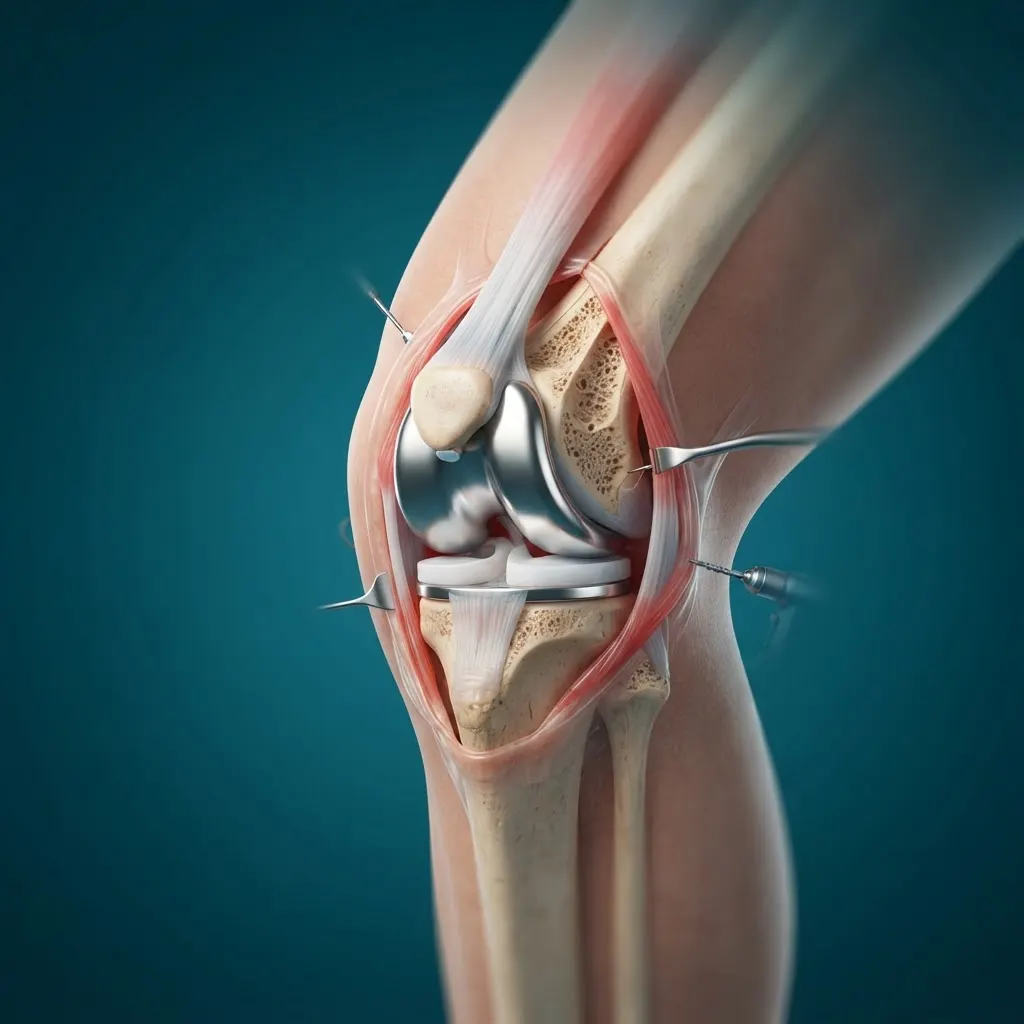
Joint replacement surgery in India replaces severely damaged joint surfaces with prosthetic components when pain and functional limitation from advanced arthritis, osteonecrosis, trauma or other joint destruction no longer respond adequately to appropriate non-surgical treatment. Hip and knee replacements are most common, with shoulder and other joint replacements performed for selected indications.
Planning includes joint-specific orthopaedic assessment, weight-bearing or other appropriate X-rays and medical optimisation, with CT or MRI used selectively. The surgeon considers diagnosis, deformity, bone quality, ligament function, age and activity level and whether total, partial or another type of replacement is appropriate. Existing infection must be excluded before elective implantation.
Important risks include infection, venous thromboembolism, dislocation or instability, stiffness, fracture, implant wear and later revision. Recovery requires procedure-specific rehabilitation, thrombosis prevention and safe timing of long-distance travel. Patients with new severe calf swelling, chest pain or sudden breathlessness after surgery need urgent local assessment.
Cost in India depends on the joint treated, implant system and brand, unilateral versus bilateral surgery, surgical complexity, anaesthesia, hospital stay and rehabilitation. Revision surgery, major deformity or additional reconstruction has a different cost pathway from straightforward primary replacement. India has high-volume orthopaedic centres with joint-replacement surgeons, implant systems, infection-prevention protocols and structured rehabilitation. Medical Help India can connect patients with an appropriate healthcare partner in India to review imaging, explain implant and surgical options and provide an individual estimate.
What's Included
Why consider treatment in India?
Access to experienced specialists
Advanced treatment and diagnostic options
More affordable hospital care
Shorter waiting times for treatment
Help comparing hospitals, plans and costs
Support with appointments, travel and follow-up
Cost in India
USDFinal costs depend on the medical assessment, hospital, room category and clinical needs.
How it works
Share your details
Tell us about your health concerns, age and current location.
Receive a call
We call you to discuss your situation, needs and questions.
Receive a treatment plan
Get information about the most suitable treatment plan, hospital and estimated cost.
Choose your plan
Review the options and agree on your care and travel plan.
Get full support
Receive full support throughout every stage of your care journey.
Receive care in India
Receive your planned care with support throughout your stay.
Top Hospitals for Joint Replacement Surgery
View All Hospitals →





Top Doctors for Joint Replacement Surgery
View All Doctors →
Dr. Jayant Arora
Orthopaedics, Spine Surgery, Sports Medicine & Robotic Joint Reconstruction · 26+ yrs

Dr A Mohan Krishna
Orthopaedics · 16+ yrs

Dr. Anil Tomar
Orthopaedic and Joint Replacement Surgeon · 29+ yrs

Dr. Ashok Rajgopal
Orthopaedics, Joint Replacement & Robotic Surgery

Dr. Balamurali Krishnan
Orthopaedics, Arthroscopy & Robotic Joint Replacement · 33+ yrs

Dr Bharani Kumar D
Orthopaedic and Joint Replacement Surgeon · 22+ yrs
Frequently Asked Questions
How much does Joint Replacement Surgery cost in India?
Cost depends on the joint treated, implant system and brand, unilateral versus bilateral surgery, surgical complexity, anaesthesia, hospital stay and rehabilitation. Revision surgery, major deformity or additional reconstruction has a different cost pathway from straightforward primary replacement.
Which medical reports are useful to have ready for Joint Replacement Surgery?
Have ready: recent joint-specific X-rays and orthopaedic notes, with CT or MRI when already performed. Include the diagnosis, pain and walking or functional limitations, previous injections or surgery, current medicines, major medical conditions, any history of joint infection and the proposed implant or procedure if one has already been discussed.
When is joint replacement considered?
It is considered when severe joint damage causes persistent pain and functional limitation despite appropriate non-surgical treatment.
What is the difference between partial and total joint replacement?
Partial replacement resurfaces only a selected damaged compartment, while total replacement replaces the major articulating surfaces of the joint.
How long do joint-replacement implants last?
Implant longevity varies with joint type, implant design, activity, patient factors and complications, so no exact lifespan can be guaranteed.

Our services are FREE
We connect you with leading hospitals and specialists in India. You pay the hospital directly.