
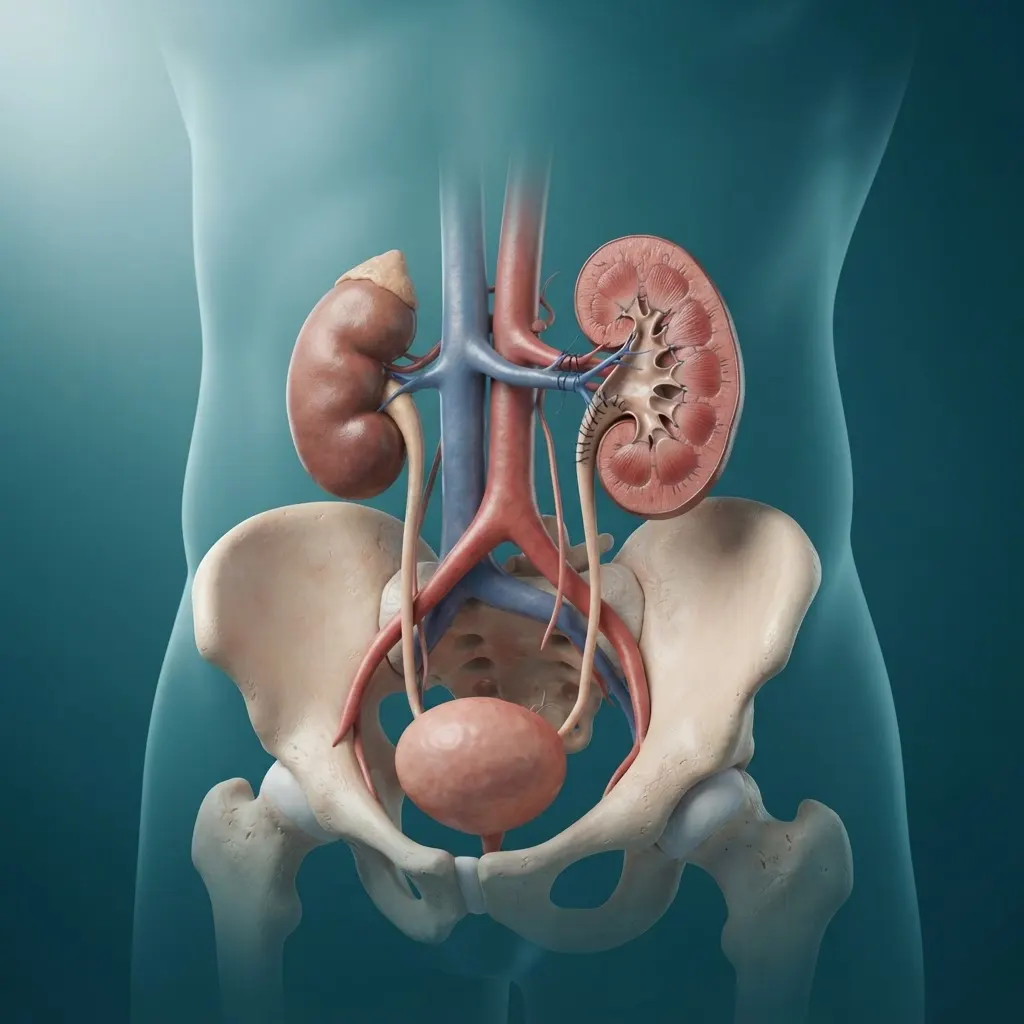
Kidney Transplantation
Kidney transplantation in India with recipient and living-donor evaluation, HLA and compatibility testing, transplant surgery and lifelong immunosuppression follow-up.
Related Conditions
Our services are FREE and by using our services your hospital bill does not increase!
About Kidney Transplantation
Kidney transplantation in India is a treatment for selected patients with end-stage kidney disease who are medically suitable for transplant. A healthy donor kidney is implanted to restore kidney function, but transplantation requires coordinated nephrology, transplant surgery, immunology, infectious-disease and long-term follow-up rather than being a single surgical event.
Recipient assessment usually includes blood-group and HLA testing, crossmatch and sensitisation review, cardiovascular evaluation, infection screening, cancer-history review and assessment of the cause of kidney failure. Living donors undergo a separate and independent medical, kidney-function and surgical evaluation focused on donor safety. International patients must also meet applicable Indian transplant-law, authorization and documentation requirements before living-donor transplantation can proceed.
After surgery, recipients require lifelong immunosuppressive medicines and monitoring for rejection, infection, medicine toxicity and graft function. The transplant team also plans vaccination, blood-pressure and diabetes management and follow-up after the patient returns home. A patient with active sepsis, unstable cardiovascular disease or another major uncontrolled illness may need treatment and stabilisation before transplant can be considered.
The cost of kidney transplantation in India depends on recipient and donor evaluation, compatibility testing, transplant surgery, ICU and ward stay, medicines, pathology or biopsy when required and treatment of complications. Long-term costs include anti-rejection medicines and regular laboratory and specialist monitoring.
India has established kidney-transplant programmes at tertiary hospitals with transplant nephrology, urology or transplant surgery, immunology laboratories, dialysis, critical care and infection-management support. Medical Help India can connect international patients with a suitable healthcare partner whose transplant team can review recipient and donor records, clarify eligibility and legal requirements and provide an individual transplant and follow-up estimate.
What's Included
Why consider treatment in India?
Access to experienced specialists
Advanced treatment and diagnostic options
More affordable hospital care
Shorter waiting times for treatment
Help comparing hospitals, plans and costs
Support with appointments, travel and follow-up
Cost in India
USDFinal costs depend on the medical assessment, hospital, room category and clinical needs.
How it works
Share your details
Tell us about your health concerns, age and current location.
Receive a call
We call you to discuss your situation, needs and questions.
Receive a treatment plan
Get information about the most suitable treatment plan, hospital and estimated cost.
Choose your plan
Review the options and agree on your care and travel plan.
Get full support
Receive full support throughout every stage of your care journey.
Receive care in India
Receive your planned care with support throughout your stay.
Top Hospitals for Kidney Transplantation
View All Hospitals →





Top Doctors for Kidney Transplantation
View All Doctors →
Dr Sandeep Guleria
Kidney Transplant Surgery · 33+ yrs

Dr. Deepanshu Gupta
Urology, Endourology & Kidney Stone Surgery · 15+ yrs

Dr. Hemant J. Mehta
Nephrology & Kidney Transplant · 35+ yrs

Dr. Manju Aggarwal
Kidney Transplant & Nephrology · 35+ yrs

Dr. Manjunath S
Nephrology & Renal Transplant Medicine · 13+ yrs

Dr. Mohan Keshavamurthy
Urology · 37+ yrs
Frequently Asked Questions
How much does Kidney Transplantation cost in India?
Cost depends on recipient and living-donor evaluation, blood-group and HLA testing, crossmatch and sensitisation studies, transplant surgery, ICU and ward stay, immunosuppressive medicines and treatment of complications. Long-term anti-rejection medication and laboratory follow-up are additional ongoing costs.
Which medical reports are useful to have ready for Kidney Transplantation?
Have ready: nephrology and dialysis records, the cause of kidney failure, recent kidney and other organ-function tests, blood group, infection screening, cardiac assessment and current medicines. For a proposed living donor, include blood group, relationship documentation and any available donor kidney-function, imaging or compatibility results, together with previous transplant-centre assessments.
Who may be eligible for kidney transplantation?
Eligibility depends on end-stage kidney disease, overall health, cardiovascular risk, infection status, cancer history and other transplant-centre criteria.
What testing is required for a living kidney donor?
Donors undergo blood-group and compatibility testing plus independent medical, kidney-function and safety assessment before donation can be approved.
Will anti-rejection medicine be needed permanently?
Yes. Kidney-transplant recipients generally require lifelong immunosuppressive therapy and regular monitoring of graft function and treatment complications.

Our services are FREE
We connect you with leading hospitals and specialists in India. You pay the hospital directly.