
Laa Occlusion
LAA occlusion in India for selected non-valvular atrial fibrillation patients needing an alternative to long-term anticoagulation, with TEE/CT planning and follow-up imaging.
Related Conditions
Our services are FREE and by using our services your hospital bill does not increase!
About Laa Occlusion
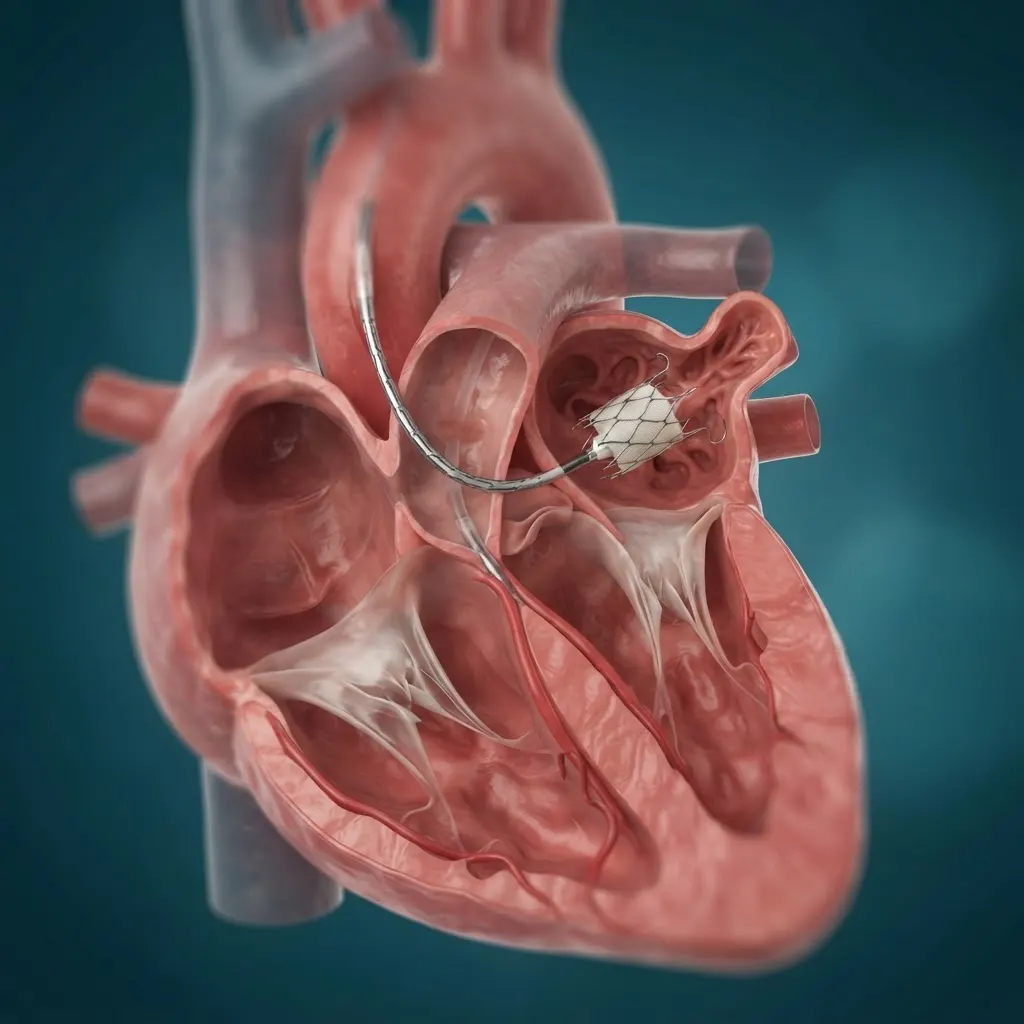
Left atrial appendage (LAA) occlusion in India is a catheter-based procedure used to reduce thromboembolic stroke risk in selected patients with non-valvular atrial fibrillation when long-term oral anticoagulation is unsuitable, poorly tolerated or associated with a clinically important bleeding problem. It seals the LAA, where many atrial-fibrillation-related clots form, but does not treat atrial fibrillation itself.
Assessment is led by a structural-heart or electrophysiology team and includes stroke and bleeding-risk review, echocardiography and detailed LAA imaging with transoesophageal echocardiography (TEE) or cardiac CT. Existing LAA thrombus must be excluded before device implantation. The team also reviews previous bleeding, kidney function, anticoagulant history, valve disease and whether continued anticoagulation remains the better option.
The device is usually delivered through a femoral vein and across the atrial septum under fluoroscopic and echocardiographic guidance. Patients require an individualized short-term antithrombotic regimen and follow-up imaging to assess device position, residual leak and device-related thrombus. Risks include bleeding, pericardial effusion or tamponade, vascular complications, device embolisation, device-related thrombus and stroke. New stroke symptoms, severe chest pain, collapse or major bleeding requires urgent local emergency assessment.
Cost in India depends on the LAA closure device, TEE or cardiac CT, catheter-laboratory charges, anaesthesia or sedation, hospital stay, antithrombotic medicines and follow-up imaging. Treatment of complications or additional structural-heart procedures can materially change the estimate.
India has tertiary cardiac centres with structural-heart and electrophysiology specialists, advanced cardiac imaging, catheter laboratories and cardiac surgical backup. Medical Help India is a connection platform that can connect medically stable international patients with an appropriate healthcare partner to review AF and bleeding history, assess LAA-closure candidacy and provide an individual treatment and cost estimate.
What's Included
Why consider treatment in India?
Access to experienced specialists
Advanced treatment and diagnostic options
More affordable hospital care
Shorter waiting times for treatment
Help comparing hospitals, plans and costs
Support with appointments, travel and follow-up
Cost in India
USDFinal costs depend on the medical assessment, hospital, room category and clinical needs.
How it works
Share your details
Tell us about your health concerns, age and current location.
Receive a call
We call you to discuss your situation, needs and questions.
Receive a treatment plan
Get information about the most suitable treatment plan, hospital and estimated cost.
Choose your plan
Review the options and agree on your care and travel plan.
Get full support
Receive full support throughout every stage of your care journey.
Receive care in India
Receive your planned care with support throughout your stay.
Frequently Asked Questions
How much does Laa Occlusion cost in India?
The cost of Laa Occlusion in India depends on the hospital, specialist team, investigations, treatment complexity and any additional care required. A final estimate is usually prepared after a healthcare provider reviews your medical records.
Which medical reports are useful to have ready for Laa Occlusion?
Have ready: the most recent records you have, such as your diagnosis, doctor’s notes, blood tests, imaging, pathology reports, procedure reports and current medication list. The exact documents needed depend on the treatment and your medical history.
Who may be considered for LAA occlusion?
It is mainly considered for selected patients with non-valvular atrial fibrillation who need stroke prevention but have important problems with long-term anticoagulation.
Does LAA occlusion treat atrial fibrillation?
No. It is intended to reduce AF-related thromboembolic stroke risk; it does not eliminate the atrial fibrillation rhythm itself.
Is medication needed after LAA closure?
Usually yes. A short-term antithrombotic regimen and follow-up imaging are commonly required, with the exact plan determined by the treating cardiac team.

Our services are FREE
We connect you with leading hospitals and specialists in India. You pay the hospital directly.