
Microvascular Decompression
Microvascular decompression in India for selected trigeminal neuralgia or hemifacial spasm, using high-resolution MRI and cranial-nerve neurosurgical assessment.
Related Conditions
Our services are FREE and by using our services your hospital bill does not increase!
About Microvascular Decompression
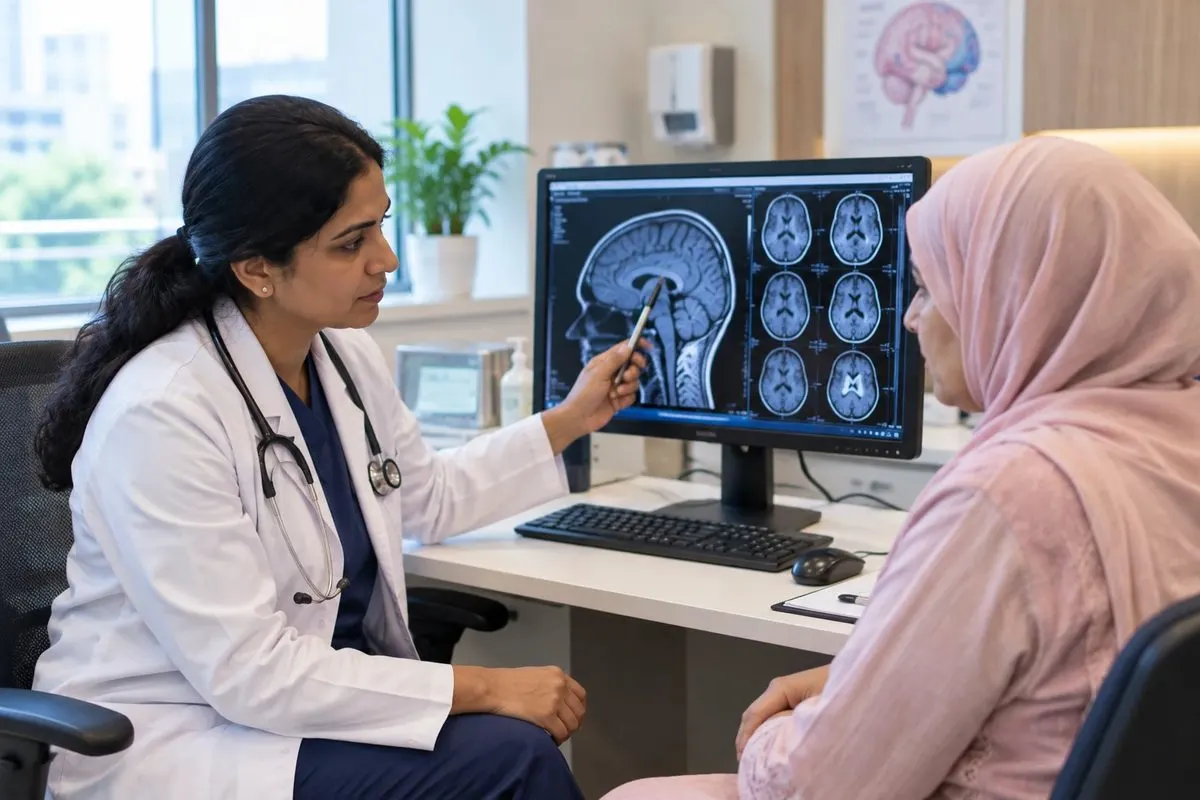
Microvascular decompression (MVD) in India is a neurosurgical operation used mainly for selected patients with trigeminal neuralgia or hemifacial spasm when a blood vessel is compressing the affected cranial nerve. Unlike destructive procedures for trigeminal neuralgia, MVD aims to separate the vessel from the nerve while preserving nerve function.
Assessment includes a detailed neurological history and examination and usually high-resolution MRI focused on the cranial nerves and posterior fossa. Imaging can demonstrate a possible neurovascular contact, but the clinical pattern remains essential because vascular contact can also be seen in people without symptoms. The team reviews previous medicines, treatment response, hearing status, surgical fitness and whether another diagnosis could explain the facial pain or spasm.
MVD is performed through a small posterior-fossa craniotomy. The surgeon identifies the offending vessel and places it away from the nerve, often using a small interposition material or another decompression technique. Important risks include hearing loss, facial weakness or numbness, cerebrospinal-fluid leak, infection, bleeding, stroke and recurrent symptoms. Sudden new neurological deficit, reduced consciousness or an atypical severe new headache requires urgent local assessment rather than planned travel.
The cost of microvascular decompression in India depends on the indication, MRI and preoperative testing, neurosurgeon and hospital, intraoperative monitoring when used, anaesthesia, ICU or ward stay and treatment of complications. Revision MVD can require a different estimate from a primary operation.
India has tertiary neuroscience centres with cranial-nerve and skull-base neurosurgeons, high-resolution MRI, neurophysiological monitoring and neurocritical-care support. Medical Help India is a connection platform that can connect medically stable international patients with an appropriate healthcare partner to review symptoms and imaging, compare MVD with medication or other procedures and provide an individual treatment and cost estimate.
What's Included
Why consider treatment in India?
Access to experienced specialists
Advanced treatment and diagnostic options
More affordable hospital care
Shorter waiting times for treatment
Help comparing hospitals, plans and costs
Support with appointments, travel and follow-up
Cost in India
USDFinal costs depend on the medical assessment, hospital, room category and clinical needs.
How it works
Share your details
Tell us about your health concerns, age and current location.
Receive a call
We call you to discuss your situation, needs and questions.
Receive a treatment plan
Get information about the most suitable treatment plan, hospital and estimated cost.
Choose your plan
Review the options and agree on your care and travel plan.
Get full support
Receive full support throughout every stage of your care journey.
Receive care in India
Receive your planned care with support throughout your stay.
Top Hospitals for Microvascular Decompression
View All Hospitals →
Top Doctors for Microvascular Decompression
View All Doctors →




Frequently Asked Questions
How much does Microvascular Decompression cost in India?
The cost of Microvascular Decompression in India depends on the hospital, specialist team, investigations, treatment complexity and any additional care required. A final estimate is usually prepared after a healthcare provider reviews your medical records.
Which medical reports are useful to have ready for Microvascular Decompression?
Have ready: the most recent records you have, such as your diagnosis, doctor’s notes, blood tests, imaging, pathology reports, procedure reports and current medication list. The exact documents needed depend on the treatment and your medical history.
Which conditions are commonly treated with microvascular decompression?
It is most commonly used for selected trigeminal neuralgia and hemifacial spasm caused by vascular compression of a cranial nerve.
Does microvascular decompression damage the nerve?
The aim is to move or cushion the offending vessel away from the nerve rather than intentionally injure the nerve, unlike some ablative procedures.
What are important risks of microvascular decompression?
Risks include hearing loss, facial weakness or numbness, cerebrospinal-fluid leak, infection, stroke and recurrence of symptoms.
Our services are FREE
We connect you with leading hospitals and specialists in India. You pay the hospital directly.