

Motion Preserving Surgeries
Motion-preserving spine surgery in India using selected artificial-disc or motion-sparing procedures after MRI, stability, facet-joint and bone-quality assessment.
Related Conditions
Our services are FREE and by using our services your hospital bill does not increase!
About Motion Preserving Surgeries
Motion-preserving spine surgery in India refers to selected procedures that treat spinal disease while retaining movement at the operated level when this is biomechanically appropriate. Options can include cervical or lumbar artificial disc replacement and selected decompression or other motion-sparing procedures. The aim is to treat a defined source of pain or neural compression safely; avoiding fusion is not a benefit if the segment is unstable or otherwise unsuitable for motion preservation.
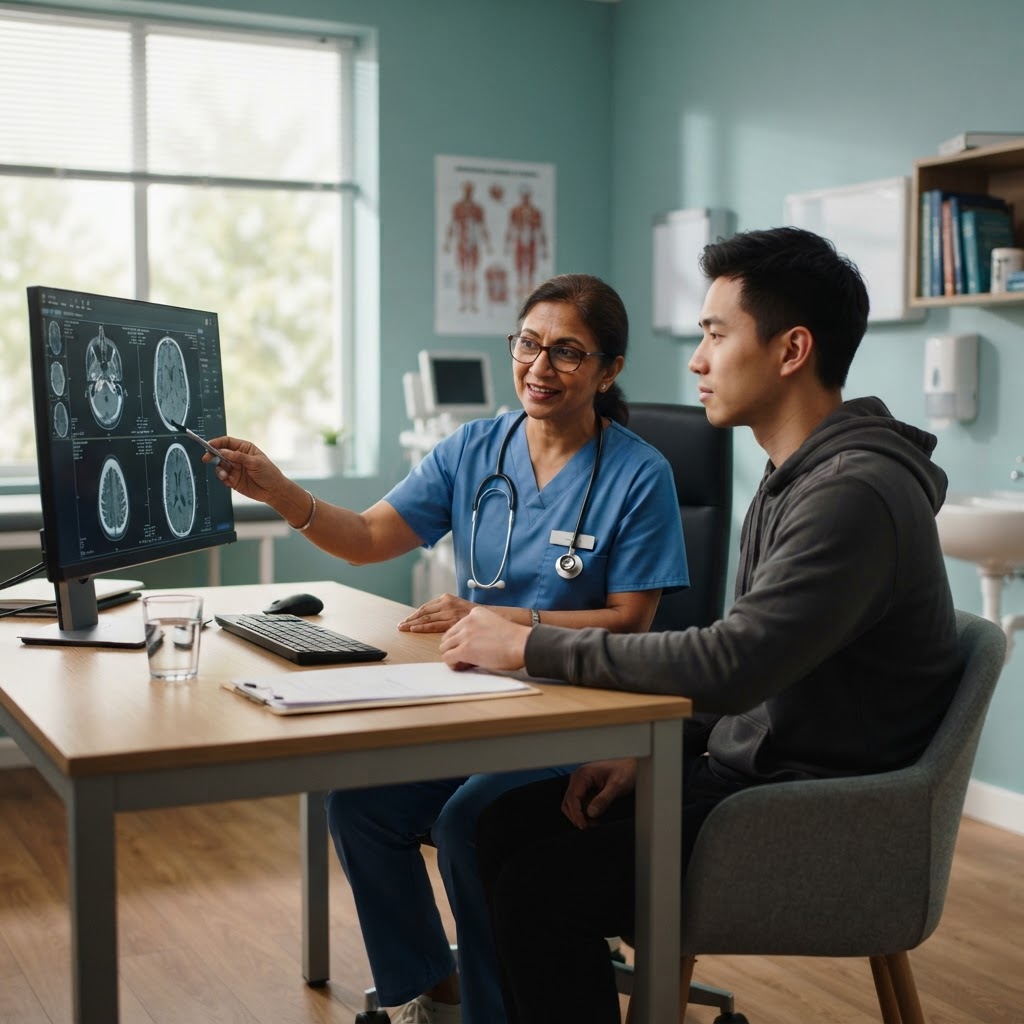
Assessment should include a spine-specialist neurological examination, MRI and standing X-rays, with flexion-extension views or CT added when instability, facet degeneration, previous surgery or bone anatomy needs clarification. Selection depends on the exact diagnosis, spinal alignment, number of affected levels, facet-joint condition, bone quality and whether symptoms correlate with imaging. Significant instability, severe facet arthritis, osteoporosis, infection or major deformity can make fusion or another approach more appropriate.
Risks depend on the operation. Artificial-disc replacement can involve implant migration or subsidence, heterotopic ossification, persistent symptoms and later revision, while decompression carries risks such as dural tear, nerve injury or recurrent compression. New bladder or bowel dysfunction, saddle numbness or rapidly progressive weakness requires urgent local assessment rather than planned medical travel.
Cost in India depends on the actual procedure, cervical or lumbar level, number of levels, implant system, imaging, anaesthesia, hospital stay and rehabilitation. A limited decompression and multilevel artificial-disc reconstruction therefore have very different cost pathways.
India has tertiary orthopaedic and neuroscience hospitals with orthopaedic and neurosurgical spine teams, advanced MRI/CT, motion-preservation implants and structured rehabilitation. Medical Help India is a connection platform that can connect medically stable international patients with an appropriate healthcare partner to review imaging, compare motion-preserving, fusion and non-operative options and provide an individual treatment and cost estimate.
What's Included
Why consider treatment in India?
Access to experienced specialists
Advanced treatment and diagnostic options
More affordable hospital care
Shorter waiting times for treatment
Help comparing hospitals, plans and costs
Support with appointments, travel and follow-up
Cost in India
USDFinal costs depend on the medical assessment, hospital, room category and clinical needs.
How it works
Share your details
Tell us about your health concerns, age and current location.
Receive a call
We call you to discuss your situation, needs and questions.
Receive a treatment plan
Get information about the most suitable treatment plan, hospital and estimated cost.
Choose your plan
Review the options and agree on your care and travel plan.
Get full support
Receive full support throughout every stage of your care journey.
Receive care in India
Receive your planned care with support throughout your stay.
Top Hospitals for Motion Preserving Surgeries
View All Hospitals →
Top Doctors for Motion Preserving Surgeries
View All Doctors →
Frequently Asked Questions
How much does Motion Preserving Surgeries cost in India?
Cost depends on the actual motion-preserving procedure, cervical or lumbar level, number of levels, artificial-disc or other implant system, imaging, anaesthesia, hospital stay and rehabilitation. A limited decompression and multilevel disc replacement require different estimates.
Which medical reports are useful to have ready for Motion Preserving Surgeries?
Have ready: recent spine MRI images and reports, standing X-rays and CT or flexion-extension studies if already performed. Include neurological symptoms, previous spine treatment or surgery, bone-density results when relevant and any new weakness or bladder or bowel symptoms.
Which procedures can preserve spinal motion?
Examples include artificial disc replacement and selected decompression or dynamic stabilization procedures, depending on the diagnosis and anatomy.
What imaging helps decide whether motion preservation is suitable?
MRI and standing X-rays are commonly used, with CT or flexion-extension studies added when bone anatomy or instability needs clarification.
Can a motion-preserving implant still cause problems later?
Yes. Implant wear or migration, heterotopic ossification, persistent pain and adjacent or same-level degeneration can occur depending on the procedure.
Our services are FREE
We connect you with leading hospitals and specialists in India. You pay the hospital directly.