
Pan-Retinal Photocoagulation (PRP)
Pan-retinal photocoagulation in India for proliferative diabetic retinopathy and selected ischaemic retinal disease, with retina-specialist imaging and laser treatment to reduce neovascular complications.
Related Conditions
Our services are FREE and by using our services your hospital bill does not increase!
About Pan-Retinal Photocoagulation (PRP)
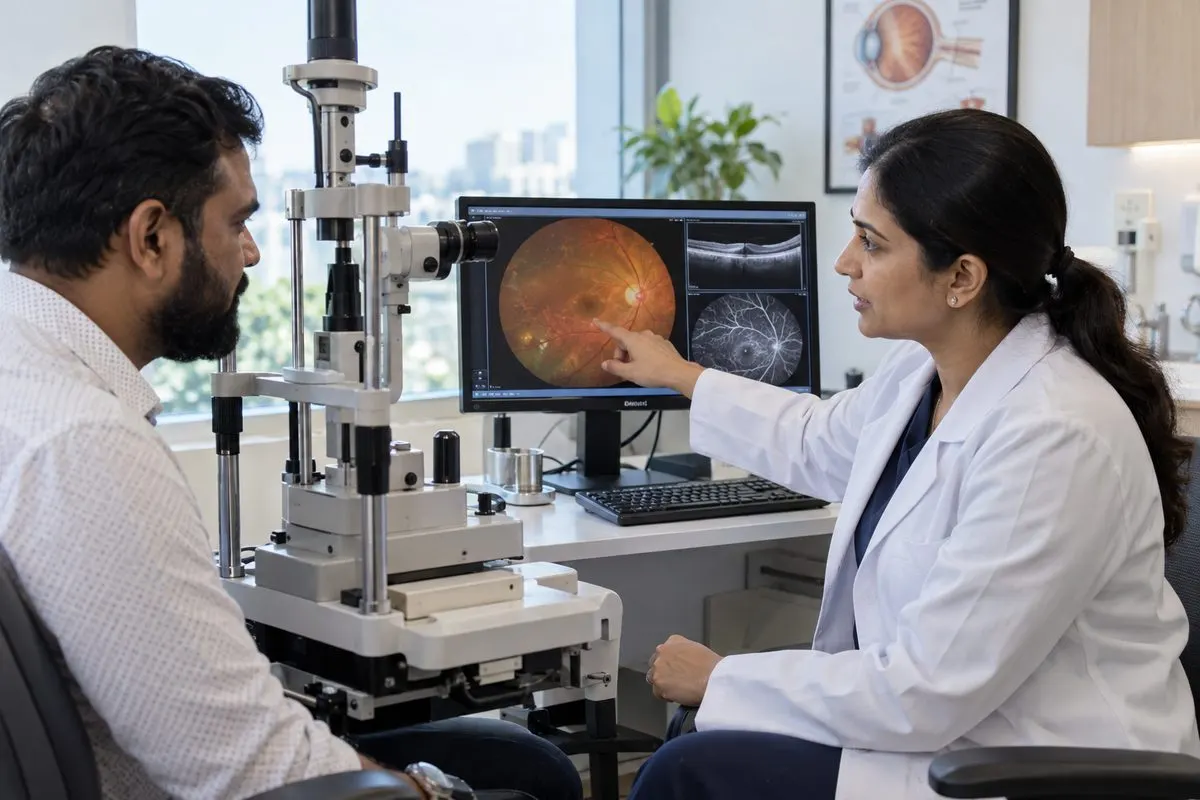
Pan-retinal photocoagulation (PRP) in India is a retinal laser treatment used mainly for proliferative diabetic retinopathy and selected other ischaemic retinal disorders in which abnormal new blood vessels threaten vision. The laser applies multiple burns to the peripheral retina to reduce the stimulus for neovascularisation and lower the risk of vitreous haemorrhage, tractional retinal detachment and severe visual loss.
Before treatment, patients usually undergo a retina-specialist examination with dilated fundoscopy and retinal imaging, commonly including optical coherence tomography (OCT). Fluorescein angiography or wide-field imaging may be added when the extent of retinal ischaemia or neovascularisation needs clarification. Macular oedema, previous retinal treatment and the activity of diabetic retinopathy also influence the plan.
PRP is commonly performed over one or more sessions. In selected patients it may be combined with intravitreal anti-VEGF therapy, particularly when active neovascularisation or macular disease is present. Temporary blurred vision, discomfort and reduced night or peripheral vision can occur, and treatment does not restore retinal tissue that has already been permanently damaged.
The cost of PRP in India depends on one or both eyes, number of sessions, retinal imaging and whether injections or other retinal procedures are required.
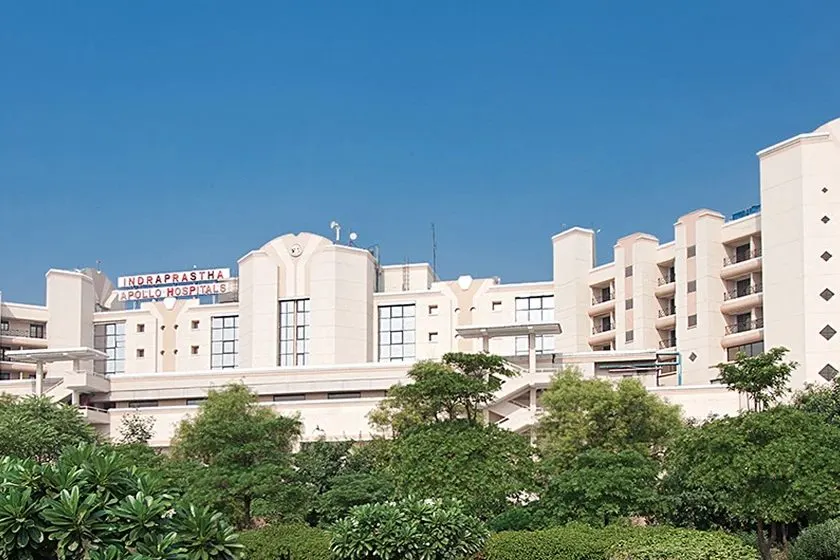
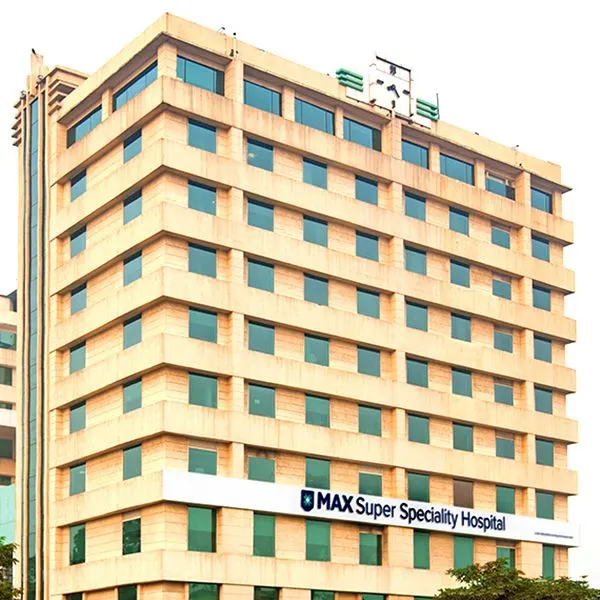
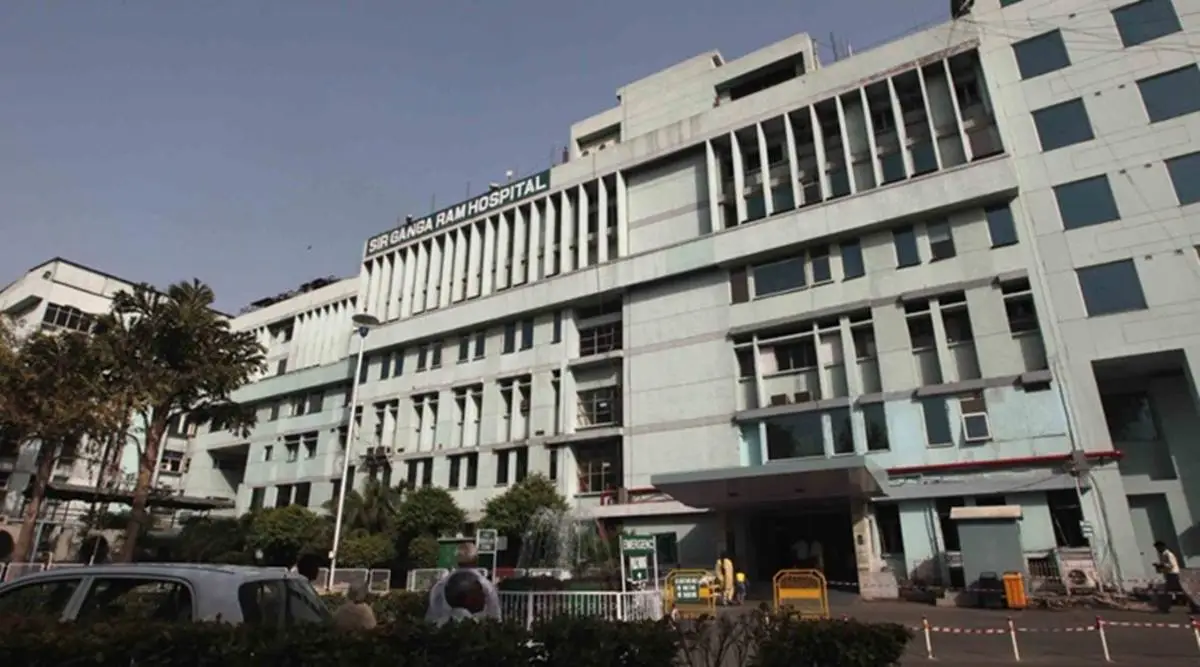
India offers access to vitreoretinal specialists and tertiary eye hospitals with OCT, wide-field imaging, retinal laser systems and surgical retina support. Medical Help India can connect you with a suitable healthcare partner whose retina team can review scans and advise on laser timing and additional treatment.
What's Included
Why consider treatment in India?
Access to experienced specialists
Advanced treatment and diagnostic options
More affordable hospital care
Shorter waiting times for treatment
Help comparing hospitals, plans and costs
Support with appointments, travel and follow-up
Cost in India
USDFinal costs depend on the medical assessment, hospital, room category and clinical needs.
How it works
Share your details
Tell us about your health concerns, age and current location.
Receive a call
We call you to discuss your situation, needs and questions.
Receive a treatment plan
Get information about the most suitable treatment plan, hospital and estimated cost.
Choose your plan
Review the options and agree on your care and travel plan.
Get full support
Receive full support throughout every stage of your care journey.
Receive care in India
Receive your planned care with support throughout your stay.
Top Hospitals for Pan-Retinal Photocoagulation (PRP)
View All Hospitals →


Top Doctors for Pan-Retinal Photocoagulation (PRP)
View All Doctors →
Dr. Amit Khosla
Ophthalmology & Vitreoretinal Surgery · 30+ yrs
Dr. Hema Rawal
Ophthalmology - Retina & Vitreous · 21+ yrs

Dr. Deependra V Singh
Ophthalmology - Retina & Vitreous · 30+ yrs

Dr. Sudeep Kishore Jain
Ophthalmology · 29+ yrs
Dr. Sanjeev Gupta
Ophthalmology · 29+ yrs

Dr. S P Chaudhary
Ophthalmology & Vitreo-Retina · 25+ yrs
Frequently Asked Questions
How much does Pan-Retinal Photocoagulation (PRP) cost in India?
Cost depends on one or both eyes, number of laser sessions, retinal imaging and whether anti-VEGF injections or other retinal treatment are required. Emergency or surgical treatment for vitreous haemorrhage or retinal detachment is separate.
Which medical reports are useful to have ready for Pan-Retinal Photocoagulation (PRP)?
Have ready: retina-specialist notes, OCT, fundus or wide-field images and fluorescein angiography if available. Include diabetes history and recent HbA1c where relevant, previous retinal laser or injections and any history of vitreous haemorrhage or retinal surgery.
What is PRP laser mainly used to treat?
PRP is used mainly for proliferative diabetic retinopathy and selected other ischaemic retinal conditions with abnormal new blood-vessel growth.
Can PRP be combined with anti-VEGF injections?
Yes. In selected patients with active neovascularisation or associated macular disease, the retina specialist may combine laser with intravitreal anti-VEGF treatment.
Can PRP affect peripheral or night vision?
Yes. Because laser is applied to peripheral retina, some reduction in peripheral visual field or night vision can occur even when treatment successfully reduces the risk of severe complications.

Our services are FREE
We connect you with leading hospitals and specialists in India. You pay the hospital directly.