

Pediatric Cochlear Implantation
Pediatric cochlear implantation in India after multidisciplinary audiology, hearing-aid benefit and ENT assessment, with surgery, device mapping and long-term communication rehabilitation.
Related Conditions
Our services are FREE and by using our services your hospital bill does not increase!
About Pediatric Cochlear Implantation
Pediatric cochlear implantation in India is considered for children with severe to profound sensorineural hearing loss who receive insufficient access to speech and environmental sound from appropriately fitted hearing aids. The goal is to provide electrical stimulation of the auditory nerve and support communication development; a cochlear implant does not restore normal hearing, and benefit varies between children.
Evaluation should be performed by a multidisciplinary cochlear-implant team and includes age-appropriate behavioural and objective audiology, hearing-aid verification and aided benefit testing, ENT assessment and review of speech, language and communication development. CT and/or MRI may be required to assess cochlear anatomy, the auditory nerve and conditions that affect surgical planning. The team also reviews the cause and duration of hearing loss, developmental conditions, vaccination status and whether unilateral or bilateral implantation is appropriate.
Surgery places the internal receiver and electrode array, followed after healing by external-processor activation and repeated programming or mapping. Auditory-verbal, speech-language or other communication rehabilitation is a core part of treatment, particularly in children who are developing spoken language. Risks include infection, device failure, facial-nerve injury, dizziness, taste disturbance, wound problems and rare meningitis; future MRI access depends on the implant system and manufacturer conditions. Acute meningitis symptoms, severe wound infection or new facial weakness require urgent local assessment.
Cost in India depends mainly on the implant and processor system, one versus two ears, audiology and imaging, surgery and anaesthesia, hospital stay, activation and mapping sessions and long-term rehabilitation. Replacement accessories, processor upgrades and ongoing programming should be distinguished from the initial surgical package.
India has tertiary ENT and hearing centres with paediatric otology, cochlear-implant surgeons, specialised audiology, speech-language rehabilitation and paediatric anaesthesia. Medical Help India is a connection platform that can connect medically stable international families with an appropriate healthcare partner to review hearing tests and imaging, assess candidacy and provide an individual implantation and rehabilitation cost estimate.
What's Included
Why consider treatment in India?
Access to experienced specialists
Advanced treatment and diagnostic options
More affordable hospital care
Shorter waiting times for treatment
Help comparing hospitals, plans and costs
Support with appointments, travel and follow-up
Cost in India
USDFinal costs depend on the medical assessment, hospital, room category and clinical needs.
How it works
Share your details
Tell us about your health concerns, age and current location.
Receive a call
We call you to discuss your situation, needs and questions.
Receive a treatment plan
Get information about the most suitable treatment plan, hospital and estimated cost.
Choose your plan
Review the options and agree on your care and travel plan.
Get full support
Receive full support throughout every stage of your care journey.
Receive care in India
Receive your planned care with support throughout your stay.
Top Hospitals for Pediatric Cochlear Implantation
View All Hospitals →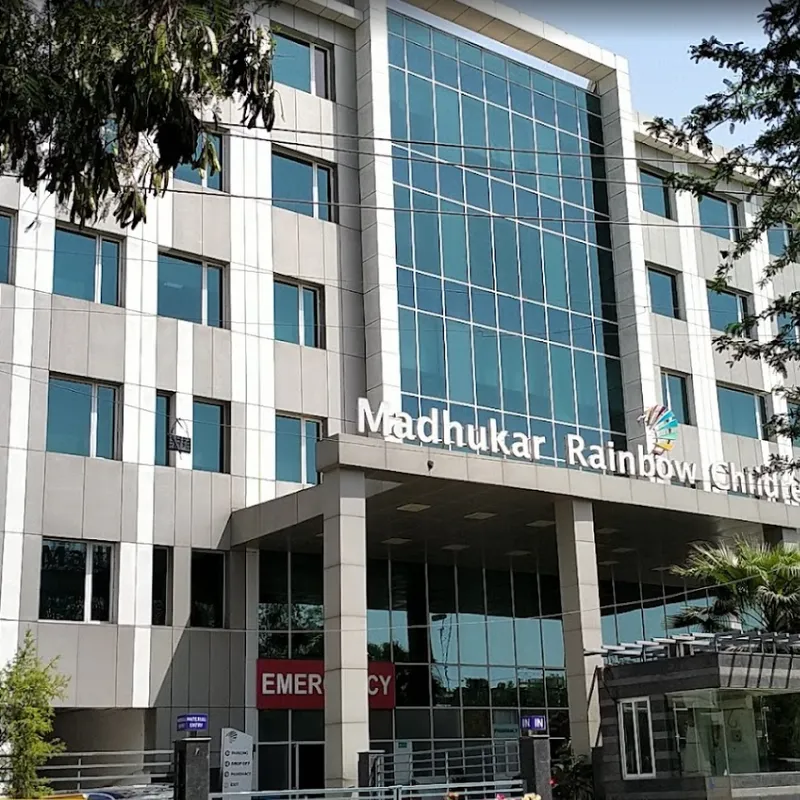
Top Doctors for Pediatric Cochlear Implantation
View All Doctors →
Frequently Asked Questions
How much does Pediatric Cochlear Implantation cost in India?
Cost depends mainly on the cochlear-implant and processor system, unilateral versus bilateral implantation, audiology and imaging, surgery and paediatric anaesthesia, hospital stay, activation and mapping sessions and rehabilitation. Ask for long-term programming, accessories and processor-upgrade costs to be distinguished from the initial implant package.
Which medical reports are useful to have ready for Pediatric Cochlear Implantation?
Have ready: unaided and aided audiograms or age-appropriate objective hearing tests, hearing-aid fitting and benefit records, speech-language or communication assessments and ENT notes. Include CT or MRI of the temporal bones and auditory pathway if already performed, the suspected cause and duration of hearing loss, current hearing devices and previous cochlear-implant candidacy assessments.
Which children may be considered for cochlear implantation?
Children with severe to profound sensorineural hearing loss and limited benefit from appropriately fitted hearing aids may be considered after a full implant assessment.
Does a cochlear implant restore normal hearing?
No. It provides electrical access to sound, and outcomes depend on age, auditory development, anatomy and consistent rehabilitation.
Why is rehabilitation needed after implantation?
Regular device mapping and auditory or speech-language rehabilitation help the child learn to interpret sound and develop communication skills.

Our services are FREE
We connect you with leading hospitals and specialists in India. You pay the hospital directly.