

Percutaneous Nephrolithotomy PCNL
PCNL in India for large or complex kidney stones, with CT-based stone planning, urine culture, percutaneous stone removal and specialist endourology care.
Related Conditions
Our services are FREE and by using our services your hospital bill does not increase!
About Percutaneous Nephrolithotomy PCNL
Percutaneous nephrolithotomy (PCNL) in India is a minimally invasive operation used mainly for large, complex or otherwise difficult kidney stones, including many stones larger than about 2 cm, staghorn calculi and stones unlikely to clear effectively with ureteroscopy or shock-wave treatment. Through a small tract created from the skin into the kidney, the surgeon uses a nephroscope to fragment and remove the stone burden.
Before treatment, patients usually undergo non-contrast CT or other detailed stone imaging, urine testing and kidney-function assessment. Urine culture is important because untreated infection can significantly increase the risk of postoperative sepsis. If there is an infected obstructed kidney, urgent drainage and antibiotics are required before definitive stone removal.
PCNL may use standard, mini or other tract sizes depending on stone burden, anatomy and surgeon preference. Some complex stones require more than one access tract or a staged procedure. Important risks include bleeding, infection or sepsis, injury to nearby structures, urine leakage, residual stones and the need for additional treatment.
The cost of PCNL in India depends on stone complexity, number of tracts, disposable equipment, anaesthesia, hospital stay and whether ureteroscopy or another procedure is combined.
India offers access to endourologists and tertiary urology centres with CT planning, endoscopic stone systems, laser or lithotripsy equipment and intensive-care support when needed. Medical Help India can connect you with a suitable healthcare partner to review CT imaging and advise on PCNL versus RIRS/ureteroscopy, shock-wave lithotripsy or another option.
What's Included
Why consider treatment in India?
Access to experienced specialists
Advanced treatment and diagnostic options
More affordable hospital care
Shorter waiting times for treatment
Help comparing hospitals, plans and costs
Support with appointments, travel and follow-up
Cost in India
USDFinal costs depend on the medical assessment, hospital, room category and clinical needs.
How it works
Share your details
Tell us about your health concerns, age and current location.
Receive a call
We call you to discuss your situation, needs and questions.
Receive a treatment plan
Get information about the most suitable treatment plan, hospital and estimated cost.
Choose your plan
Review the options and agree on your care and travel plan.
Get full support
Receive full support throughout every stage of your care journey.
Receive care in India
Receive your planned care with support throughout your stay.
Top Hospitals for Percutaneous Nephrolithotomy PCNL
View All Hospitals →
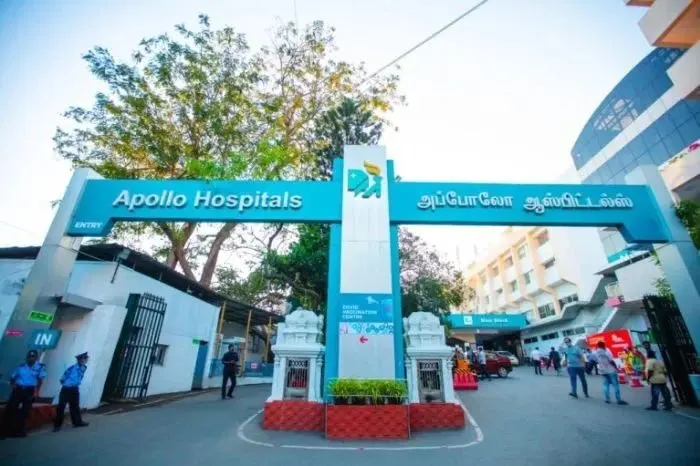

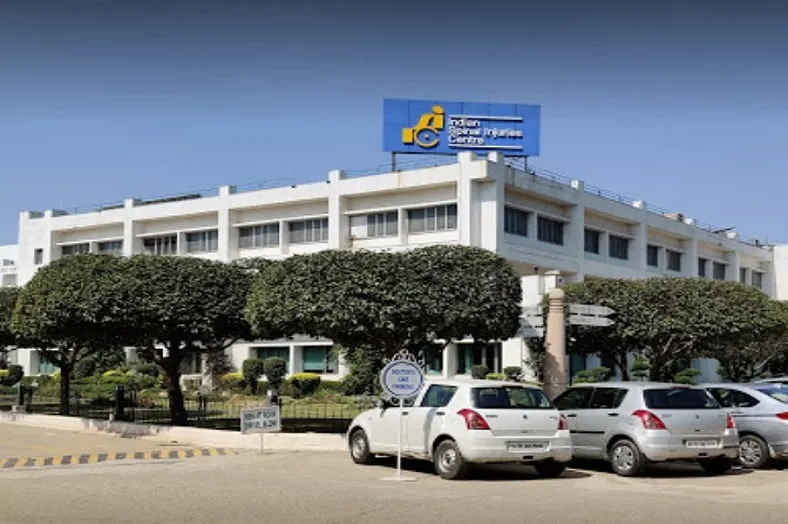
Top Doctors for Percutaneous Nephrolithotomy PCNL
View All Doctors →
Dr. (Col) S. V. Kotwal
Urology · 47+ yrs
Dr. (Col.) Rajesh Khanna
Urology · 29+ yrs

Dr. N. Ragavan
Urology, Robotic Surgery · 30+ yrs

Dr. Rajesh Ahlawat
Urology, Kidney Transplant, Uro-Oncology & Robotic Surgery · 41+ yrs

Dr. DVSLN Sharma
Urology · 28+ yrs

Dr. Anant Kumar
Urology, Kidney Transplant, Uro-Oncology & Robotic Surgery · 39+ yrs
Frequently Asked Questions
How much does Percutaneous Nephrolithotomy PCNL cost in India?
Cost depends on stone burden and complexity, number of access tracts, disposable equipment, lithotripsy system, anaesthesia, hospital stay and whether ureteroscopy or another procedure is combined. Staged treatment can increase the total.
Which medical reports are useful to have ready for Percutaneous Nephrolithotomy PCNL?
Have ready: recent non-contrast CT or other stone imaging, urine culture, urinalysis, kidney-function tests and urology notes. Include previous stone procedures, stents or nephrostomy tubes, stone-analysis results and any recent fever or urinary infection.
Which kidney stones are commonly treated with PCNL?
PCNL is commonly considered for large or complex renal stones, many stones over about 2 cm, staghorn calculi and stone burdens unlikely to clear effectively with less invasive treatment.
Why are CT and urine culture important before PCNL?
CT defines stone burden and access anatomy, while urine culture helps identify infection that must be treated because PCNL in an infected system can cause severe sepsis.
Can an infected obstructed kidney go directly to PCNL?
Usually not. Urgent drainage and antibiotics are generally required first, with definitive stone removal after infection and clinical instability are controlled.
Our services are FREE
We connect you with leading hospitals and specialists in India. You pay the hospital directly.