
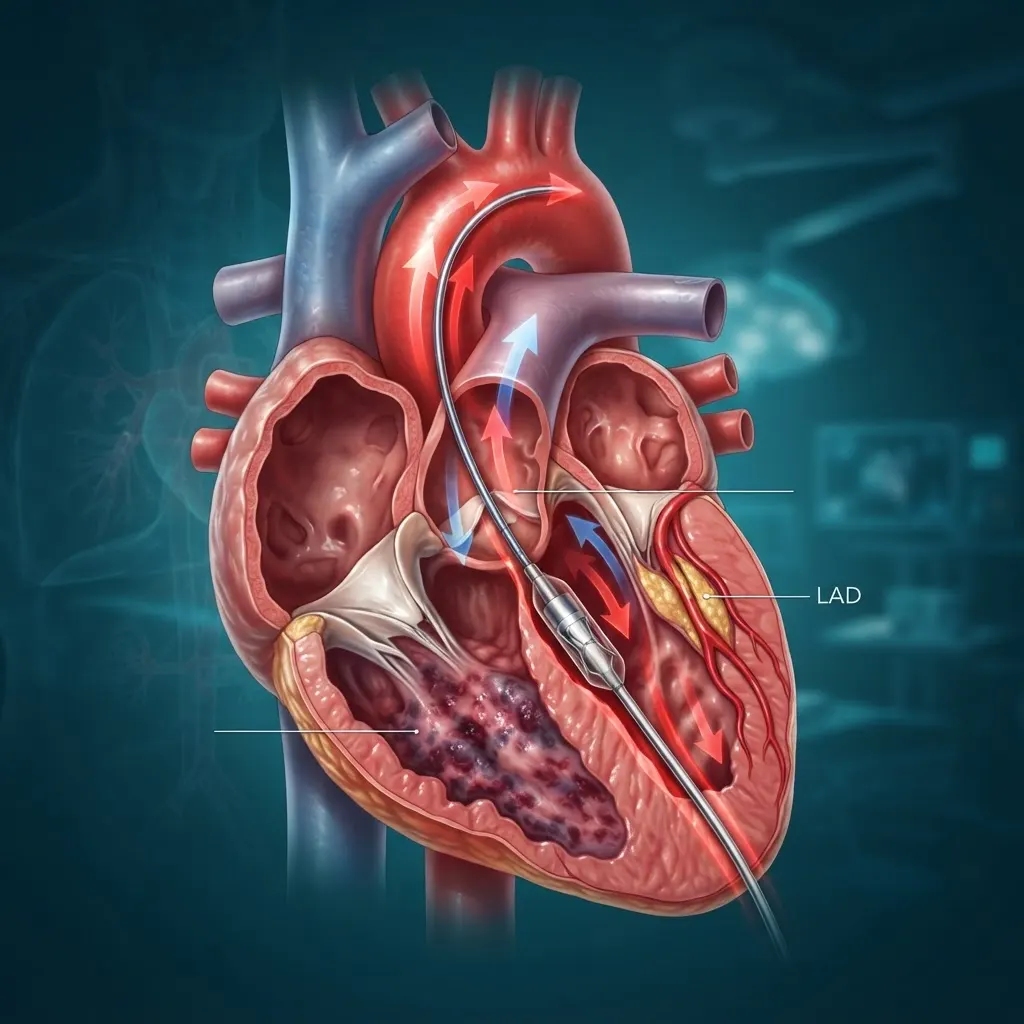
Pericardial Effusion Tamponade Pulmonary Respiratory Emergencies
Emergency pericardial effusion, cardiac tamponade and respiratory crises require immediate local stabilization; stable patients may later need specialist cardiac, pulmonary or critical-care follow-up in India.
Related Conditions
Our services are FREE and by using our services your hospital bill does not increase!
About Pericardial Effusion Tamponade Pulmonary Respiratory Emergencies
Pericardial effusion, cardiac tamponade and acute respiratory emergencies require immediate local hospital assessment and stabilization rather than planned medical travel. Cardiac tamponade occurs when fluid around the heart restricts cardiac filling and can cause shock, while acute respiratory emergencies may result from severe infection, airway obstruction, pulmonary embolism, pneumothorax, fluid overload or other critical causes.
Initial assessment may include bedside echocardiography, ECG, chest imaging, blood tests, oxygen monitoring and urgent critical-care review. Unstable tamponade may require emergency pericardiocentesis or surgical drainage. Respiratory failure may require oxygen, non-invasive or invasive ventilation, chest drainage, bronchoscopy, anticoagulation or other cause-specific treatment.
Severe breathlessness, low blood pressure, chest pain, fainting, altered consciousness, cyanosis or suspected tamponade are emergencies. Patients with active instability should use the nearest emergency service and should not delay treatment in order to travel abroad.
After stabilization, cost in India depends on the underlying diagnosis, emergency procedures, ICU duration, ventilation, imaging, specialist consultations, surgery or catheter-based intervention and subsequent hospital stay. Major tertiary hospitals in India provide cardiology, pulmonology, interventional, cardiothoracic and critical-care teams for complex follow-up or transfer of medically stable patients.
Medical Help India can connect medically stable international patients with an appropriate healthcare partner to review discharge summaries, echocardiography and imaging, plan further specialist care and obtain an individual hospital estimate.
What's Included
Why consider treatment in India?
Access to experienced specialists
Advanced treatment and diagnostic options
More affordable hospital care
Shorter waiting times for treatment
Help comparing hospitals, plans and costs
Support with appointments, travel and follow-up
Cost in India
USDFinal costs depend on the medical assessment, hospital, room category and clinical needs.
How it works
Share your details
Tell us about your health concerns, age and current location.
Receive a call
We call you to discuss your situation, needs and questions.
Receive a treatment plan
Get information about the most suitable treatment plan, hospital and estimated cost.
Choose your plan
Review the options and agree on your care and travel plan.
Get full support
Receive full support throughout every stage of your care journey.
Receive care in India
Receive your planned care with support throughout your stay.
Top Hospitals for Pericardial Effusion Tamponade Pulmonary Respiratory Emergencies
View All Hospitals →
Frequently Asked Questions
How much does Pericardial Effusion Tamponade Pulmonary Respiratory Emergencies cost in India?
After emergency stabilization, cost depends on the underlying diagnosis, echocardiography and imaging, pericardiocentesis or surgical drainage when required, oxygen or ventilatory support, ICU duration, specialist procedures and total hospital stay. Active instability requires immediate local care rather than overseas cost planning.
Which medical reports are useful to have ready for Pericardial Effusion Tamponade Pulmonary Respiratory Emergencies?
For post-stabilization review, send emergency and discharge summaries, echocardiography, ECG, chest imaging, CT or pulmonary imaging when performed, relevant blood tests and procedure reports such as pericardiocentesis or chest drainage. Include the diagnosed cause, current oxygen requirement, medicines and whether the patient is medically stable for transfer.
Which symptoms mean a pericardial or respiratory emergency needs immediate care?
Severe breathlessness, low blood pressure, chest pain, fainting, altered consciousness, cyanosis or suspected cardiac tamponade require immediate local emergency assessment rather than planned travel.
How is cardiac tamponade assessed and treated?
Urgent clinical assessment and echocardiography are central. An unstable patient may need emergency pericardiocentesis or surgical drainage together with resuscitation and treatment of the underlying cause.
What treatment may be needed for acute respiratory failure?
Treatment depends on the cause and may include oxygen, non-invasive or invasive ventilation, chest drainage, bronchoscopy, anticoagulation or another urgent cause-specific intervention.

Our services are FREE
We connect you with leading hospitals and specialists in India. You pay the hospital directly.