
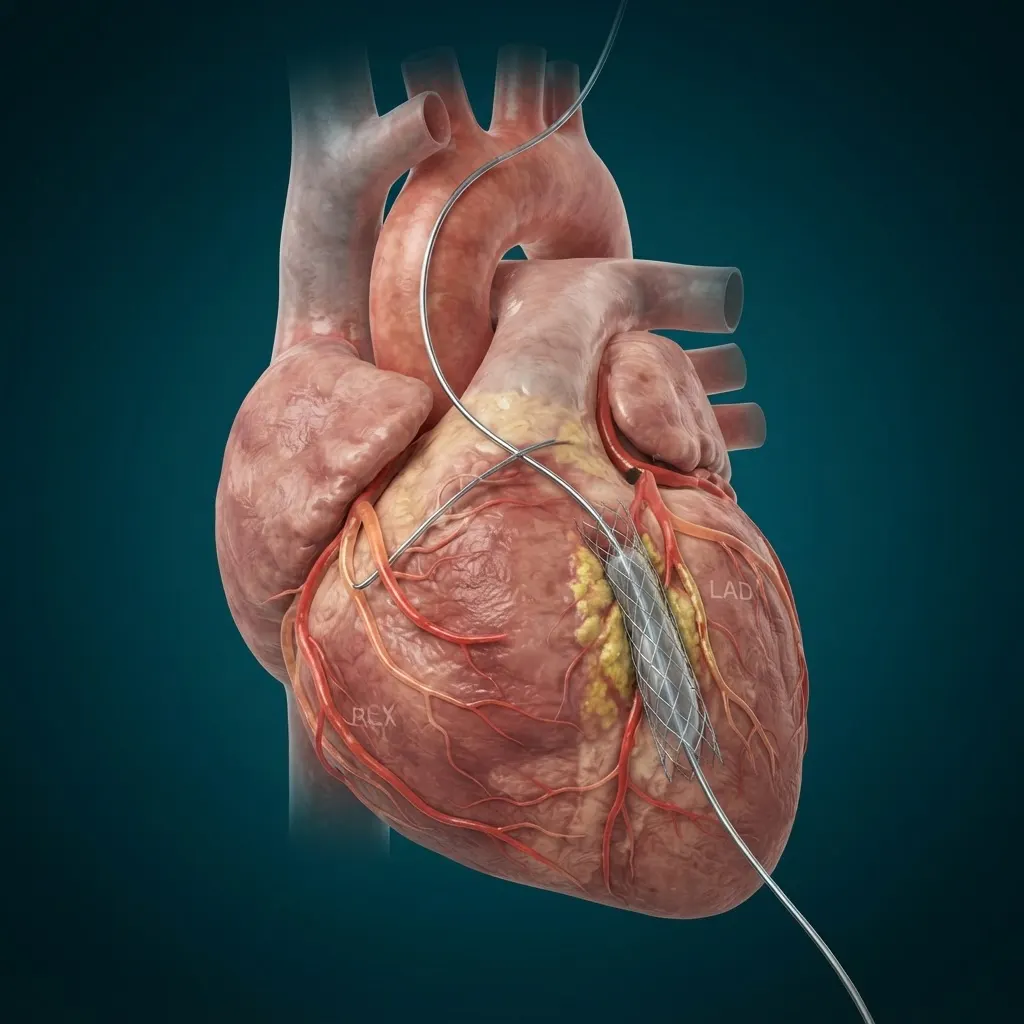
Rotational Atherectomy
Rotational atherectomy in India for heavily calcified coronary lesions during PCI, with angiography, IVUS/OCT-guided calcium modification and stent treatment when appropriate.
Related Conditions
Our services are FREE and by using our services your hospital bill does not increase!
About Rotational Atherectomy
Rotational atherectomy in India is a specialised coronary intervention used during percutaneous coronary intervention (PCI) when a coronary artery contains severe calcification that may prevent balloons or stents from expanding properly. A rapidly rotating diamond-coated burr modifies hardened calcium so the lesion can be prepared for balloon dilatation and stent implantation. It is not a stand-alone procedure for simply “removing plaque” from the arteries.
Before treatment, patients usually undergo a cardiology and interventional-cardiology assessment with coronary angiography. Intravascular ultrasound (IVUS) or optical coherence tomography (OCT) may be used to define the amount and distribution of calcium and help select the most appropriate calcium-modification strategy. Kidney function, bleeding risk, current antiplatelet treatment and overall heart function are also reviewed.
During PCI, the atherectomy burr is advanced across the calcified narrowing before ballooning and stenting. Other calcium-modification technologies, including intravascular lithotripsy or specialised balloons, may be preferred or combined in selected lesions. Important risks include coronary dissection or perforation, slow or no-reflow, arrhythmia, heart attack, bleeding and contrast-related kidney injury. Acute coronary syndromes require urgent local cardiac care and should not be delayed for planned travel.
The cost of rotational atherectomy in India depends on lesion complexity, atherectomy equipment, number and type of stents, intravascular imaging, hospital stay and additional PCI devices.
India offers access to interventional cardiologists and complex-PCI centres at tertiary cardiac hospitals with rotational atherectomy, IVUS/OCT and advanced cath-lab support. Medical Help India can connect medically stable patients with a suitable healthcare partner whose team can review coronary angiography and previous cardiac records and advise on appropriate next steps.
What's Included
Why consider treatment in India?
Access to experienced specialists
Advanced treatment and diagnostic options
More affordable hospital care
Shorter waiting times for treatment
Help comparing hospitals, plans and costs
Support with appointments, travel and follow-up
Cost in India
USDFinal costs depend on the medical assessment, hospital, room category and clinical needs.
How it works
Share your details
Tell us about your health concerns, age and current location.
Receive a call
We call you to discuss your situation, needs and questions.
Receive a treatment plan
Get information about the most suitable treatment plan, hospital and estimated cost.
Choose your plan
Review the options and agree on your care and travel plan.
Get full support
Receive full support throughout every stage of your care journey.
Receive care in India
Receive your planned care with support throughout your stay.
Top Hospitals for Rotational Atherectomy
View All Hospitals →



Top Doctors for Rotational Atherectomy
View All Doctors →
Dr. Viney Jetley
Interventional Cardiology & Electrophysiology · 28+ yrs

Dr. Sunil Wani
Adult Interventional Cardiology · 21+ yrs
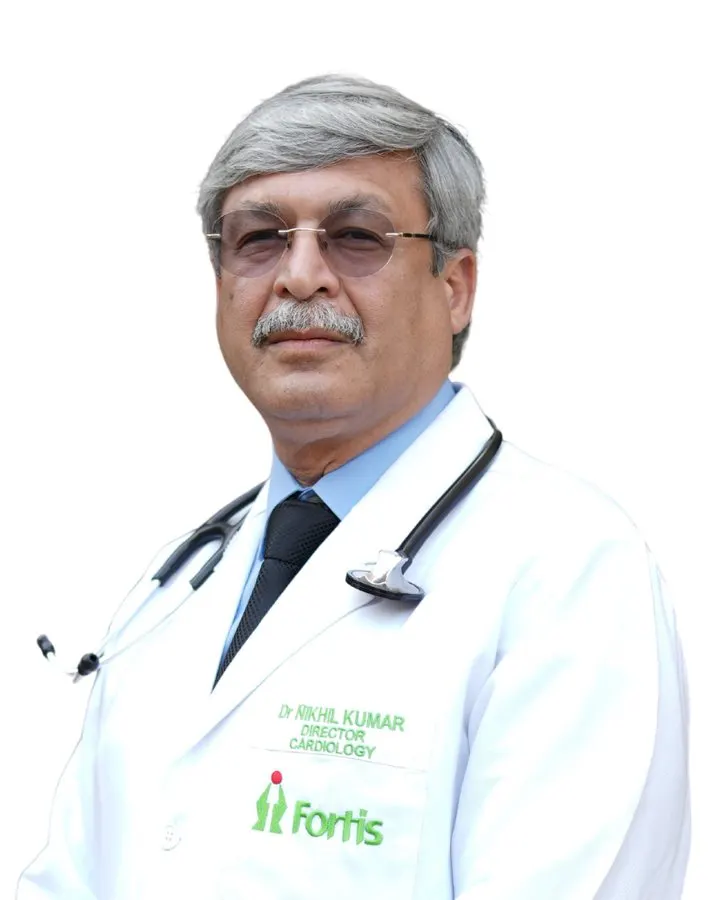
Dr. Nikhil Kumar
Interventional, Clinical & Preventive Cardiology · 39+ yrs

Dr Harikrishnan Parthasarathy
Interventional Cardiology · 21+ yrs
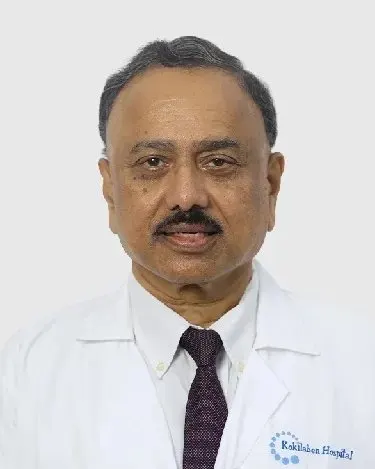
Dr Ghanshyam Kane
Interventional Cardiology · 40+ yrs
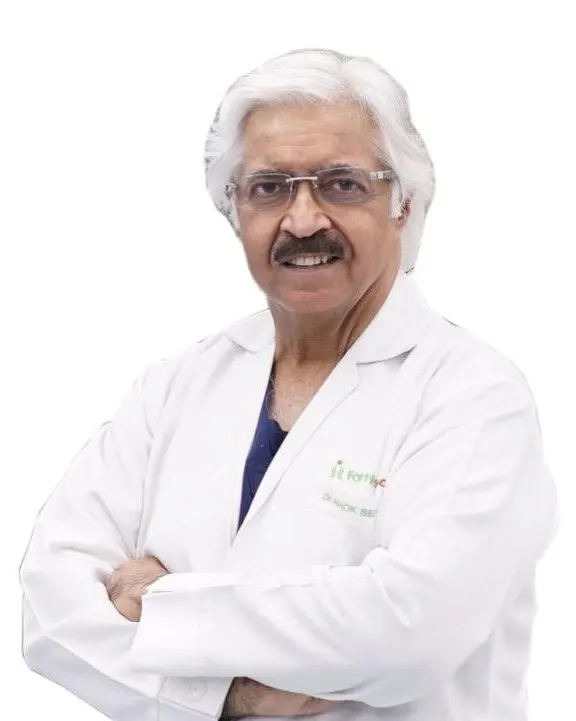
Dr. Ashok Seth
Interventional Cardiology · 40+ yrs
Frequently Asked Questions
How much does Rotational Atherectomy cost in India?
Cost depends on coronary-lesion complexity, atherectomy equipment, intravascular imaging, number and type of stents, additional PCI devices and hospital stay. Emergency coronary treatment should not be delayed while seeking an overseas estimate.
Which medical reports are useful to have ready for Rotational Atherectomy?
Have ready: coronary angiography images and report, IVUS or OCT findings if available, previous stent or bypass records, echocardiography and current cardiac medicines. Include kidney-function tests and the interventional cardiologist’s proposed PCI strategy.
Why is rotational atherectomy used during PCI?
It is used to modify severe coronary calcium when standard balloons may not expand the lesion adequately, helping prepare the artery for balloon dilatation and stent implantation.
Is rotational atherectomy the same as removing all plaque from an artery?
No. The procedure modifies calcified plaque to facilitate PCI; it does not simply clean the artery or remove all atherosclerotic material.
What imaging can help plan treatment of a calcified coronary lesion?
IVUS or OCT can show the depth, arc and distribution of coronary calcium and help the interventional team choose among atherectomy, lithotripsy, specialised balloons and other PCI tools.

Our services are FREE
We connect you with leading hospitals and specialists in India. You pay the hospital directly.