
Septic Shock Emergency Treatment
Septic shock requires immediate local emergency and ICU care. In India, tertiary hospitals provide infection control, vasopressor and organ-support treatment for severe cases.
Related Conditions
Our services are FREE and by using our services your hospital bill does not increase!
About Septic Shock Emergency Treatment
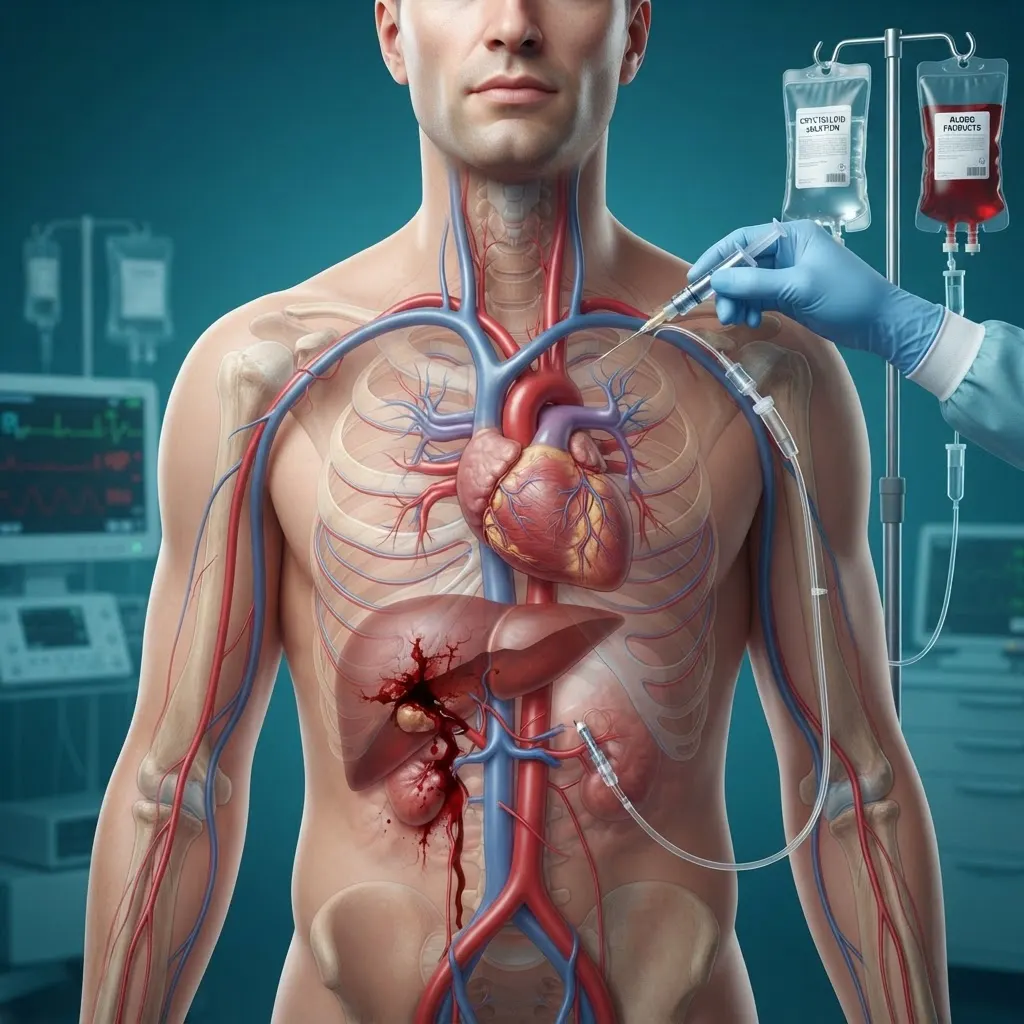
Septic shock treatment in India is emergency intensive-care treatment for life-threatening organ dysfunction caused by a severe infection and dangerously low blood pressure or impaired circulation. Suspected septic shock requires immediate emergency care where the patient is located and is not appropriate for planned medical travel. Early treatment focuses on rapid recognition, intravenous antibiotics, fluid resuscitation, blood-pressure support and identification of the infection source.
Hospital assessment usually includes blood tests, blood cultures and other microbiology samples, lactate measurement, kidney and liver function, coagulation testing and imaging directed at the suspected source of infection. Patients may require vasopressors, oxygen or mechanical ventilation, renal-replacement therapy and other organ support. Source control can involve drainage of an abscess, removal of an infected device or urgent surgery when clinically required.
The cost of septic shock care in India varies widely according to ICU duration, organ-support requirements, medicines, procedures, surgery, microbiology testing and complications. A meaningful estimate is usually possible only after the patient has been assessed and stabilised.
India has tertiary hospitals with critical-care, infectious-disease, microbiology, surgical and organ-support services for severe sepsis and septic shock. For a medically stable survivor seeking further care, teams can review complications, rehabilitation needs and follow-up after prolonged critical illness.
Medical Help India can connect stable patients or families seeking a second opinion with a suitable healthcare partner whose team can review ICU summaries and advise on further care. Emergency treatment must never be delayed for international travel or cost comparison.
What's Included
Why consider treatment in India?
Access to experienced specialists
Advanced treatment and diagnostic options
More affordable hospital care
Shorter waiting times for treatment
Help comparing hospitals, plans and costs
Support with appointments, travel and follow-up
Cost in India
USDFinal costs depend on the medical assessment, hospital, room category and clinical needs.
How it works
Share your details
Tell us about your health concerns, age and current location.
Receive a call
We call you to discuss your situation, needs and questions.
Receive a treatment plan
Get information about the most suitable treatment plan, hospital and estimated cost.
Choose your plan
Review the options and agree on your care and travel plan.
Get full support
Receive full support throughout every stage of your care journey.
Receive care in India
Receive your planned care with support throughout your stay.
Top Hospitals for Septic Shock Emergency Treatment
View All Hospitals →
Top Doctors for Septic Shock Emergency Treatment
View All Doctors →
Frequently Asked Questions
How much does Septic Shock Emergency Treatment cost in India?
Costs depend on ICU duration, antibiotics and other medicines, vasopressors, ventilation or renal support, procedures for infection source control and complications. Emergency treatment must start immediately; a reliable estimate usually follows initial assessment and stabilisation.
Which medical reports are useful to have ready for Septic Shock Emergency Treatment?
For review after stabilisation, send the emergency and ICU summaries, culture and microbiology results, major blood-test trends, imaging, procedure or surgery reports and current organ-support details. Include the suspected infection source and current clinical status.
Is septic shock suitable for planned medical travel to India?
No. Septic shock is a life-threatening emergency that requires immediate treatment where the patient is located. International transfer should be considered only after stabilisation and coordination between treating medical teams.
What treatments may be needed for septic shock?
Treatment can include rapid intravenous antibiotics, fluids, vasopressors, oxygen or ventilation, kidney support and urgent procedures or surgery to control the source of infection.
What determines recovery after septic shock?
Recovery depends on the infection source, number and severity of affected organs, response to treatment, age and other medical conditions. Some survivors need rehabilitation after prolonged critical illness.

Our services are FREE
We connect you with leading hospitals and specialists in India. You pay the hospital directly.