
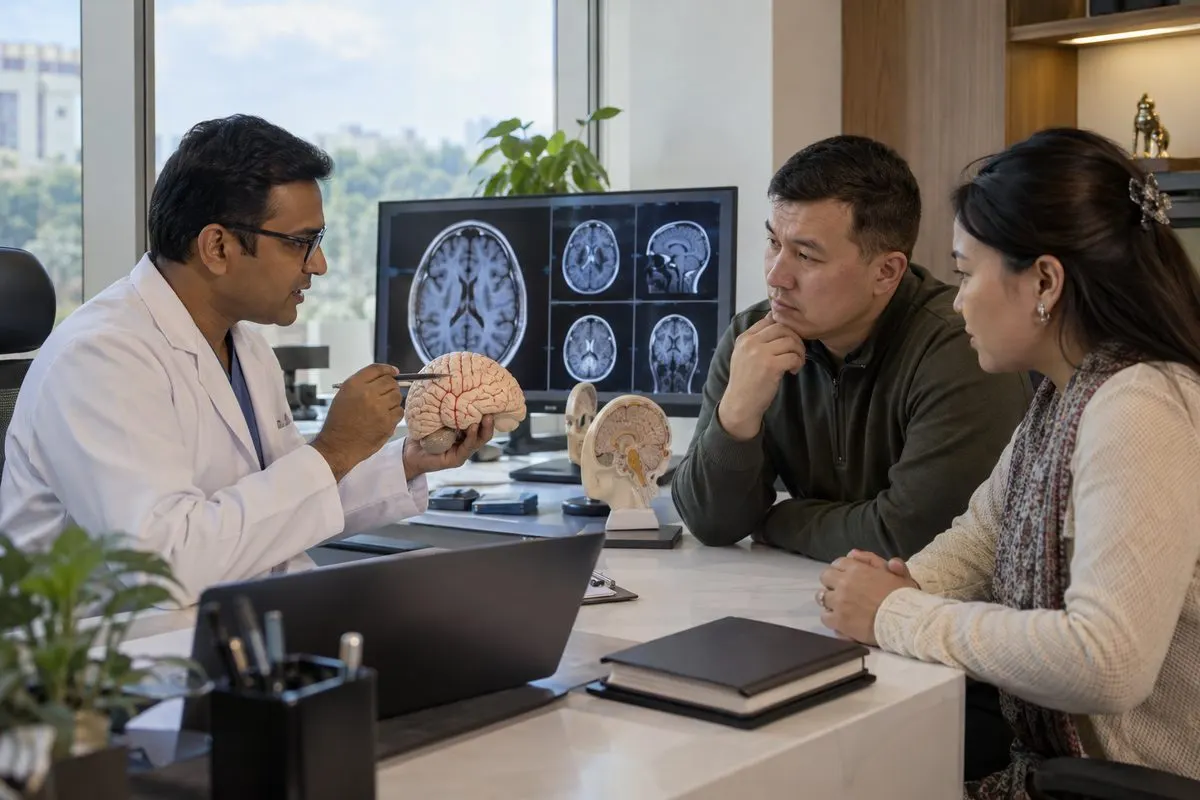
Skull Base Surgery
Skull base surgery in India for selected complex tumours and lesions, with MRI/CT planning, endoscopic or open approaches and multidisciplinary neurosurgical care.
Related Conditions
Our services are FREE and by using our services your hospital bill does not increase!
About Skull Base Surgery
Skull base surgery in India is used for selected tumours and other lesions located where the brain, cranial nerves, major blood vessels, sinuses and upper neck structures meet. Conditions can include pituitary and parasellar tumours, meningiomas, chordomas, schwannomas and selected other skull-base lesions. The safest approach depends on tumour type, exact location, relationship to cranial nerves and vessels, and whether the lesion extends into the nose, sinuses or brain cavity.
Before surgery, patients usually undergo a multidisciplinary skull-base assessment with contrast MRI and CT, and vascular imaging such as CT angiography, MR angiography or catheter angiography may be required when major vessels are involved. Endocrine, hearing, vision or cranial-nerve testing may also be relevant depending on the lesion. Pathology from previous biopsy or surgery should be reviewed when available.
Surgery may use an endoscopic endonasal approach, open cranial approach or combined technique. The goal is maximal safe removal or biopsy while protecting neurological and vascular function. Important risks include cerebrospinal-fluid leak, infection, cranial-nerve deficits, hormonal problems, vascular injury and the need for further surgery, radiotherapy or other treatment.
The cost of skull base surgery in India depends on lesion complexity, surgical approach, navigation or monitoring, ICU care, pathology and length of stay.
India offers access to skull-base neurosurgeons, ENT skull-base surgeons, neuroradiologists and multidisciplinary neuro-oncology teams at tertiary hospitals. Compare specialist experience, approach selection and estimated costs. Medical Help India can connect you with a suitable healthcare partner whose team can review your MRI, CT, pathology and previous treatment and advise on appropriate next steps.
What's Included
Why consider treatment in India?
Access to experienced specialists
Advanced treatment and diagnostic options
More affordable hospital care
Shorter waiting times for treatment
Help comparing hospitals, plans and costs
Support with appointments, travel and follow-up
Cost in India
USDFinal costs depend on the medical assessment, hospital, room category and clinical needs.
How it works
Share your details
Tell us about your health concerns, age and current location.
Receive a call
We call you to discuss your situation, needs and questions.
Receive a treatment plan
Get information about the most suitable treatment plan, hospital and estimated cost.
Choose your plan
Review the options and agree on your care and travel plan.
Get full support
Receive full support throughout every stage of your care journey.
Receive care in India
Receive your planned care with support throughout your stay.
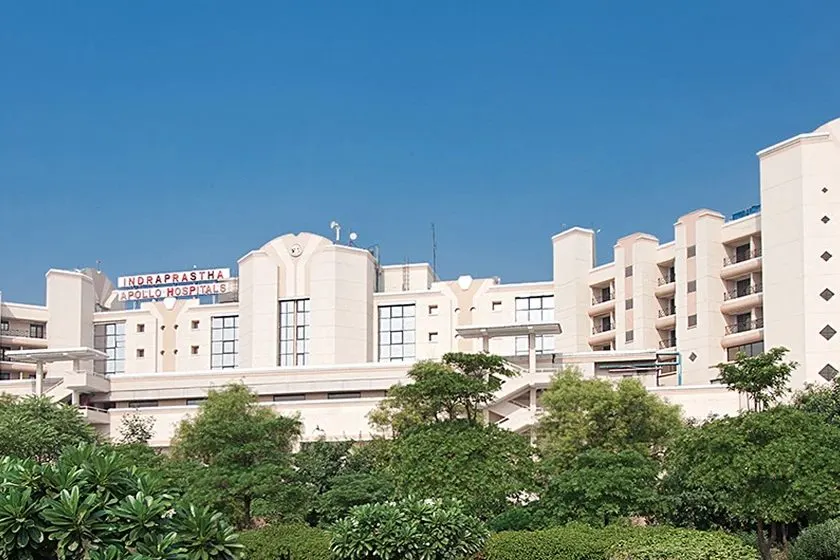
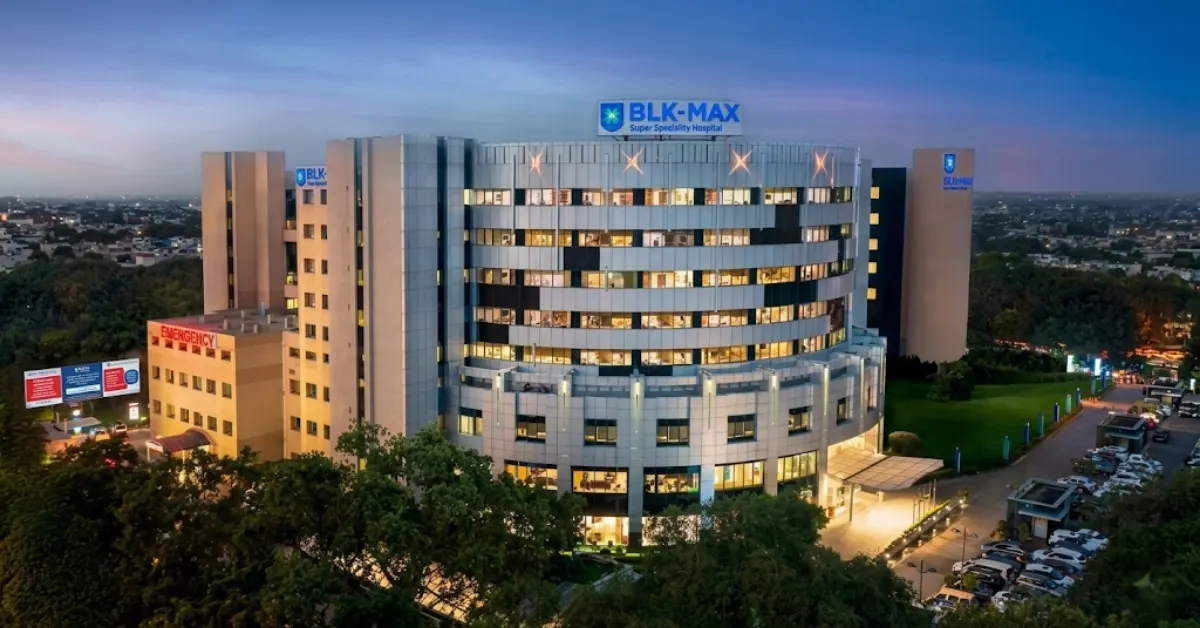
Top Hospitals for Skull Base Surgery
View All Hospitals →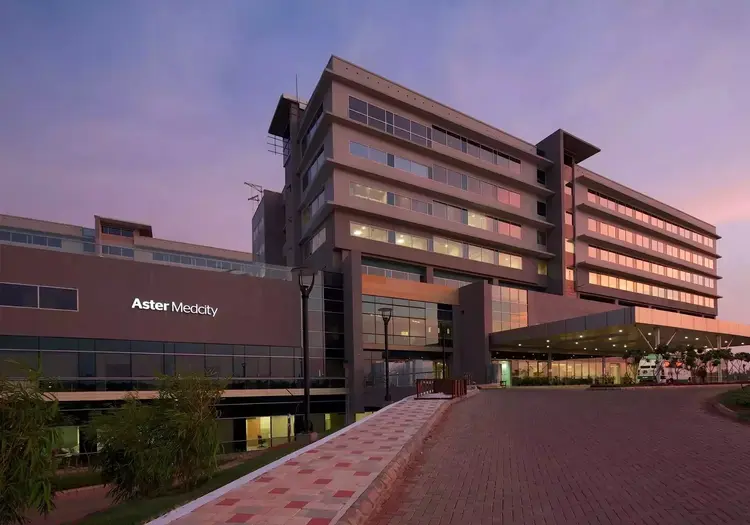


Top Doctors for Skull Base Surgery
View All Doctors →
Dr. Shanti Shankar Praharaj
Neurosurgery · 30+ yrs

Dr. Ashok Gupta
ENT, Cochlear Implant & ENT Oncology · 37+ yrs

Dr. H K Susheen Dutt
ENT, Cochlear Implant & Skull Base Surgery · 20+ yrs
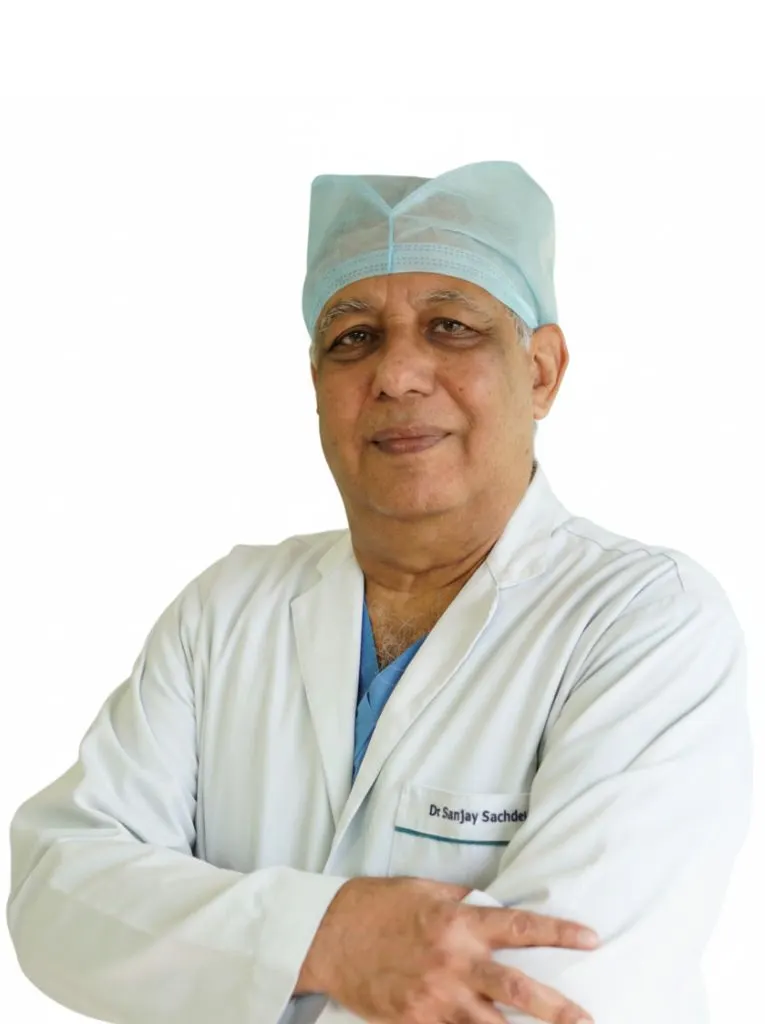
Dr. Sanjay Sachdeva
ENT, Cochlear Implant & Skull Base Surgery · 40+ yrs
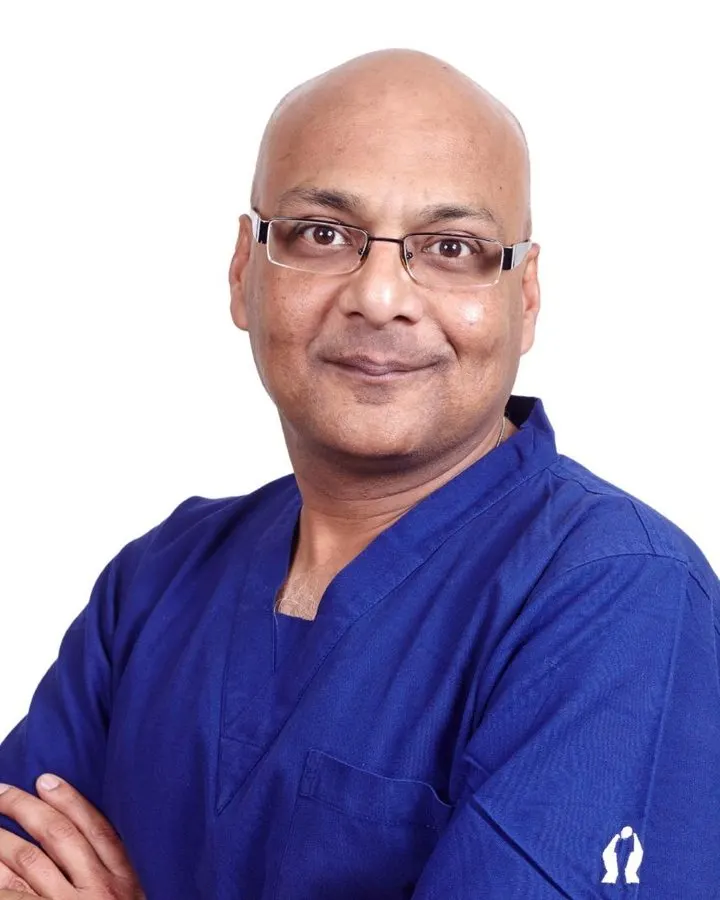
Dr. Atul Kumar Mittal
ENT (Ear, Nose and Throat) · 33+ yrs

Dr. (Prof) Deepu Banerji
Neurosurgery · 40+ yrs
Frequently Asked Questions
How much does Skull Base Surgery cost in India?
Cost depends on lesion type and location, endoscopic versus open approach, navigation or neuromonitoring, ICU care, pathology and length of stay. Additional radiotherapy, endocrine care or rehabilitation may be separate from the surgical estimate.
Which medical reports are useful to have ready for Skull Base Surgery?
Have ready: contrast MRI and CT images and reports, any vascular imaging, pathology or biopsy results and previous skull-base or neurosurgical treatment records. Include vision, hearing, endocrine or cranial-nerve assessments when relevant.
What conditions may require skull base surgery?
Selected pituitary and parasellar tumours, meningiomas, chordomas, schwannomas and other lesions at the junction of the brain, cranial nerves, blood vessels and sinuses may require skull-base surgery.
What is the difference between endoscopic and open skull base surgery?
Endoscopic endonasal surgery reaches selected lesions through the nose and sinuses, while open cranial approaches use an external skull opening. Some complex cases need a combined approach.
Why is multidisciplinary planning important for skull base surgery?
These lesions may involve cranial nerves, major vessels, the pituitary gland, vision, hearing and the nasal sinuses, so neurosurgery, ENT, radiology, pathology and other specialists often need to coordinate care.
Our services are FREE
We connect you with leading hospitals and specialists in India. You pay the hospital directly.