
SMILE Eye Surgery
SMILE eye surgery in India for selected myopia and astigmatism, with corneal mapping, femtosecond-laser treatment and comparison with LASIK or PRK when appropriate.
Related Conditions
Our services are FREE and by using our services your hospital bill does not increase!
About SMILE Eye Surgery
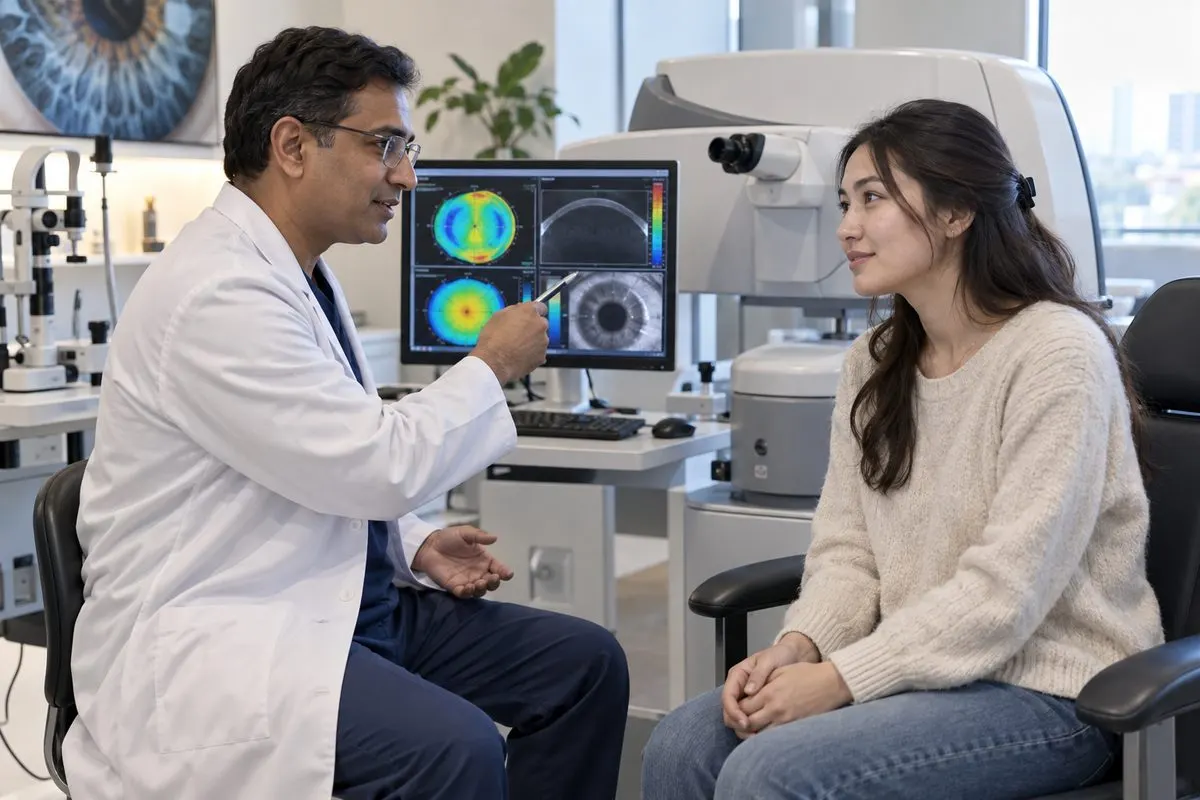
SMILE eye surgery in India (Small Incision Lenticule Extraction) is a flapless laser vision-correction procedure used mainly for selected patients with myopia and astigmatism. A femtosecond laser creates a thin disc of corneal tissue, called a lenticule, inside the cornea; the surgeon removes it through a small incision to reshape the cornea and reduce dependence on glasses or contact lenses.
Before treatment, patients usually undergo a refractive-surgery assessment with stable refraction, corneal topography or tomography, pachymetry and a detailed eye examination. The surgeon reviews corneal shape and thickness, dry-eye symptoms, previous eye surgery and whether the prescription falls within an appropriate treatment range. Contact lenses may need to be stopped before measurements according to clinic instructions.
SMILE avoids creating a LASIK flap, but it is not automatically the best option for every patient. The surgeon should compare SMILE, LASIK and PRK based on corneal anatomy, prescription, lifestyle and ocular-surface health. Risks can include dry-eye symptoms, glare or halos, under- or over-correction, infection, inflammation and the need for enhancement.
The cost of SMILE in India depends on whether one or both eyes are treated, laser platform, surgeon, preoperative testing, medicines and follow-up.
India offers access to refractive and corneal surgeons at specialist eye hospitals with femtosecond-laser platforms and advanced corneal diagnostics. Compare SMILE centres, surgeon experience and estimated costs. Medical Help India can connect you with a suitable healthcare partner whose eye team can review your prescription and corneal measurements and advise on appropriate next steps.
What's Included
Why consider treatment in India?
Access to experienced specialists
Advanced treatment and diagnostic options
More affordable hospital care
Shorter waiting times for treatment
Help comparing hospitals, plans and costs
Support with appointments, travel and follow-up
Cost in India
USDFinal costs depend on the medical assessment, hospital, room category and clinical needs.
How it works
Share your details
Tell us about your health concerns, age and current location.
Receive a call
We call you to discuss your situation, needs and questions.
Receive a treatment plan
Get information about the most suitable treatment plan, hospital and estimated cost.
Choose your plan
Review the options and agree on your care and travel plan.
Get full support
Receive full support throughout every stage of your care journey.
Receive care in India
Receive your planned care with support throughout your stay.
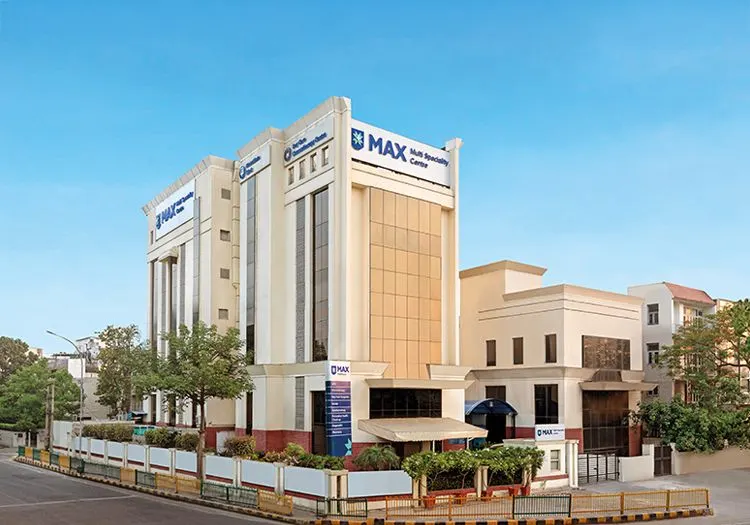
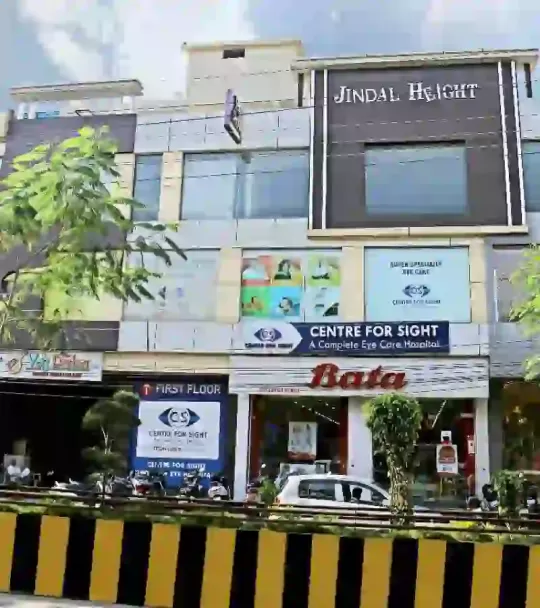
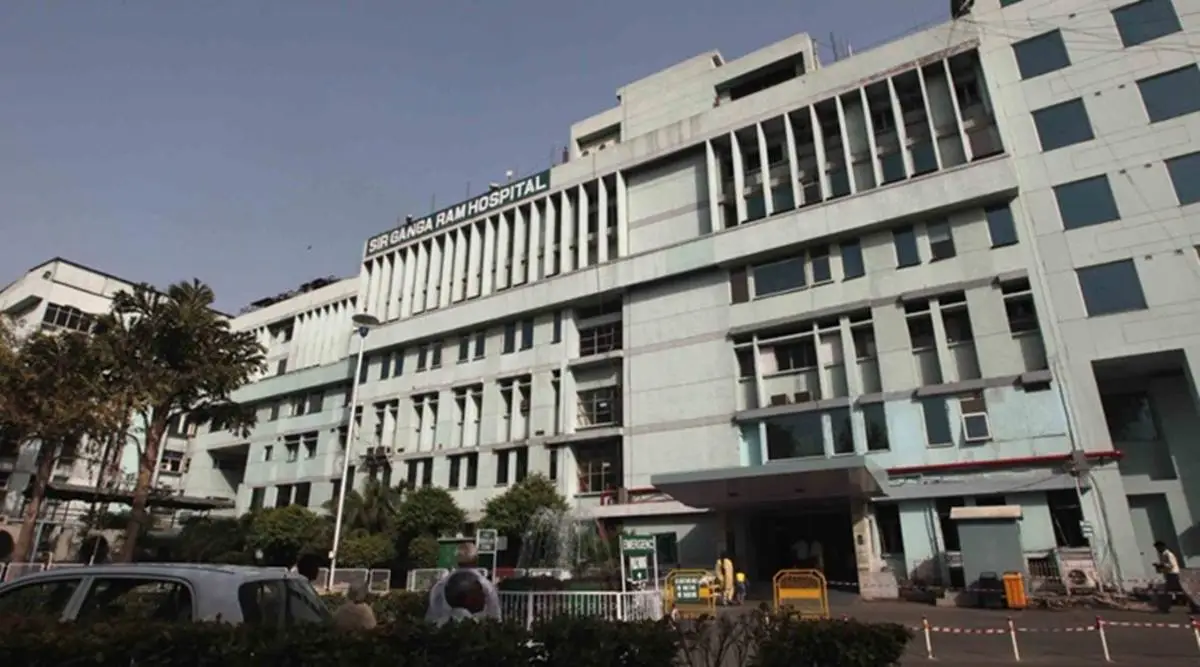
Top Hospitals for SMILE Eye Surgery
View All Hospitals →

Top Doctors for SMILE Eye Surgery
View All Doctors →
Dr. Shardini Vyas
Ophthalmology - Cornea, Cataract & Refractive Surgery · 30+ yrs

Dr. Satya Karna
Eye Care / Ophthalmology, Neuro-Ophthalmology · 28+ yrs
Dr. Madhu Karna
Ophthalmology · 27+ yrs

Dr. Bibhas H Shah
Ophthalmology - Refractive, Cataract & Keratoconus · 38+ yrs

Dr. Amit Khosla
Ophthalmology & Vitreoretinal Surgery · 30+ yrs
Frequently Asked Questions
How much does SMILE Eye Surgery cost in India?
Cost depends on whether one or both eyes are treated, femtosecond-laser platform, preoperative corneal testing, surgeon, medications and postoperative visits. Enhancement or treatment for other eye conditions may be separate.
Which medical reports are useful to have ready for SMILE Eye Surgery?
Have ready: current refraction or glasses prescription, previous refraction records if available, corneal topography or tomography and pachymetry if already performed, plus any prior eye-surgery records. Include dry-eye or corneal-disease history.
How is SMILE different from LASIK?
SMILE reshapes the cornea by removing a laser-created lenticule through a small incision and does not create a LASIK-style corneal flap.
Who may be suitable for SMILE eye surgery?
Suitability depends on prescription, stable refraction, corneal thickness and shape, ocular-surface health and other eye findings assessed during refractive-surgery testing.
Can SMILE treat every type of refractive error?
No. SMILE is mainly used for selected myopia and astigmatism. LASIK, PRK or another option may be more appropriate depending on the prescription and corneal findings.

Our services are FREE
We connect you with leading hospitals and specialists in India. You pay the hospital directly.