
Spinal Fusion
Spinal fusion in India with MRI- and X-ray-based specialist assessment and implant-supported stabilization for selected instability, deformity, spondylolisthesis or reconstructive cases.
Related Conditions
Our services are FREE and by using our services your hospital bill does not increase!
About Spinal Fusion
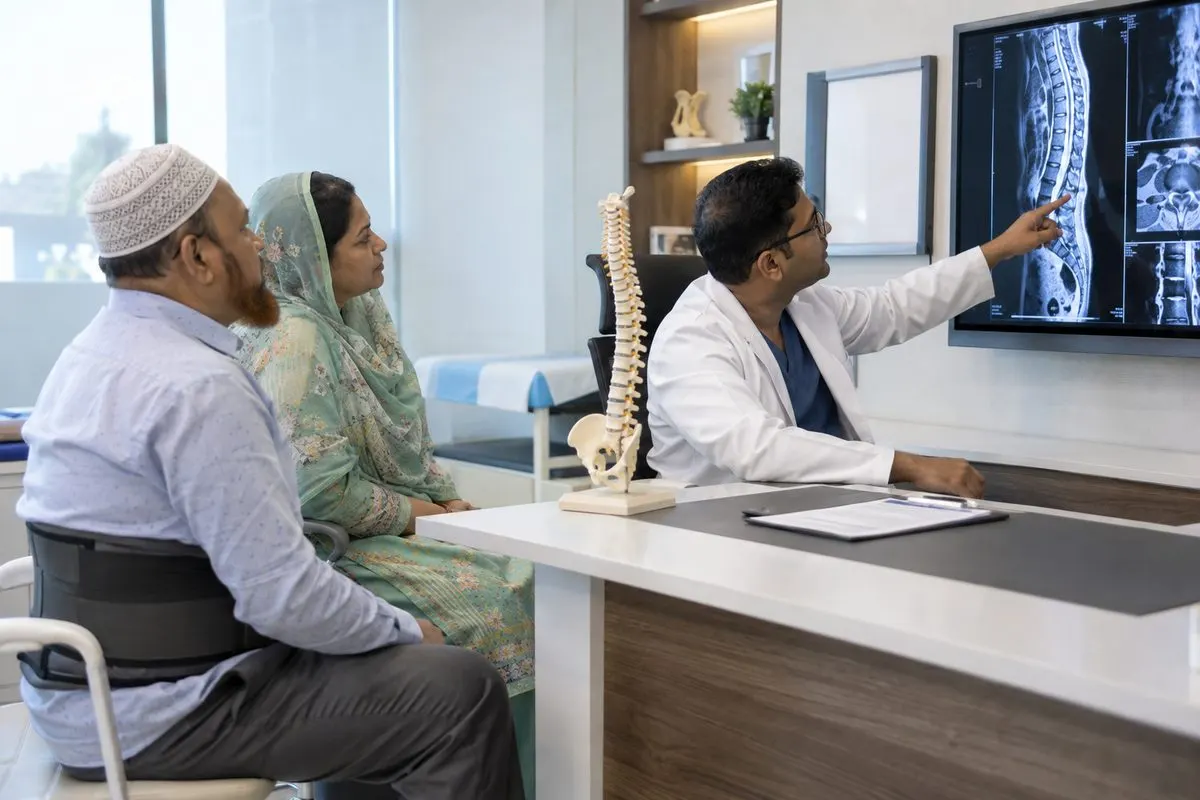
Spinal fusion in India is surgery intended to permanently join two or more vertebrae so the treated segment becomes mechanically stable. It may be considered for selected cases of spinal instability, deformity, spondylolisthesis, fracture, recurrent disease or reconstruction after decompression, but it is not a general treatment for nonspecific back or neck pain.
Assessment is usually performed by an orthopaedic spine surgeon or neurosurgeon and commonly includes MRI, standing X-rays and CT when bone anatomy, alignment, previous surgery or implant planning needs clarification. Symptoms, neurological findings and imaging should point to the same problem before fusion is recommended. The surgeon should also explain whether decompression alone, disc replacement or another non-fusion strategy remains reasonable.
Fusion typically uses bone graft together with fixation such as screws, rods or interbody cages to maintain alignment while the vertebrae heal together. The approach may be anterior, posterior, lateral or combined depending on the spinal region and diagnosis. Fusion can be performed at one or several levels; longer constructs and revision surgery generally carry greater operative and rehabilitation demands.
The cost of spinal fusion in India depends on the cervical, thoracic or lumbar region, number of levels, surgical approach, implant system, bone graft or biologic materials, navigation or neuromonitoring, hospital stay and rehabilitation. Revision surgery, poor bone quality or complex deformity can materially increase complexity and cost. New or rapidly worsening weakness, loss of bladder or bowel control, saddle numbness or severe spinal-cord symptoms require urgent local assessment rather than waiting for planned travel.
India offers access to orthopaedic and neurosurgical spine teams at tertiary hospitals with advanced imaging, modern fixation systems, minimally invasive and open techniques and rehabilitation services. Medical Help India can connect medically stable international patients with a suitable healthcare partner whose spine team can review MRI, CT and X-rays, confirm whether fusion is indicated and provide an individual implant, treatment and recovery estimate.
What's Included
Why consider treatment in India?
Access to experienced specialists
Advanced treatment and diagnostic options
More affordable hospital care
Shorter waiting times for treatment
Help comparing hospitals, plans and costs
Support with appointments, travel and follow-up
Cost in India
USDFinal costs depend on the medical assessment, hospital, room category and clinical needs.
How it works
Share your details
Tell us about your health concerns, age and current location.
Receive a call
We call you to discuss your situation, needs and questions.
Receive a treatment plan
Get information about the most suitable treatment plan, hospital and estimated cost.
Choose your plan
Review the options and agree on your care and travel plan.
Get full support
Receive full support throughout every stage of your care journey.
Receive care in India
Receive your planned care with support throughout your stay.
Top Hospitals for Spinal Fusion
View All Hospitals →
Apollo Speciality Hospitals, Teynampet, Chennai
Chennai

Artemis Hospital, Gurugram
Gurugram

Fortis Memorial Research Institute, Gurgaon
Gurugram

Max Super Speciality Hospital, Dwarka, New Delhi
New Delhi
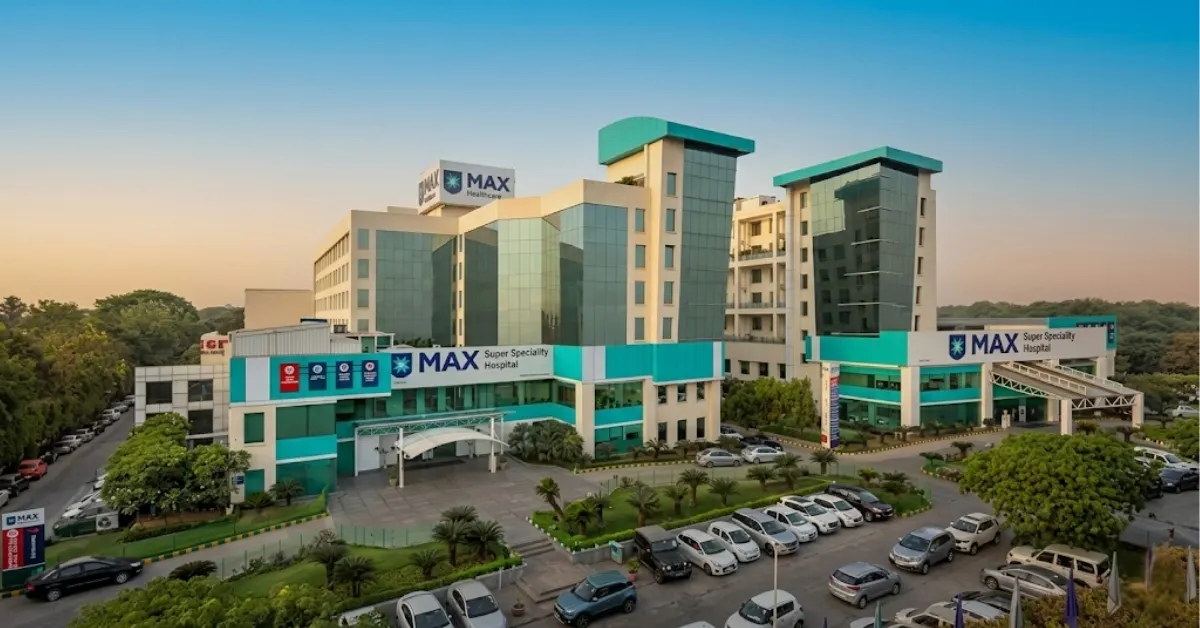
Max Super Speciality Hospital, Saket, New Delhi
New Delhi
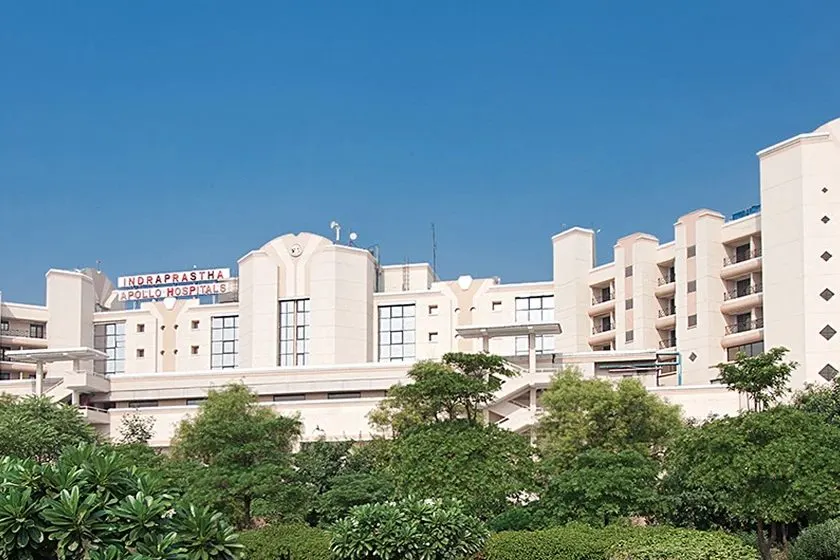
Indraprastha Apollo Hospitals, New Delhi
New Delhi
Top Doctors for Spinal Fusion
View All Doctors →
Dr. Manoj Padman
Paediatric Orthopaedics · 20+ yrs

Dr Chander Shekar
Orthopaedics · 30+ yrs

Dr. Harshavardhan Hegde
Orthopaedics, Joint Replacement & Spine Surgery · 40+ yrs

Dr. Hitesh Garg
Orthopaedic Spine & Scoliosis Surgery · 15+ yrs
Dr Appaji Krishnan K
Orthopaedics: Spine Surgery & Robotic Surgery · 20+ yrs

Dr Saurabh Rawall
Spine Surgery · 14+ yrs
Frequently Asked Questions
How much does Spinal Fusion cost in India?
Cost depends on the cervical, thoracic or lumbar region, number of levels fused, anterior, posterior, lateral or combined approach, implant system, bone graft or biologic materials, navigation or neuromonitoring, hospital stay and rehabilitation. Revision surgery, poor bone quality and complex deformity can substantially increase the estimate.
Which medical reports are useful to have ready for Spinal Fusion?
Have ready: recent MRI images and report for the affected spinal region, standing X-rays and CT when available, spine-specialist notes and previous operation records. Include pain distribution, weakness or numbness, proposed fusion levels, prior implants or fusion, bone-quality information and any bladder, bowel or saddle-sensation changes.
When is spinal fusion recommended?
Fusion may be considered for selected instability, deformity, spondylolisthesis, fractures or conditions where decompression alone would leave the spine unstable. It is not required for every case of back or neck pain.
What is the difference between spinal fusion and spinal fixation?
Fixation uses implants such as screws and rods to stabilise the spine, while fusion aims for two or more vertebrae to heal together biologically. Fixation is often used to support a fusion while it heals.
How long does spinal fusion take to heal?
Initial walking and daily activity often begin well before the bones have fully fused. Biological fusion usually develops over months, and activity restrictions, imaging follow-up and rehabilitation depend on the spinal level, number of levels, bone quality and the exact operation.

Our services are FREE
We connect you with leading hospitals and specialists in India. You pay the hospital directly.