

Surgical Releases
Surgical release procedures in India for selected contractures and soft-tissue restrictions, with orthopaedic assessment, tendon or capsular release and rehabilitation.
Our services are FREE and by using our services your hospital bill does not increase!
About Surgical Releases
Surgical release procedures in India are orthopaedic or reconstructive operations used to lengthen or free tight muscles, tendons, fascia, joint capsules or scarred soft tissues that restrict movement or contribute to deformity. They may be considered in selected patients with contractures, spasticity-related deformity, post-traumatic stiffness, congenital conditions or scar-related restriction when non-surgical treatment is insufficient.
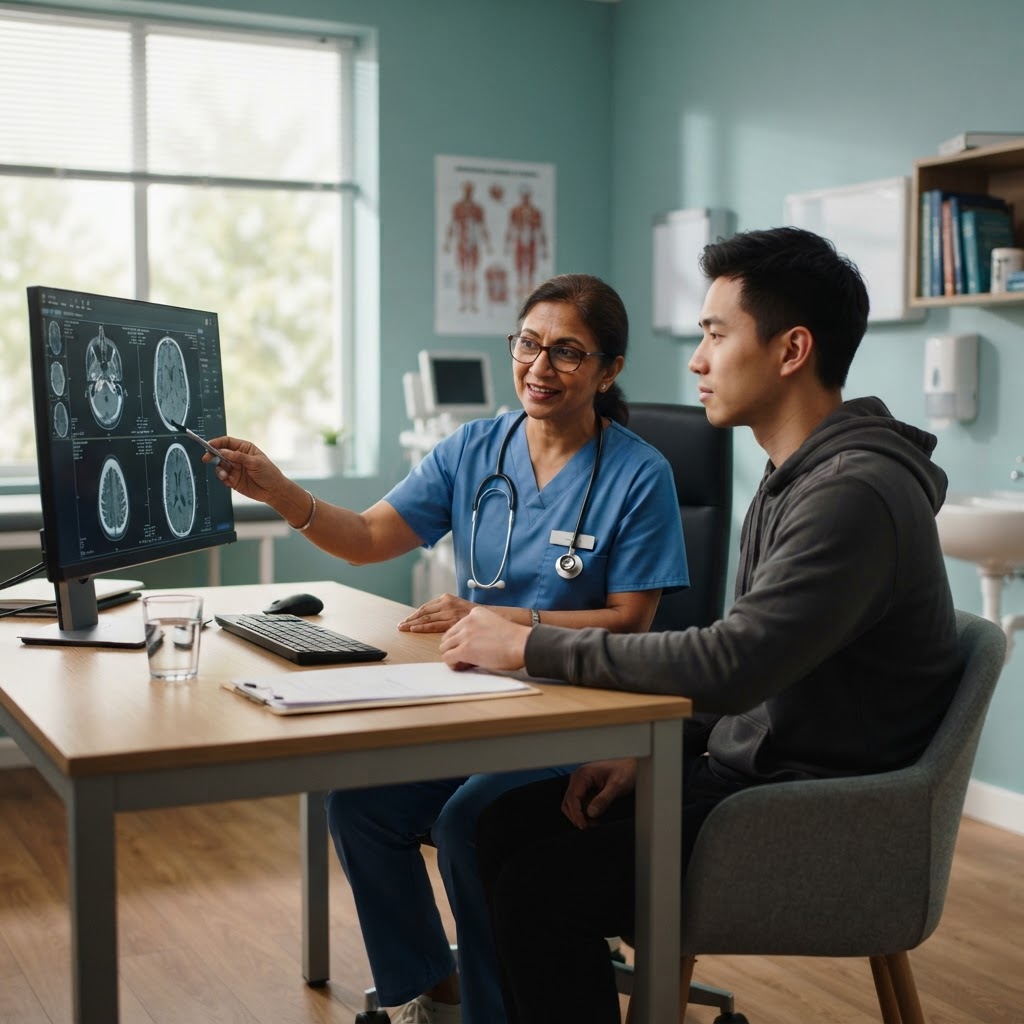
Before surgery, patients undergo a detailed orthopaedic and rehabilitation assessment to identify which structures limit movement and whether the restriction is fixed or dynamic. Examination may be supported by X-rays, gait analysis, ultrasound, MRI or neurological assessment depending on the condition. The team reviews previous physiotherapy, splinting, injections or surgery and defines realistic functional goals.
Procedures may include tendon lengthening, muscle or fascial release, capsular release or scar-contracture release, sometimes combined with osteotomy, tendon transfer, fixation or other reconstruction. Risks include weakness from over-lengthening, recurrence, stiffness, wound problems and neurovascular injury depending on the site. Rehabilitation is essential to preserve gains through stretching, splinting and supervised therapy.
Cost in India depends on the body area, number of structures treated, associated reconstruction, anaesthesia, hospital stay, orthoses and rehabilitation. Tertiary Indian centres provide orthopaedic, paediatric orthopaedic, reconstructive and rehabilitation teams. Medical Help India can connect international patients with a suitable healthcare partner to review functional limitations, imaging and previous treatment and obtain an individual estimate.
What's Included
Why consider treatment in India?
Access to experienced specialists
Advanced treatment and diagnostic options
More affordable hospital care
Shorter waiting times for treatment
Help comparing hospitals, plans and costs
Support with appointments, travel and follow-up
Cost in India
USDFinal costs depend on the medical assessment, hospital, room category and clinical needs.
How it works
Share your details
Tell us about your health concerns, age and current location.
Receive a call
We call you to discuss your situation, needs and questions.
Receive a treatment plan
Get information about the most suitable treatment plan, hospital and estimated cost.
Choose your plan
Review the options and agree on your care and travel plan.
Get full support
Receive full support throughout every stage of your care journey.
Receive care in India
Receive your planned care with support throughout your stay.
Top Hospitals for Surgical Releases
View All Hospitals →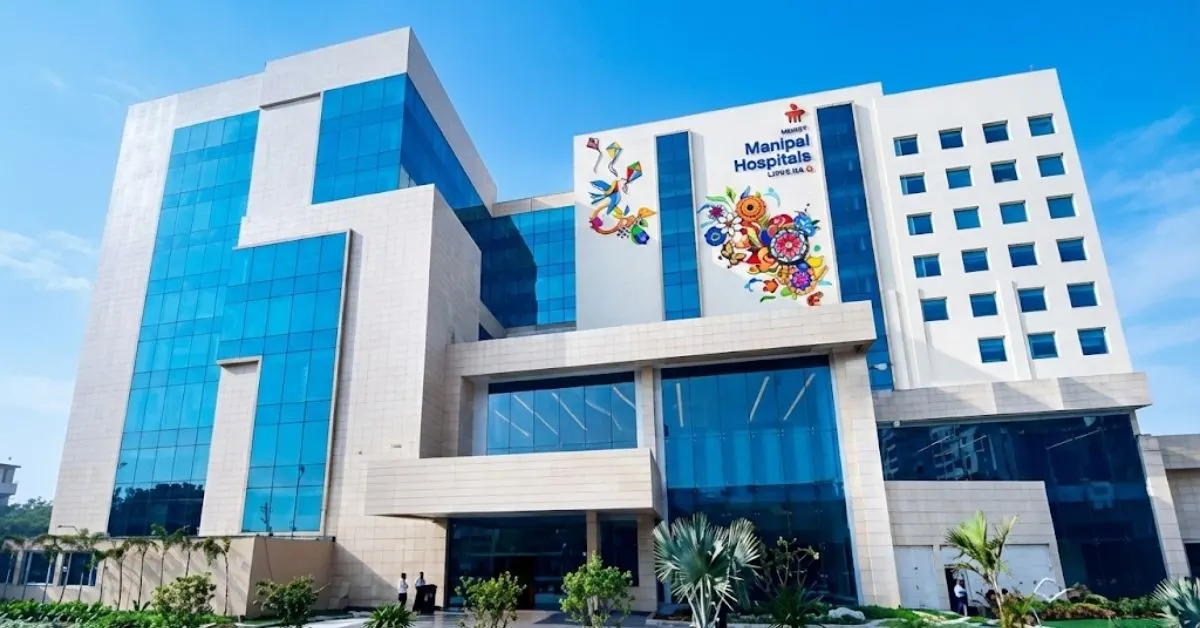
Top Doctors for Surgical Releases
View All Doctors →
Frequently Asked Questions
How much does Surgical Releases cost in India?
Cost depends on the body area, number of muscles, tendons or joints treated, associated procedures, anaesthesia, hospital stay and rehabilitation. Combined tendon transfer, osteotomy or fixation can increase the overall treatment cost.
Which medical reports are useful to have ready for Surgical Releases?
Have ready: the diagnosis, functional assessment, relevant X-rays or MRI, previous operation notes and rehabilitation history. Include splints or orthoses used, current range-of-motion limitations and the functional goals being considered for surgery.
What does a surgical release procedure do?
It lengthens or frees tight muscles, tendons, fascia, joint capsules or scar tissue that restrict movement or contribute to deformity.
Which conditions may need surgical release?
Selected contractures, spasticity-related deformities, post-traumatic stiffness, congenital conditions and scar-related restrictions may be treated when non-surgical care is insufficient.
Why is rehabilitation important after a surgical release?
Surgery can create more movement, but stretching, splinting and supervised rehabilitation are often needed to maintain the correction and retrain useful movement.
Our services are FREE
We connect you with leading hospitals and specialists in India. You pay the hospital directly.