

Transjugular Intrahepatic Portosystemic Shunt (TIPS)
TIPS in India for selected portal-hypertension complications, with hepatology review, image-guided shunt creation and follow-up for variceal bleeding or refractory ascites.
Related Conditions
Our services are FREE and by using our services your hospital bill does not increase!
About Transjugular Intrahepatic Portosystemic Shunt (TIPS)
Transjugular intrahepatic portosystemic shunt (TIPS) in India is an image-guided procedure used to reduce severe portal hypertension by creating a channel inside the liver between the portal and hepatic venous systems. It is most commonly considered for selected patients with recurrent or difficult-to-control variceal bleeding, refractory ascites or other complications of portal hypertension when medical and endoscopic treatment are insufficient. TIPS does not treat the underlying liver disease itself.
Before the procedure, patients usually undergo a hepatology and interventional-radiology assessment with liver-function tests, blood counts, coagulation studies and abdominal imaging such as Doppler ultrasound, CT or MRI. The team reviews portal and hepatic vein anatomy, kidney function, previous bleeding, ascites, current medicines and any history of hepatic encephalopathy or heart failure, because these can influence suitability.
During TIPS, a catheter is passed through a neck vein into the hepatic venous system, and a stent is placed through the liver to connect the portal and hepatic veins. This lowers portal pressure but can increase the risk of hepatic encephalopathy, liver dysfunction, bleeding, infection and shunt narrowing or blockage. Doppler ultrasound and clinical follow-up are used to assess shunt function.
The cost of TIPS in India depends on stent type, angiography, imaging, hospital stay, anaesthesia or sedation and management of liver-related complications.
India offers access to interventional radiologists, hepatologists and liver-transplant teams at tertiary liver centres with portal-hypertension expertise. Compare TIPS experience, liver support and estimated costs. Medical Help India can connect medically stable patients with a suitable healthcare partner whose team can review imaging, liver function and previous treatment and advise on appropriate next steps.
What's Included
Why consider treatment in India?
Access to experienced specialists
Advanced treatment and diagnostic options
More affordable hospital care
Shorter waiting times for treatment
Help comparing hospitals, plans and costs
Support with appointments, travel and follow-up
Cost in India
USDFinal costs depend on the medical assessment, hospital, room category and clinical needs.
How it works
Share your details
Tell us about your health concerns, age and current location.
Receive a call
We call you to discuss your situation, needs and questions.
Receive a treatment plan
Get information about the most suitable treatment plan, hospital and estimated cost.
Choose your plan
Review the options and agree on your care and travel plan.
Get full support
Receive full support throughout every stage of your care journey.
Receive care in India
Receive your planned care with support throughout your stay.
Top Hospitals for Transjugular Intrahepatic Portosystemic Shunt (TIPS)
View All Hospitals →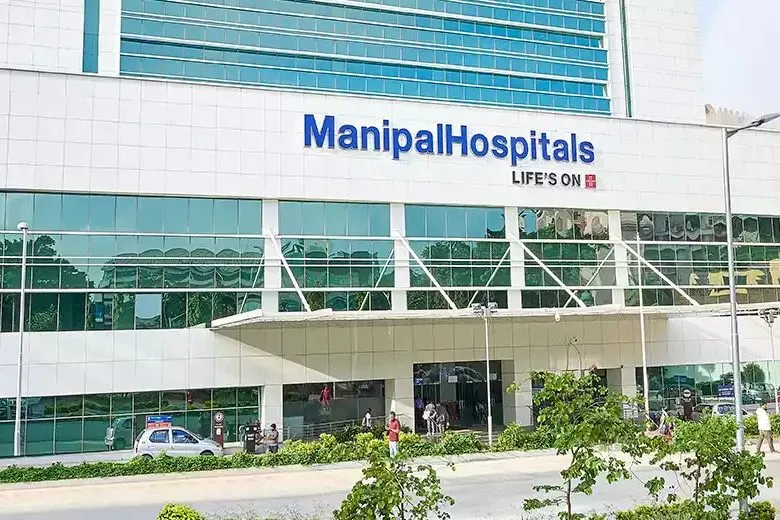
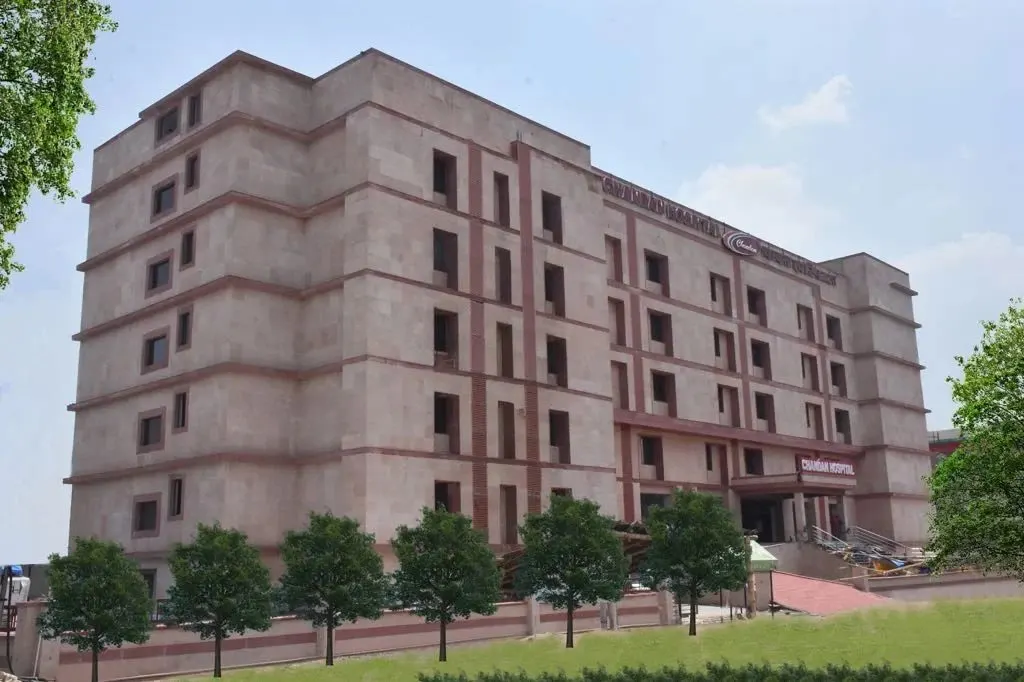
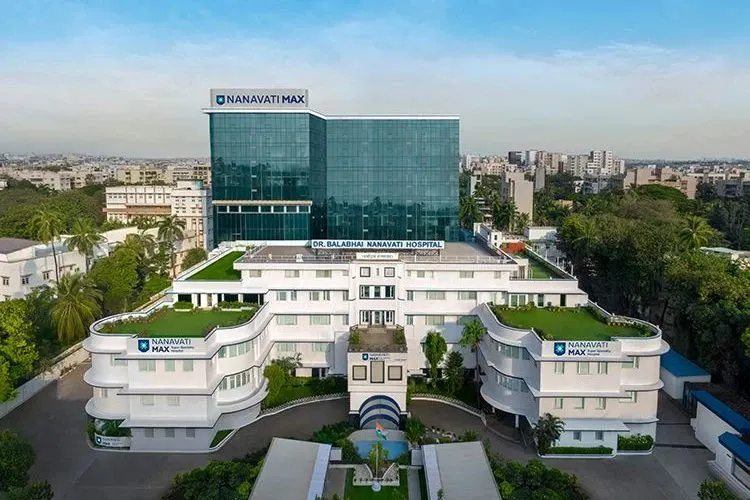
Top Doctors for Transjugular Intrahepatic Portosystemic Shunt (TIPS)
View All Doctors →
Frequently Asked Questions
How much does Transjugular Intrahepatic Portosystemic Shunt (TIPS) cost in India?
Cost depends on the TIPS stent, angiography, imaging, anaesthesia or sedation, hospital stay and management of portal-hypertension complications. Treatment for the underlying liver disease, transplant assessment and later shunt revisions may be separate.
Which medical reports are useful to have ready for Transjugular Intrahepatic Portosystemic Shunt (TIPS)?
Have ready: recent liver-function tests, blood counts and coagulation results, Doppler ultrasound and CT or MRI, previous endoscopy and variceal-treatment records, and any history of ascites or hepatic encephalopathy. Include current medicines and prior TIPS or transplant assessments if applicable.
What is TIPS used to treat?
TIPS is used for selected complications of portal hypertension, particularly recurrent or difficult-to-control variceal bleeding and refractory ascites when other treatment is insufficient.
Does TIPS cure cirrhosis or liver disease?
No. TIPS reduces portal pressure but does not treat the underlying liver disease. Ongoing hepatology care and, in some patients, transplant assessment may still be required.
What is the main complication after TIPS?
Hepatic encephalopathy is an important complication because the shunt changes blood flow through the liver. Liver dysfunction, bleeding and shunt narrowing or blockage are also monitored.

Our services are FREE
We connect you with leading hospitals and specialists in India. You pay the hospital directly.