

Vascular Surgery
Vascular surgery in India for arterial and venous disease, with duplex or CT/MR angiography and open, endovascular or hybrid treatment selected by vascular specialists.
Related Conditions
Our services are FREE and by using our services your hospital bill does not increase!
About Vascular Surgery
Vascular surgery in India treats diseases of arteries and veins outside the heart and brain circulation, including peripheral arterial disease, carotid artery disease, aortic and peripheral aneurysms, limb-threatening ischaemia, venous disease and selected vascular injuries. Treatment may be open surgery, endovascular intervention or a hybrid approach depending on the vessel involved, disease severity, anatomy and the patient’s overall health.
Before treatment, patients usually undergo a vascular-surgery assessment with pulse examination and targeted imaging. Duplex ultrasound is commonly used for carotid, peripheral arterial and venous disease, while CT angiography or MR angiography may be required for aneurysms, complex arterial disease or intervention planning. Kidney function, diabetes, smoking history, medicines and cardiovascular risk are also reviewed.
Procedures can include endarterectomy, bypass surgery, thrombectomy, angioplasty, stenting, aneurysm repair and selected venous interventions. Open and endovascular techniques have different advantages and risks. Important complications can include bleeding, infection, thrombosis, embolisation, kidney injury from contrast, wound problems and the need for further intervention. Sudden limb pain, loss of circulation or suspected ruptured aneurysm requires immediate local emergency care.
The cost of vascular surgery in India depends on the diagnosis, open versus endovascular approach, grafts or stents, imaging, ICU needs, hospital stay and rehabilitation.
India offers access to vascular and endovascular surgeons at tertiary hospitals with duplex ultrasound, CT angiography, hybrid operating facilities and intensive-care support. Compare diagnosis-specific expertise and estimated costs. Medical Help India can connect medically stable patients with a suitable healthcare partner whose team can review vascular imaging, previous procedures and current symptoms and advise on appropriate next steps.
What's Included
Why consider treatment in India?
Access to experienced specialists
Advanced treatment and diagnostic options
More affordable hospital care
Shorter waiting times for treatment
Help comparing hospitals, plans and costs
Support with appointments, travel and follow-up
Cost in India
USDFinal costs depend on the medical assessment, hospital, room category and clinical needs.
How it works
Share your details
Tell us about your health concerns, age and current location.
Receive a call
We call you to discuss your situation, needs and questions.
Receive a treatment plan
Get information about the most suitable treatment plan, hospital and estimated cost.
Choose your plan
Review the options and agree on your care and travel plan.
Get full support
Receive full support throughout every stage of your care journey.
Receive care in India
Receive your planned care with support throughout your stay.
Top Hospitals for Vascular Surgery
View All Hospitals →
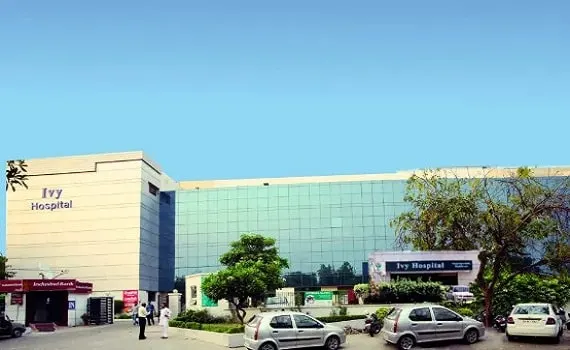

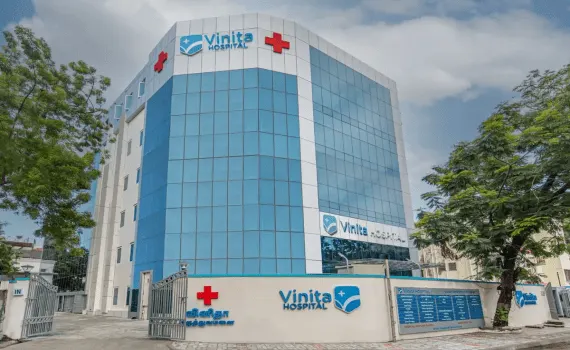
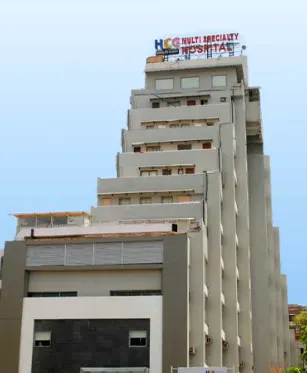
Top Doctors for Vascular Surgery
View All Doctors →
Frequently Asked Questions
How much does Vascular Surgery cost in India?
Cost depends on the vascular diagnosis, open versus endovascular treatment, grafts or stents, imaging, ICU needs, hospital stay and rehabilitation. Aneurysm repair, carotid surgery and peripheral arterial reconstruction require different plans and estimates.
Which medical reports are useful to have ready for Vascular Surgery?
Have ready: vascular ultrasound, CT angiography, MR angiography or catheter angiography relevant to the condition, together with previous vascular procedure reports and current medicines. Include symptoms, diabetes or smoking history and any known kidney-function problems.
What conditions are treated by vascular surgeons?
Vascular surgeons treat conditions such as peripheral arterial disease, carotid disease, aneurysms, limb-threatening ischaemia, venous disease and selected vascular injuries.
What is the difference between open and endovascular vascular surgery?
Open surgery uses an incision to repair, bypass or remove diseased vessels, while endovascular treatment uses catheters, balloons, stents or stent-grafts introduced through the blood vessels.
What tests are commonly used before vascular surgery?
Depending on the condition, assessment may include duplex ultrasound, CT angiography, MR angiography or catheter angiography, together with kidney-function and cardiovascular-risk evaluation.

Our services are FREE
We connect you with leading hospitals and specialists in India. You pay the hospital directly.