

Vitreoretinal Surgeries
Vitreoretinal surgery in India with retina-specialist imaging and individualized vitrectomy, retinal detachment repair, membrane surgery, laser or tamponade when indicated.
Related Conditions
Our services are FREE and by using our services your hospital bill does not increase!
About Vitreoretinal Surgeries
Vitreoretinal surgery in India includes microsurgical procedures used to treat disorders affecting the retina, vitreous gel and back of the eye. Common indications include retinal detachment, vitreous haemorrhage, macular hole, epiretinal membrane, complications of diabetic retinopathy, retained lens material and selected ocular trauma. The operation is chosen according to the retinal diagnosis, macular involvement and whether urgent repair is needed to protect vision.
Assessment is usually led by a vitreoretinal specialist and may include dilated examination, optical coherence tomography (OCT), wide-field retinal imaging and ocular ultrasound when the retina cannot be seen clearly. Depending on the condition, surgery may involve pars plana vitrectomy, membrane peeling, endolaser, gas or silicone-oil tamponade, scleral buckle repair or combined cataract and retinal surgery.
Visual recovery varies because the final result depends on the condition of the macula, optic nerve and retina before treatment as well as the success of the operation. Gas-filled eyes may require specific postoperative positioning and patients must not fly until the treating ophthalmologist confirms that intraocular gas has resolved. Sudden loss of vision, a curtain-like shadow, new flashes with many floaters or severe eye pain requires urgent local ophthalmic assessment rather than delayed travel planning.
The cost of vitreoretinal surgery in India depends on the diagnosis, complexity of vitrectomy, use of gas or silicone oil, retinal laser, scleral buckle or other implants, combined cataract surgery, anaesthesia, hospital setting and whether additional operations are required. Retinal detachment, diabetic tractional disease and macular surgery can therefore have different cost pathways.
India offers access to vitreoretinal surgeons at specialist eye hospitals and tertiary centres with OCT, wide-field imaging, retinal laser, microsurgical vitrectomy systems and postoperative retinal monitoring. Medical Help India can connect medically stable international patients with a suitable healthcare partner whose retina team can review scans and previous treatment, clarify urgency, recommend the appropriate surgical approach and provide an individual treatment and cost estimate.
What's Included
Why consider treatment in India?
Access to experienced specialists
Advanced treatment and diagnostic options
More affordable hospital care
Shorter waiting times for treatment
Help comparing hospitals, plans and costs
Support with appointments, travel and follow-up
Cost in India
USDFinal costs depend on the medical assessment, hospital, room category and clinical needs.
How it works
Share your details
Tell us about your health concerns, age and current location.
Receive a call
We call you to discuss your situation, needs and questions.
Receive a treatment plan
Get information about the most suitable treatment plan, hospital and estimated cost.
Choose your plan
Review the options and agree on your care and travel plan.
Get full support
Receive full support throughout every stage of your care journey.
Receive care in India
Receive your planned care with support throughout your stay.
Top Hospitals for Vitreoretinal Surgeries
View All Hospitals →


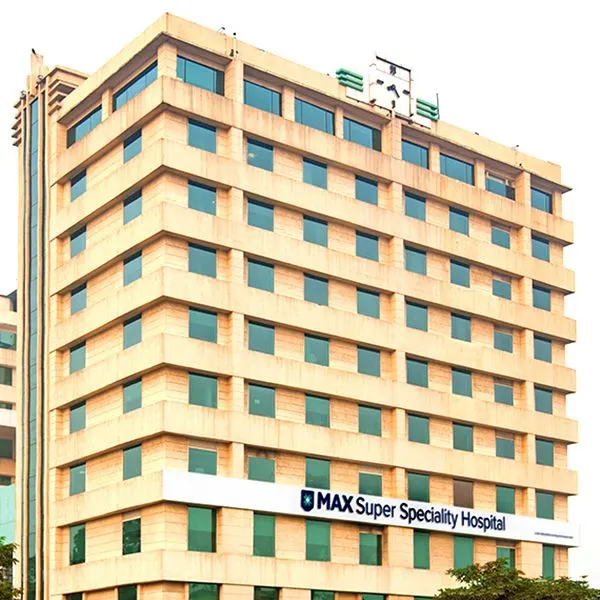
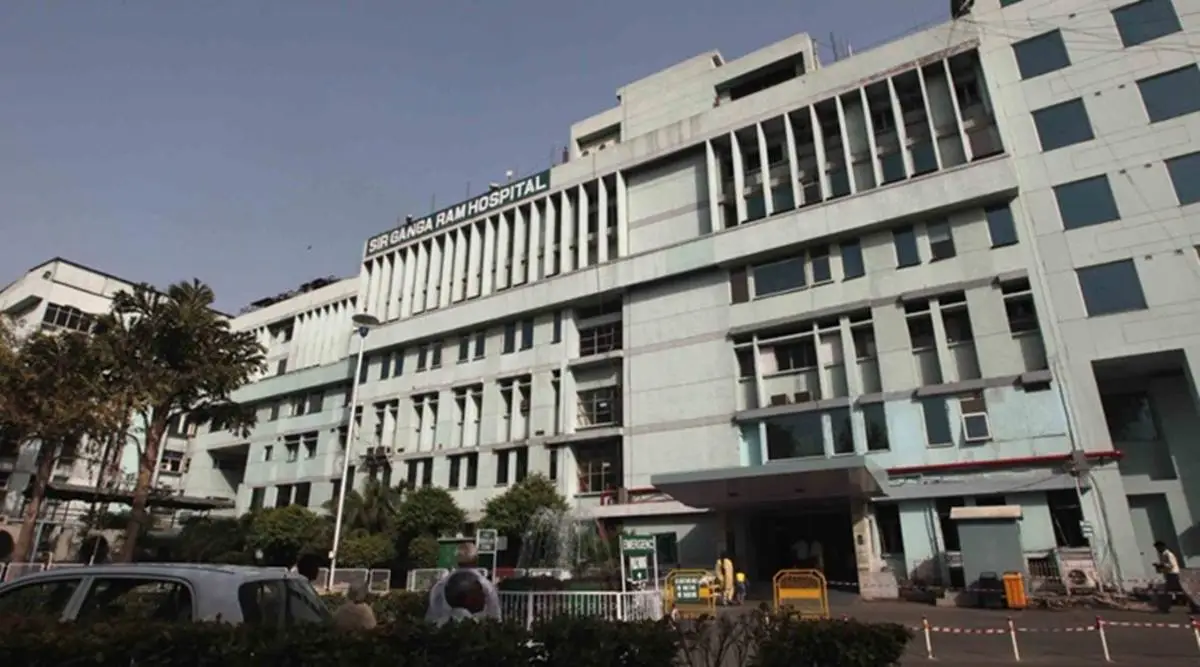

Top Doctors for Vitreoretinal Surgeries
View All Doctors →
Dr. Amit Khosla
Ophthalmology & Vitreoretinal Surgery · 30+ yrs

Dr. Mallika Goyal
Ophthalmology - Retina, Vitreous & Uveitis · 26+ yrs

Dr. Sanjeev Gupta
Ophthalmology · 29+ yrs

Dr. Sudeep Kishore Jain
Ophthalmology · 29+ yrs

Dr. Hema Rawal
Ophthalmology - Retina & Vitreous · 21+ yrs

Dr. Deependra V Singh
Ophthalmology - Retina & Vitreous · 30+ yrs
Frequently Asked Questions
How much does Vitreoretinal Surgeries cost in India?
Cost depends on the retinal diagnosis, complexity of vitrectomy, use of gas or silicone oil, retinal laser, scleral buckle or other implants, combined cataract surgery, anaesthesia, hospital setting and whether further surgery is expected. Retinal detachment, diabetic tractional disease and macular surgery can therefore have different cost pathways.
Which medical reports are useful to have ready for Vitreoretinal Surgeries?
Have ready: recent retina-specialist notes, OCT scans, fundus or wide-field images, ocular ultrasound when performed and records of previous retinal laser, injections or surgery. Include the diagnosis, affected eye, vision history, diabetes information where relevant and details of any gas or silicone oil already present in the eye.
Which conditions may require vitreoretinal surgery?
Common indications include retinal detachment, vitreous haemorrhage, macular hole, epiretinal membrane, tractional diabetic retinal disease and selected ocular trauma. The exact operation depends on the retinal diagnosis and anatomy.
Why can flying be restricted after retinal surgery?
If a gas bubble is placed in the eye, changes in cabin pressure can dangerously increase eye pressure. Patients should not fly until the treating ophthalmologist confirms that the gas has fully resolved.
Will vision return immediately after vitreoretinal surgery?
Not usually. Recovery depends on the condition being treated and the health of the macula, optic nerve and retina before surgery. Some patients improve gradually over weeks or months, and additional treatment may be required.

Our services are FREE
We connect you with leading hospitals and specialists in India. You pay the hospital directly.