
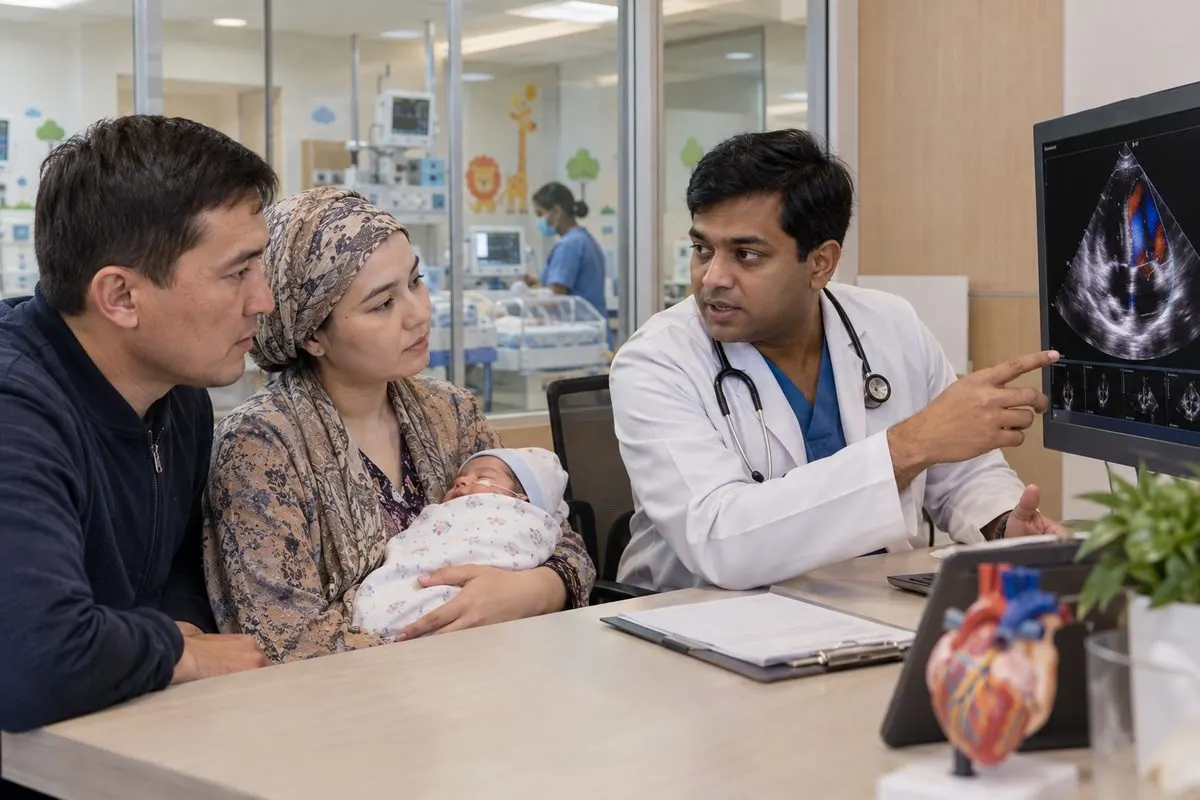
VSD and ASD Closure
ASD and VSD closure in India with congenital-heart assessment and device or surgical closure selected according to defect anatomy and haemodynamic significance.
Related Conditions
Our services are FREE and by using our services your hospital bill does not increase!
About VSD and ASD Closure
VSD and ASD closure in India treats selected ventricular septal defects (VSDs) and atrial septal defects (ASDs), openings between different chambers of the heart. Some defects can be closed with a catheter-delivered device, while others require surgery depending on defect type, size and location, shunt severity, symptoms, valve relationships and associated congenital abnormalities.
Assessment requires a congenital-cardiology review and detailed echocardiography, with ECG, CT/MRI or cardiac catheterisation added when anatomy or pulmonary pressures need further definition. The team evaluates chamber enlargement, pulmonary hypertension, valve involvement and whether the defect has suitable rims and anatomy for device closure. ASD and VSD are different conditions and should not be treated as interchangeable procedures.
Risks and recovery depend on whether closure is catheter-based or surgical and on the patient’s age and cardiac anatomy. Device procedures can involve vascular complications, arrhythmia, residual shunt or device-related problems; surgery carries the risks of open-heart treatment. Severe breathlessness, cyanosis, fainting or circulatory instability requires urgent local cardiac assessment rather than waiting for international travel. The cost of ASD or VSD closure in India depends on the closure method, device when used, imaging, catheter-lab or operating-room requirements, ICU needs and hospital stay.
India has tertiary congenital-heart centres with paediatric and adult congenital cardiologists, interventional specialists, congenital cardiac surgeons and dedicated cardiac intensive care. Medical Help India can connect patients or families with an appropriate healthcare partner in India to review echocardiography and records, explain whether observation, device closure or surgery is appropriate and provide an individual estimate.
What's Included
Why consider treatment in India?
Access to experienced specialists
Advanced treatment and diagnostic options
More affordable hospital care
Shorter waiting times for treatment
Help comparing hospitals, plans and costs
Support with appointments, travel and follow-up
Cost in India
USDFinal costs depend on the medical assessment, hospital, room category and clinical needs.
How it works
Share your details
Tell us about your health concerns, age and current location.
Receive a call
We call you to discuss your situation, needs and questions.
Receive a treatment plan
Get information about the most suitable treatment plan, hospital and estimated cost.
Choose your plan
Review the options and agree on your care and travel plan.
Get full support
Receive full support throughout every stage of your care journey.
Receive care in India
Receive your planned care with support throughout your stay.
Top Hospitals for VSD and ASD Closure
View All Hospitals →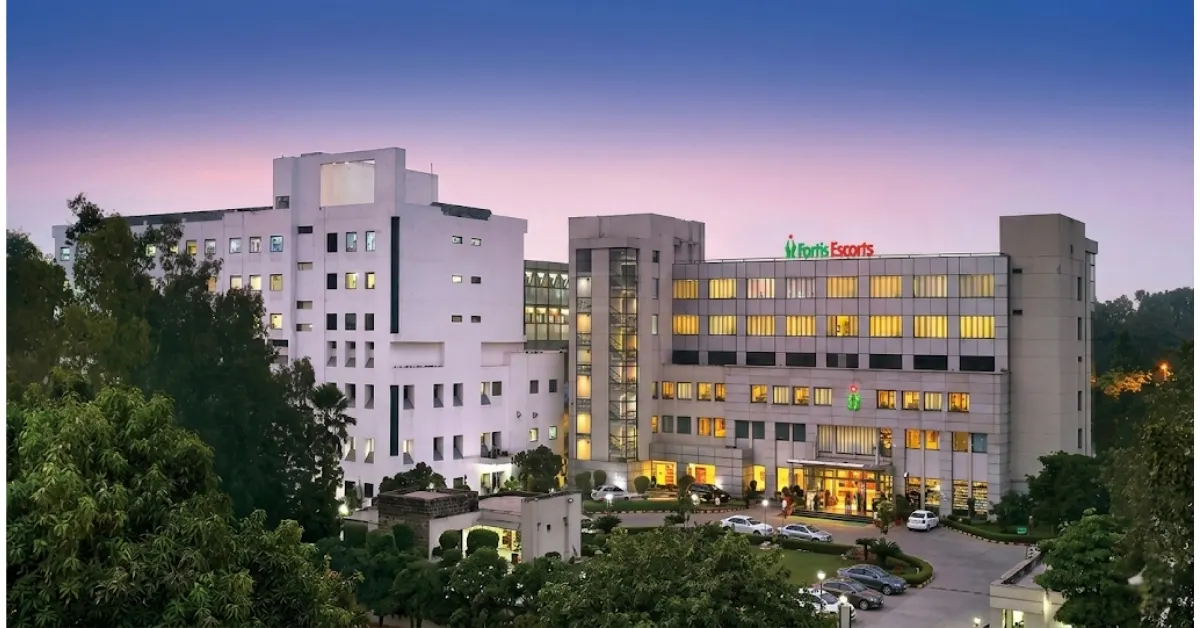
Top Doctors for VSD and ASD Closure
View All Doctors →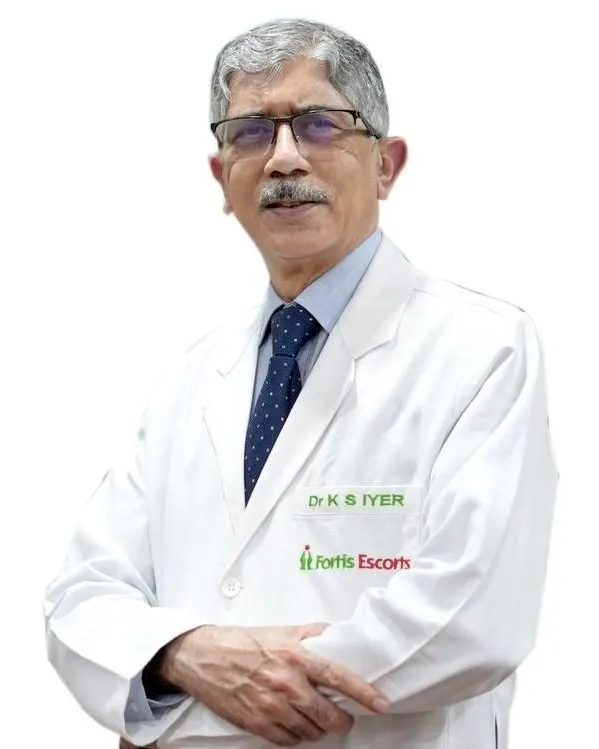
Dr. Krishna Subramony Iyer
Paediatric Cardiac & Congenital Heart Surgery · 40+ yrs

Dr. Robert Mao
Cardiology & Interventional Cardiology · 35+ yrs
Dr. Prafulla Kerkar
Interventional Cardiology · 31+ yrs
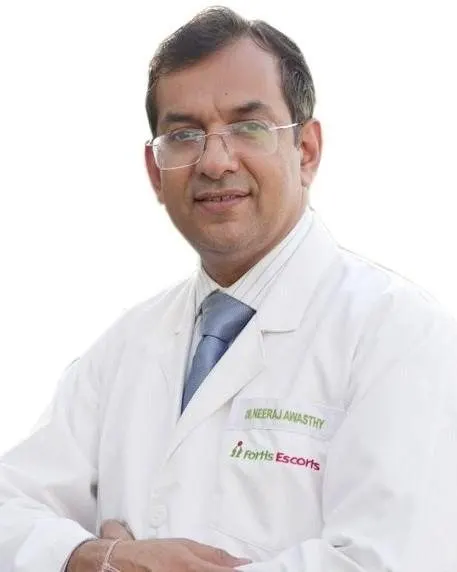
Dr. Neeraj Awasthy
Paediatric Cardiac Sciences · 20+ yrs
Dr Sunil Kumar Swain
Paediatric Cardiac Surgery · 21+ yrs
Frequently Asked Questions
How much does VSD and ASD Closure cost in India?
Cost depends on whether the defect is an ASD or VSD, device versus surgical closure, device type and size when used, echocardiography and catheterisation requirements, catheter-lab or operating-room charges, ICU needs and hospital stay. Complex anatomy, pulmonary hypertension or associated congenital defects can materially change the estimate.
Which medical reports are useful to have ready for VSD and ASD Closure?
Have ready: recent echocardiography images and report, congenital-cardiology notes, ECG and any CT, cardiac MRI or catheterisation results. Include defect type, size and location, chamber enlargement and pulmonary-pressure information, associated congenital abnormalities, current medicines and records of previous cardiac procedures or surgery.
Can both ASD and VSD be closed with a catheter device?
Some ASDs and selected VSDs are suitable for device closure, but anatomy, defect location, size, valve relationships and pulmonary pressures determine whether catheter treatment is appropriate.
When is surgery used instead of device closure?
Surgery may be required when the defect is unsuitable for a device, when other heart abnormalities need repair or when the anatomy makes surgical closure safer or more effective.
Do small ASD or VSD defects always need closure?
No. Some small defects can be monitored. Closure decisions depend on shunt significance, chamber enlargement, symptoms, pulmonary pressure, complications and congenital-cardiology assessment.

Our services are FREE
We connect you with leading hospitals and specialists in India. You pay the hospital directly.