

Choosing a liver transplant hospital requires more than comparing hospital names or headline success rates. International patients should look at the specific transplant programme, living-donor experience, donor safety, transplant volume, ICU and hepatology support, complex transplant options, legal coordination and long-term follow-up. This guide compares five major liver-transplant programmes in India: Apollo Hospitals, Chennai; Max Super Speciality Hospital, Saket; Medanta – The Medicity, Gurugram; Artemis Hospital, Gurugram; and Fortis Hospital, Mulund, Mumbai.
Our services are FREE and by using our services your hospital bill does not increase!
Top liver transplant hospitals in India: quick comparison
| Hospital | Location | Published programme information (hospital-reported) |
|---|---|---|
| Apollo Hospitals | Chennai / Apollo network | 5,000+ liver transplants across the Apollo network; Chennai reports >95% clinical success |
| Max Super Speciality Hospital | Saket, New Delhi | >95% reported transplant success; >80% reported 10-year survival |
| Medanta – The Medicity | Gurugram | About 95% reported success; established high-volume living-donor programme |
| Artemis Hospital | Gurugram | Living-donor, ABO-incompatible and swap transplantation; laparoscopic and robotic donor surgery |
| Fortis Hospital, Mulund | Mumbai | 96% overall reported survival; adult, paediatric, ABO-incompatible and combined liver-kidney transplantation |
How we selected these hospitals
The hospitals in this guide were selected using criteria relevant to complex liver transplantation:
- Established liver-transplant programme
- Published transplant experience
- Living-donor liver transplantation
- Multidisciplinary transplant team
- Transplant and critical-care support
- Donor evaluation and safety processes
- Experience with complex transplant pathways
- Published programme information that can be checked
- Experience treating international patients
The aim is to provide a useful comparison starting point — not to declare one centre universally better than another.
1. Apollo Hospitals, Chennai
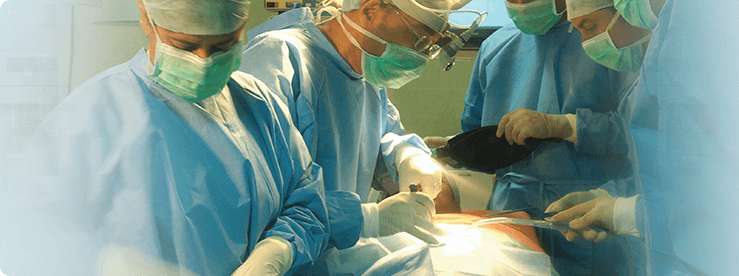
Apollo operates one of India's longest-established liver-transplant programmes. Apollo states that it performed India's first successful liver transplant in 1998. The group currently reports more than 5,000 liver transplants across the Apollo network, while its Chennai liver-transplant programme reports a clinical success rate above 95%.
Liver transplant options at Apollo
Apollo publishes experience with living-donor liver transplantation, deceased-donor liver transplantation, paediatric liver transplantation, split-liver transplantation, ABO-incompatible transplantation, combined liver-kidney transplantation, and multi-organ transplantation. The programme includes transplant surgeons, hepatologists, anaesthetists, intensivists, radiologists and transplant coordinators, and Apollo Chennai also describes dedicated liver intensive-care support and advanced imaging for complex transplant care.
Why international patients may compare Apollo: a large established transplant network, adult or paediatric transplantation, living-donor transplantation, complex transplant expertise, and multi-organ transplant capability.
Because the 5,000+ figure is network-wide, ask specifically:
- How many liver transplants does Apollo Chennai perform annually?
- Who would be the lead transplant surgeon?
- How many are living-donor transplants?
- What are the centre-specific one-year patient and graft survival rates?
- What donor complications are tracked?
- How long are donor and recipient expected to remain in India?
Apollo currently states that many recipients remain hospitalized for approximately 10–14 days after transplantation, although recovery can take longer depending on the individual case.
2. Max Super Speciality Hospital, Saket – New Delhi
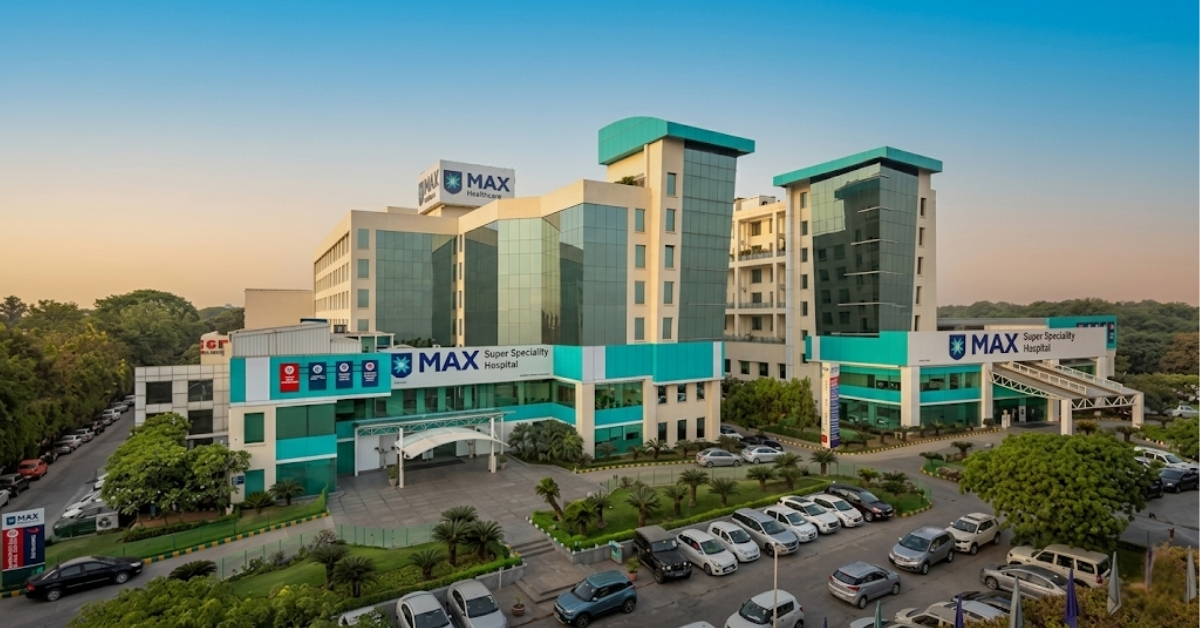
Max Centre for Liver Transplant and Biliary Sciences operates a major liver-transplant programme in Delhi. Max reports a liver-transplant success rate above 95% and 10-year survival above 80%, and publishes extensive experience in liver transplantation and complex hepatobiliary surgery. The programme is supported by transplant surgeons, hepatologists, gastroenterologists, anaesthetists, interventional radiologists and critical-care specialists.
Why international patients may compare Max: living-donor liver transplantation, adult and paediatric transplantation, complex hepatobiliary surgery, multidisciplinary liver care, and long-term post-transplant follow-up.
- Annual liver-transplant volume at Max Saket
- Living-donor transplant volume
- One-year patient and graft survival
- Donor complication outcomes
- Named transplant surgeon
- Expected hospital and post-discharge stay
- Complete international-patient estimate
Get help with treatment at Max Super Speciality Hospital, Saket
3. Medanta – The Medicity, Gurugram
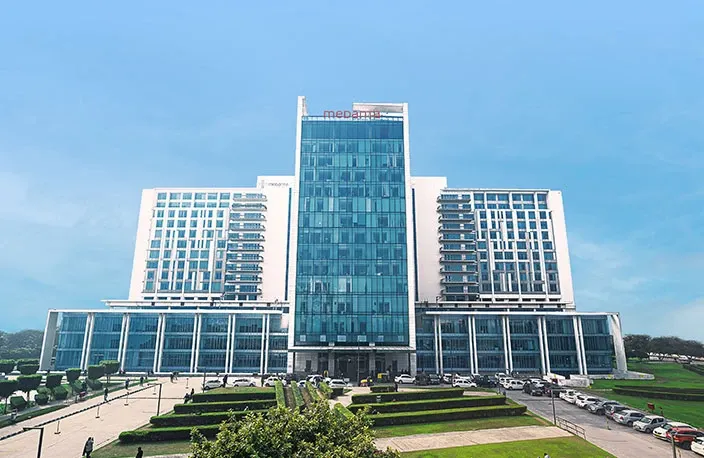
Medanta – The Medicity in Gurugram operates a large living-donor liver-transplant programme. Medanta has reported a liver-transplant success rate of approximately 95% and extensive adult and paediatric transplant experience, with particular experience in living-donor liver transplantation, paediatric liver transplantation, ABO-incompatible transplantation, paired-exchange (swap) transplantation, and complex liver and hepatobiliary surgery. Older Medanta publications report several thousand liver transplants, but those historical volume figures should not be presented as a current 2026 programme total without updated confirmation.
Medanta publishes experience with paired-exchange liver transplantation, which may be considered when an intended donor is medically suitable but incompatible with the recipient because of factors such as blood group or graft size — whether paired exchange is medically and legally appropriate must be assessed individually.
Why international patients may compare Medanta: living-donor transplantation, blood-group incompatibility, paired-exchange transplantation, paediatric transplantation, and complex hepatobiliary disease.
- Current annual transplant volume at Gurugram
- Number of living-donor procedures
- Current one-year patient survival
- Donor complication outcomes
- Current ABO-incompatible transplant experience
- Whether paired exchange may apply to the donor-recipient pair
- International-patient documentation support
4. Artemis Hospital, Gurugram
Artemis Hospital in Gurugram publishes experience with living-donor liver transplantation, ABO-incompatible transplantation and swap transplantation. The hospital also describes the use of pure laparoscopic and robotic donor surgery in selected cases, and has documented experience with complex donor-recipient situations, including paired-exchange or swap transplantation.
Why international patients may compare Artemis: when the intended donor has an incompatible blood group, when swap transplantation may be relevant, when minimally invasive donor surgery is being considered, or when the patient requires adult or paediatric transplant care.
- Annual liver-transplant volume at Gurugram
- Current patient and graft survival
- Donor complication outcomes
- Experience with the exact transplant type proposed
- Eligibility criteria for ABO-incompatible transplantation
- Legal and medical requirements for swap transplantation
- Whether laparoscopic or robotic donor surgery is appropriate for the donor
5. Fortis Hospital, Mulund – Mumbai
Fortis Hospital, Mulund in Mumbai operates an established liver-transplant programme. Fortis currently reports 96% overall survival among its liver-transplant recipients. Because this is a hospital-reported figure, patients should ask which time period, patient group and survival endpoint it represents before comparing it with another centre's results.
Fortis publishes experience with adult liver transplantation, paediatric liver transplantation, living-donor transplantation, deceased-donor transplantation, ABO-incompatible transplantation, and combined liver-kidney transplantation. Its multidisciplinary transplant programme includes transplant surgeons, hepatologists, gastroenterologists, intensivists, anaesthetists and other supporting specialists.
Why international patients may compare Fortis Mulund: adult or paediatric transplantation, living-donor transplantation, ABO-incompatible transplantation, combined liver-kidney transplantation, and patients who may need wider multispecialty support.
- Annual liver-transplant volume at Mulund
- What the published 96% survival figure represents
- One-year patient and graft survival
- Living-donor transplant experience
- Donor complication outcomes
- Expected ICU and hospital stay
- International-patient documentation support
Apollo vs Max vs Medanta vs Artemis vs Fortis
There is no single transplant programme that is automatically appropriate for every patient. Use the same questions when comparing hospitals.
| What to compare | What to ask |
|---|---|
| Transplant experience | How many liver transplants does this exact centre perform each year? |
| Living-donor programme | How many living-donor procedures are performed? |
| Donor safety | What donor complications are recorded and how are they managed? |
| Patient outcomes | What are the 30-day and one-year patient and graft survival rates? |
| Complex transplantation | Does the centre perform ABO-incompatible, paediatric, swap or combined liver-kidney transplantation? |
| ICU support | Is there dedicated liver/transplant intensive care? |
| Interventional support | How are biliary and vascular complications managed? |
| International-patient process | Who coordinates donor and legal documentation? |
| Cost | Does the estimate include both donor and recipient care? |
| Follow-up | How will treatment continue after returning home? |
Programmes to ask about by treatment need
This table is not a ranking. It identifies programmes that publish relevant experience in particular areas.
| Patient need | Programmes to ask about |
|---|---|
| Large established transplant network | Apollo |
| Published long-term survival information | Max |
| Living-donor / paired exchange | Medanta |
| ABO-incompatible / swap transplantation | Artemis, Medanta |
| Laparoscopic or robotic donor surgery | Artemis |
| Combined liver-kidney transplantation | Apollo, Fortis Mulund |
| Paediatric liver transplantation | Apollo, Max, Medanta, Artemis, Fortis Mulund |
The appropriate hospital depends on the individual patient, donor and transplant plan.
How to understand liver transplant success rates
Success rates are useful only when you know what they measure. For example, one hospital may publish clinical success, another overall survival, and another 10-year survival — these are different outcomes. Before comparing two percentages, ask:
- Is this patient survival or graft survival?
- What is the time period?
- Does the percentage apply to this exact hospital?
- Does it include adult and paediatric patients?
- Does it combine living- and deceased-donor cases?
- Are high-risk patients included?
- How many patients are represented?
How much does a liver transplant cost in India?
There is no single national liver-transplant price. The total cost can depend on hospital and city, donor evaluation, recipient evaluation, living versus deceased donor, transplant surgery, ICU stay, blood products, medicines, complications, length of admission, donor care and post-transplant monitoring.
For donor rules, Medical Visa requirements, legal approvals, costs and the full transplant process, see our complete guide to liver transplant in India.
Important rules for international patients
Choosing a hospital is only one part of planning a liver transplant. Foreign patients may also need:
- Recipient medical review
- Proposed donor review
- Proof of donor-recipient relationship
- Medical Visa documentation
- Relationship verification where required
- Authorization Committee approval
- Confirmation that the exact centre is registered for liver transplantation
Commercial organ donation is illegal in India. International patients should work only with registered transplant centres and should not make arrangements with anyone offering to sell or source a donor organ.
Questions to send to all five hospitals
Using the same questions makes hospital responses easier to compare.
- Based on the medical records, is liver transplantation currently being recommended?
- Is the proposed living donor potentially suitable for evaluation?
- How many liver transplants does this exact hospital perform each year?
- Who would be the lead transplant surgeon?
- What are the current 30-day and one-year patient survival rates?
- What are the current graft-survival rates?
- What donor complications are tracked?
- Does the hospital perform the transplant type required in this case?
- What additional donor and recipient tests are required?
- What documents are required for foreign donor-recipient cases?
- What is included in the written treatment estimate?
- How long should donor and recipient remain in India?
- How will follow-up continue after returning home?
Frequently asked questions
Which hospital is best for liver transplant in India?
There is no single hospital that is appropriate for every patient. Apollo, Max, Medanta, Artemis and Fortis Mulund all operate established liver-transplant programmes, but suitability depends on the patient's condition, donor situation, age and transplant complexity.
Which hospital network reports the most liver transplants in India?
Apollo currently reports more than 5,000 liver transplants across its network. This is a network-wide figure and should not be interpreted as the case volume of Apollo Chennai alone.
What is Apollo's liver transplant success rate?
Apollo's Chennai liver-transplant programme reports a clinical success rate above 95%. Ask the hospital for the current definition of this endpoint and centre-specific survival data when comparing programmes.
What is Max's liver transplant success rate?
Max reports a liver-transplant success rate above 95% and 10-year survival above 80%. These are hospital-reported programme figures.
Which hospitals perform ABO-incompatible liver transplantation?
Apollo, Medanta, Artemis and Fortis publish experience with ABO-incompatible liver transplantation. Whether this approach is appropriate depends on the individual donor-recipient pair.
Which hospitals perform swap liver transplants?
Medanta and Artemis publish experience with paired-exchange or swap liver transplantation. Both medical suitability and legal eligibility need to be assessed for each case.
How much does a liver transplant cost in India?
There is no single national tariff. The hospital should provide a case-specific written estimate covering both donor and recipient care after reviewing the medical records.
How should international patients compare liver transplant hospitals?
Compare the exact transplant centre, not only the hospital brand. Ask about annual transplant volume, living-donor experience, donor safety, one-year patient and graft survival, ICU support, management of complications, international-patient documentation and long-term follow-up.
Sources and medical references
Not sure where to start?
Start with the patient's diagnosis, recent liver-function tests, CT or MRI images and previous treatment records. If a potential living donor is available, include their age, relationship to the patient and basic medical information.
With your consent, Medical Help India will connect you with relevant healthcare providers who can help coordinate suitable liver-transplant hospital and specialist options, review patient and donor records, provide treatment and cost information, arrange appointments and support practical planning. Our service is free for patients and does not increase the hospital bill.