
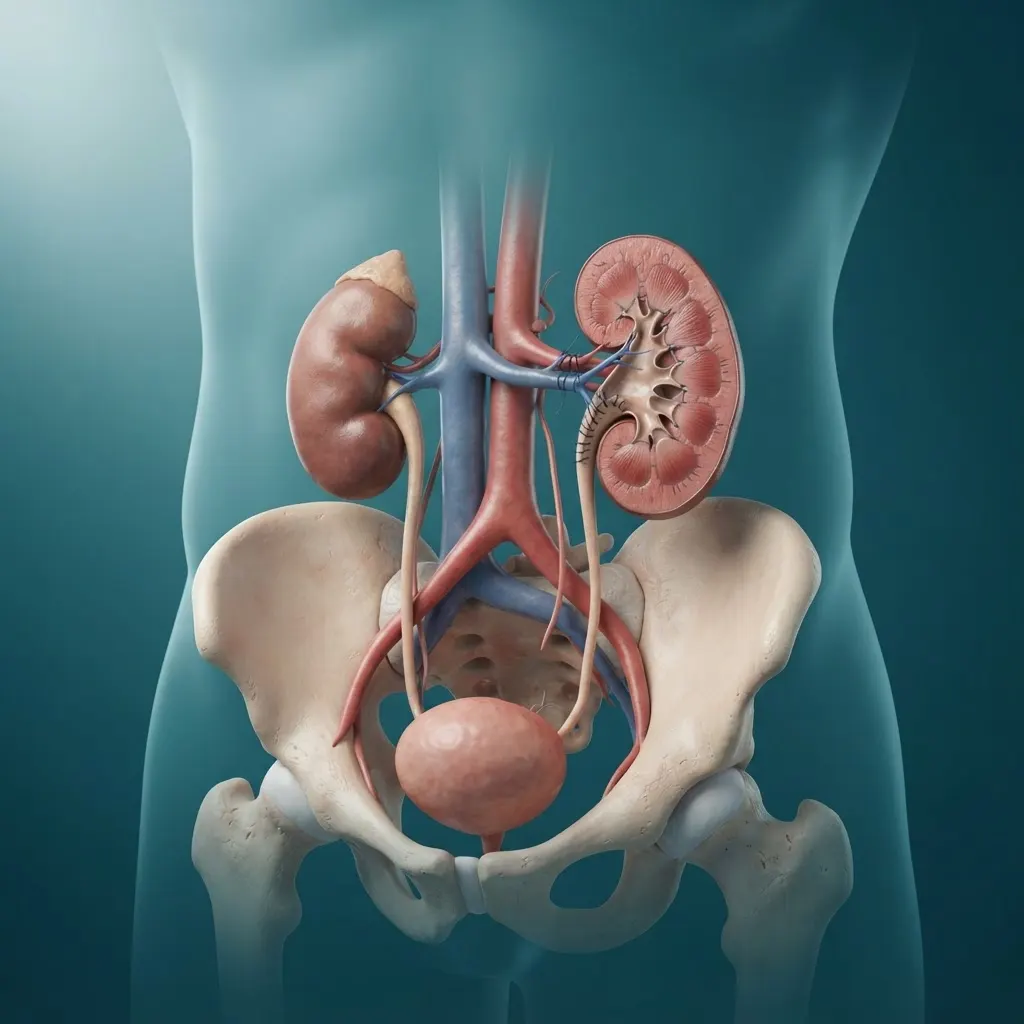
Kidney Transplantation
Kidney transplantation in India with recipient and living-donor evaluation, HLA and compatibility testing, transplant surgery and lifelong immunosuppression follow-up.
Связанные заболевания
Наши услуги БЕСПЛАТНЫ, и ваш счёт в больнице от этого не увеличивается!
Kidney Transplantation: общие сведения
Kidney transplantation in India is a treatment for selected patients with end-stage kidney disease who are medically suitable for transplant. A healthy donor kidney is implanted to restore kidney function, but transplantation requires coordinated nephrology, transplant surgery, immunology, infectious-disease and long-term follow-up rather than being a single surgical event.
Recipient assessment usually includes blood-group and HLA testing, crossmatch and sensitisation review, cardiovascular evaluation, infection screening, cancer-history review and assessment of the cause of kidney failure. Living donors undergo a separate and independent medical, kidney-function and surgical evaluation focused on donor safety. International patients must also meet applicable Indian transplant-law, authorization and documentation requirements before living-donor transplantation can proceed.
After surgery, recipients require lifelong immunosuppressive medicines and monitoring for rejection, infection, medicine toxicity and graft function. The transplant team also plans vaccination, blood-pressure and diabetes management and follow-up after the patient returns home. A patient with active sepsis, unstable cardiovascular disease or another major uncontrolled illness may need treatment and stabilisation before transplant can be considered.
The cost of kidney transplantation in India depends on recipient and donor evaluation, compatibility testing, transplant surgery, ICU and ward stay, medicines, pathology or biopsy when required and treatment of complications. Long-term costs include anti-rejection medicines and regular laboratory and specialist monitoring.
India has established kidney-transplant programmes at tertiary hospitals with transplant nephrology, urology or transplant surgery, immunology laboratories, dialysis, critical care and infection-management support. Medical Help India can connect international patients with a suitable healthcare partner whose transplant team can review recipient and donor records, clarify eligibility and legal requirements and provide an individual transplant and follow-up estimate.
Что входит
Почему стоит рассмотреть лечение в Индии?
Доступ к опытным специалистам
Современные методы лечения и диагностики
Более доступная стоимость лечения в больнице
Более короткие сроки ожидания лечения
Помощь в сравнении больниц, планов лечения и стоимости
Помощь с записью, поездкой и последующим наблюдением
Стоимость в Индии
USDИтоговая стоимость зависит от результатов медицинского обследования, больницы, категории палаты и медицинских показаний.
Как это работает
Оставьте свои данные
Расскажите, что вас беспокоит, сколько вам лет и где вы сейчас находитесь.
Мы вам позвоним
Мы звоним вам, чтобы обсудить вашу ситуацию, потребности и вопросы.
Получите план лечения
Получите информацию о наиболее подходящем плане лечения, больнице и ориентировочной стоимости.
Выберите план
Изучите варианты и согласуйте план лечения и поездки.
Получите полную поддержку
Получайте полную поддержку на каждом этапе лечения.
Пройдите лечение в Индии
Пройдите запланированное лечение при поддержке на протяжении всего пребывания.
Kidney Transplantation: ведущие больницы
Все больницы →





Kidney Transplantation: ведущие врачи
Все врачи →
Dr Sandeep Guleria
Трансплантация почки · 33+ лет

Dr. Deepanshu Gupta
Урология, эндоурология и хирургическое лечение мочекаменной болезни · 15+ лет

Dr. Hemant J. Mehta
Нефрология и трансплантация почки · 35+ лет

Dr. Manju Aggarwal
Трансплантация почки и нефрология · 35+ лет

Dr. Manjunath S
Нефрология и трансплантационная нефрология · 13+ лет

Dr. Mohan Keshavamurthy
Урология · 37+ лет
Часто задаваемые вопросы
How much does Kidney Transplantation cost in India?
Cost depends on recipient and living-donor evaluation, blood-group and HLA testing, crossmatch and sensitisation studies, transplant surgery, ICU and ward stay, immunosuppressive medicines and treatment of complications. Long-term anti-rejection medication and laboratory follow-up are additional ongoing costs.
Which medical reports are useful to have ready for Kidney Transplantation?
Have ready: nephrology and dialysis records, the cause of kidney failure, recent kidney and other organ-function tests, blood group, infection screening, cardiac assessment and current medicines. For a proposed living donor, include blood group, relationship documentation and any available donor kidney-function, imaging or compatibility results, together with previous transplant-centre assessments.
Who may be eligible for kidney transplantation?
Eligibility depends on end-stage kidney disease, overall health, cardiovascular risk, infection status, cancer history and other transplant-centre criteria.
What testing is required for a living kidney donor?
Donors undergo blood-group and compatibility testing plus independent medical, kidney-function and safety assessment before donation can be approved.
Will anti-rejection medicine be needed permanently?
Yes. Kidney-transplant recipients generally require lifelong immunosuppressive therapy and regular monitoring of graft function and treatment complications.

Наши услуги бесплатны
Мы связываем вас с ведущими больницами и специалистами Индии. Оплату вы вносите напрямую больнице.