

Motion Preserving Surgeries
Motion-preserving spine surgery in India using selected artificial-disc or motion-sparing procedures after MRI, stability, facet-joint and bone-quality assessment.
Связанные заболевания
Наши услуги БЕСПЛАТНЫ, и ваш счёт в больнице от этого не увеличивается!
Motion Preserving Surgeries: общие сведения
Motion-preserving spine surgery in India refers to selected procedures that treat spinal disease while retaining movement at the operated level when this is biomechanically appropriate. Options can include cervical or lumbar artificial disc replacement and selected decompression or other motion-sparing procedures. The aim is to treat a defined source of pain or neural compression safely; avoiding fusion is not a benefit if the segment is unstable or otherwise unsuitable for motion preservation.
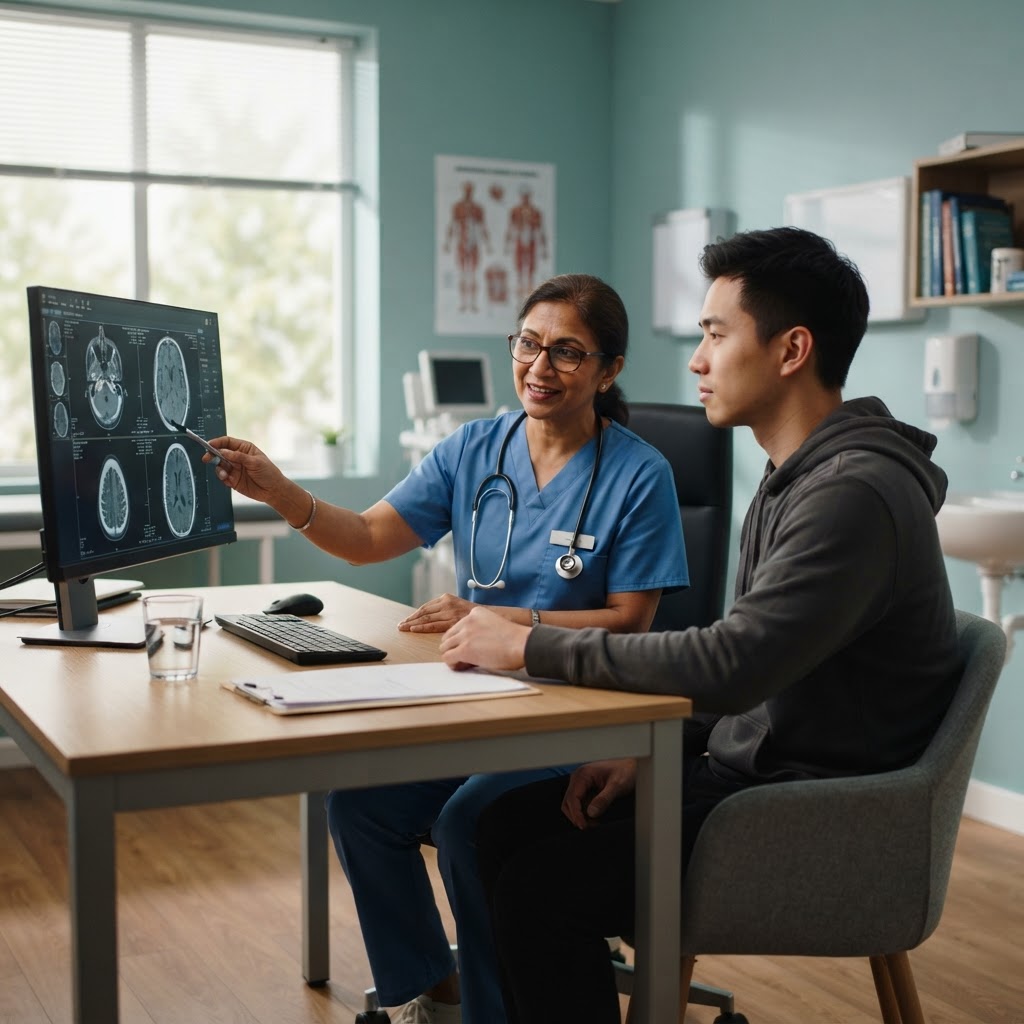
Assessment should include a spine-specialist neurological examination, MRI and standing X-rays, with flexion-extension views or CT added when instability, facet degeneration, previous surgery or bone anatomy needs clarification. Selection depends on the exact diagnosis, spinal alignment, number of affected levels, facet-joint condition, bone quality and whether symptoms correlate with imaging. Significant instability, severe facet arthritis, osteoporosis, infection or major deformity can make fusion or another approach more appropriate.
Risks depend on the operation. Artificial-disc replacement can involve implant migration or subsidence, heterotopic ossification, persistent symptoms and later revision, while decompression carries risks such as dural tear, nerve injury or recurrent compression. New bladder or bowel dysfunction, saddle numbness or rapidly progressive weakness requires urgent local assessment rather than planned medical travel.
Cost in India depends on the actual procedure, cervical or lumbar level, number of levels, implant system, imaging, anaesthesia, hospital stay and rehabilitation. A limited decompression and multilevel artificial-disc reconstruction therefore have very different cost pathways.
India has tertiary orthopaedic and neuroscience hospitals with orthopaedic and neurosurgical spine teams, advanced MRI/CT, motion-preservation implants and structured rehabilitation. Medical Help India is a connection platform that can connect medically stable international patients with an appropriate healthcare partner to review imaging, compare motion-preserving, fusion and non-operative options and provide an individual treatment and cost estimate.
Что входит
Почему стоит рассмотреть лечение в Индии?
Доступ к опытным специалистам
Современные методы лечения и диагностики
Более доступная стоимость лечения в больнице
Более короткие сроки ожидания лечения
Помощь в сравнении больниц, планов лечения и стоимости
Помощь с записью, поездкой и последующим наблюдением
Стоимость в Индии
USDИтоговая стоимость зависит от результатов медицинского обследования, больницы, категории палаты и медицинских показаний.
Как это работает
Оставьте свои данные
Расскажите, что вас беспокоит, сколько вам лет и где вы сейчас находитесь.
Мы вам позвоним
Мы звоним вам, чтобы обсудить вашу ситуацию, потребности и вопросы.
Получите план лечения
Получите информацию о наиболее подходящем плане лечения, больнице и ориентировочной стоимости.
Выберите план
Изучите варианты и согласуйте план лечения и поездки.
Получите полную поддержку
Получайте полную поддержку на каждом этапе лечения.
Пройдите лечение в Индии
Пройдите запланированное лечение при поддержке на протяжении всего пребывания.
Motion Preserving Surgeries: ведущие больницы
Все больницы →
Motion Preserving Surgeries: ведущие врачи
Все врачи →
Часто задаваемые вопросы
How much does Motion Preserving Surgeries cost in India?
Cost depends on the actual motion-preserving procedure, cervical or lumbar level, number of levels, artificial-disc or other implant system, imaging, anaesthesia, hospital stay and rehabilitation. A limited decompression and multilevel disc replacement require different estimates.
Which medical reports are useful to have ready for Motion Preserving Surgeries?
Have ready: recent spine MRI images and reports, standing X-rays and CT or flexion-extension studies if already performed. Include neurological symptoms, previous spine treatment or surgery, bone-density results when relevant and any new weakness or bladder or bowel symptoms.
Which procedures can preserve spinal motion?
Examples include artificial disc replacement and selected decompression or dynamic stabilization procedures, depending on the diagnosis and anatomy.
What imaging helps decide whether motion preservation is suitable?
MRI and standing X-rays are commonly used, with CT or flexion-extension studies added when bone anatomy or instability needs clarification.
Can a motion-preserving implant still cause problems later?
Yes. Implant wear or migration, heterotopic ossification, persistent pain and adjacent or same-level degeneration can occur depending on the procedure.
Наши услуги бесплатны
Мы связываем вас с ведущими больницами и специалистами Индии. Оплату вы вносите напрямую больнице.