

Osteoporosis Fracture Risk Assessment
Osteoporosis fracture-risk assessment in India combines clinical risk factors, fracture history, DXA bone density and selected laboratory testing to guide prevention and treatment decisions.
Наши услуги БЕСПЛАТНЫ, и ваш счёт в больнице от этого не увеличивается!
Osteoporosis Fracture Risk Assessment: общие сведения
Osteoporosis fracture-risk assessment in India evaluates the likelihood of future fragility fractures and helps determine whether bone-protective treatment, lifestyle measures or further investigation are appropriate. It is mainly used in adults with risk factors such as previous low-trauma fracture, older age, long-term corticosteroid use, low body weight, early menopause or conditions associated with bone loss.
Assessment combines a clinical history with DXA bone-density testing when indicated, usually at the hip and lumbar spine. Tools such as FRAX may be used to estimate 10-year fracture probability, but the result must be interpreted alongside factors that a calculator may not fully capture, including recent fractures, falls, glucocorticoid dose and some secondary causes of osteoporosis.
Additional evaluation may include calcium, vitamin D, thyroid, kidney or other laboratory testing for secondary bone loss, and vertebral imaging when occult compression fractures are suspected. The aim is not simply to produce a T-score but to decide who needs treatment, which therapy is appropriate and how fracture risk should be monitored over time.
The cost of osteoporosis assessment in India depends on DXA testing, specialist consultation, laboratory investigations and any additional imaging.
India offers access to rheumatology, endocrinology and metabolic-bone specialists at tertiary hospitals with DXA and laboratory support. Medical Help India can connect you with a suitable healthcare partner whose team can review fracture history, bone-density results and medical risk factors and advise on prevention and treatment.
Что входит
Почему стоит рассмотреть лечение в Индии?
Доступ к опытным специалистам
Современные методы лечения и диагностики
Более доступная стоимость лечения в больнице
Более короткие сроки ожидания лечения
Помощь в сравнении больниц, планов лечения и стоимости
Помощь с записью, поездкой и последующим наблюдением
Стоимость в Индии
USDИтоговая стоимость зависит от результатов медицинского обследования, больницы, категории палаты и медицинских показаний.
Как это работает
Оставьте свои данные
Расскажите, что вас беспокоит, сколько вам лет и где вы сейчас находитесь.
Мы вам позвоним
Мы звоним вам, чтобы обсудить вашу ситуацию, потребности и вопросы.
Получите план лечения
Получите информацию о наиболее подходящем плане лечения, больнице и ориентировочной стоимости.
Выберите план
Изучите варианты и согласуйте план лечения и поездки.
Получите полную поддержку
Получайте полную поддержку на каждом этапе лечения.
Пройдите лечение в Индии
Пройдите запланированное лечение при поддержке на протяжении всего пребывания.
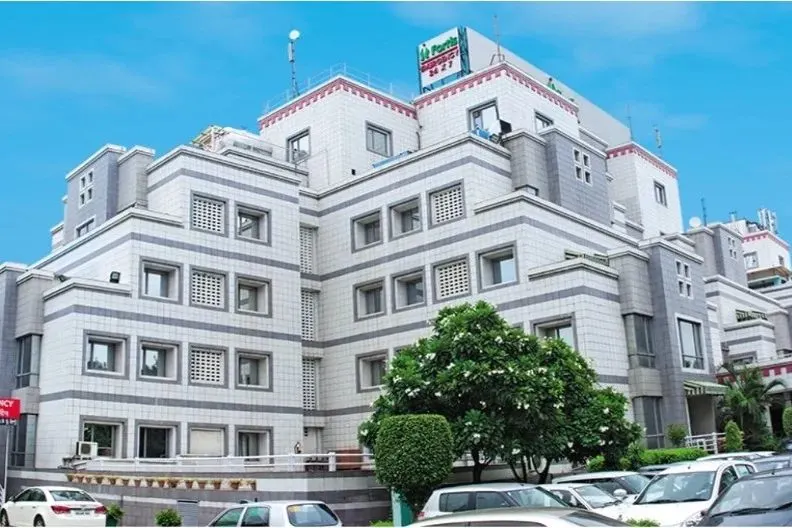
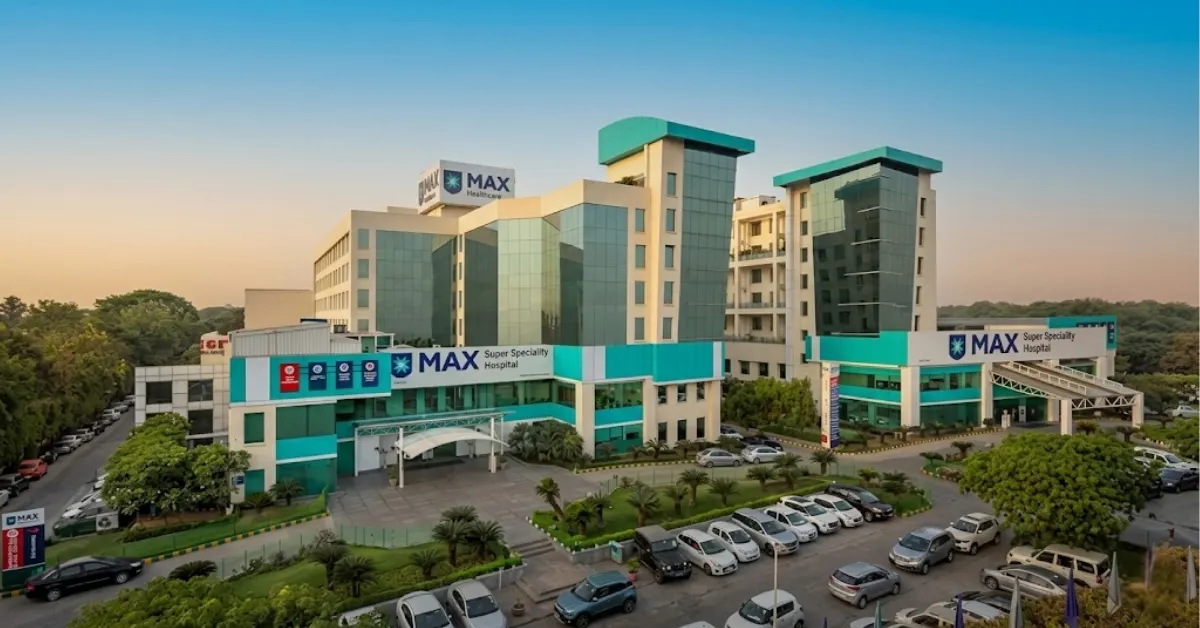
Osteoporosis Fracture Risk Assessment: ведущие больницы
Все больницы →

Osteoporosis Fracture Risk Assessment: ведущие врачи
Все врачи →


Часто задаваемые вопросы
How much does Osteoporosis Fracture Risk Assessment cost in India?
Cost depends on specialist consultation, DXA bone-density testing, FRAX or equivalent clinical risk review, laboratory testing for secondary causes and any vertebral imaging required.
Which medical reports are useful to have ready for Osteoporosis Fracture Risk Assessment?
Have ready: prior DXA results, fracture history, spine or hip imaging, current medicines and recent calcium, vitamin D, thyroid or kidney tests if available. Include long-term steroid use, menopause history and other known osteoporosis risk factors.
What information is used to estimate osteoporosis fracture risk?
Assessment combines fracture history, age, medical and medication risk factors and DXA bone density when indicated rather than relying on a single test result.
What does FRAX estimate?
FRAX estimates 10-year probability of major osteoporotic fracture and hip fracture using clinical risk factors, with or without femoral-neck bone density.
Why are blood tests sometimes needed during osteoporosis assessment?
Laboratory testing can identify secondary causes of bone loss such as vitamin D deficiency, thyroid disease, kidney problems or other metabolic conditions that may change treatment.
Наши услуги бесплатны
Мы связываем вас с ведущими больницами и специалистами Индии. Оплату вы вносите напрямую больнице.