

Static and Dynamic Procedures for Facial Paralysis
Facial paralysis reconstruction in India using static suspension, nerve transfer, muscle transfer or microsurgical techniques selected according to paralysis duration, residual nerve-muscle function and functional goals.
Связанные заболевания
Наши услуги БЕСПЛАТНЫ, и ваш счёт в больнице от этого не увеличивается!
Static and Dynamic Procedures for Facial Paralysis: общие сведения
Facial paralysis reconstruction in India includes static and dynamic procedures used when facial nerve function has not recovered adequately and weakness causes problems with eye protection, oral competence, facial symmetry or smile movement. The appropriate strategy depends on the cause and duration of paralysis, patient age, remaining muscle function and whether usable nerve pathways are still available.
Assessment usually includes a facial nerve and reconstructive examination, review of previous surgery, trauma or tumour treatment and, when useful, electromyography, nerve-conduction testing or imaging. Early or partial paralysis may be managed differently from longstanding complete paralysis because denervated facial muscles gradually lose their ability to respond to nerve transfer.
Dynamic reconstruction can use nerve transfers, regional muscle transfer or free functional muscle transplantation to restore active movement. Static procedures such as fascial slings, eyelid loading, brow procedures or suspension techniques improve resting symmetry and function without creating active motion. Treatment may be staged, and facial neuromuscular retraining is often an important part of rehabilitation.
The cost of facial paralysis reconstruction in India depends on static versus dynamic surgery, microsurgery, donor-site procedure, number of stages and rehabilitation.
India offers access to facial plastic, ENT, reconstructive and microsurgical teams at tertiary hospitals with facial nerve assessment and rehabilitation support. Medical Help India can connect you with a suitable healthcare partner whose team can review the paralysis history and advise on static, dynamic or combined reconstruction.
Что входит
Почему стоит рассмотреть лечение в Индии?
Доступ к опытным специалистам
Современные методы лечения и диагностики
Более доступная стоимость лечения в больнице
Более короткие сроки ожидания лечения
Помощь в сравнении больниц, планов лечения и стоимости
Помощь с записью, поездкой и последующим наблюдением
Стоимость в Индии
USDИтоговая стоимость зависит от результатов медицинского обследования, больницы, категории палаты и медицинских показаний.
Как это работает
Оставьте свои данные
Расскажите, что вас беспокоит, сколько вам лет и где вы сейчас находитесь.
Мы вам позвоним
Мы звоним вам, чтобы обсудить вашу ситуацию, потребности и вопросы.
Получите план лечения
Получите информацию о наиболее подходящем плане лечения, больнице и ориентировочной стоимости.
Выберите план
Изучите варианты и согласуйте план лечения и поездки.
Получите полную поддержку
Получайте полную поддержку на каждом этапе лечения.
Пройдите лечение в Индии
Пройдите запланированное лечение при поддержке на протяжении всего пребывания.
Static and Dynamic Procedures for Facial Paralysis: ведущие больницы
Все больницы →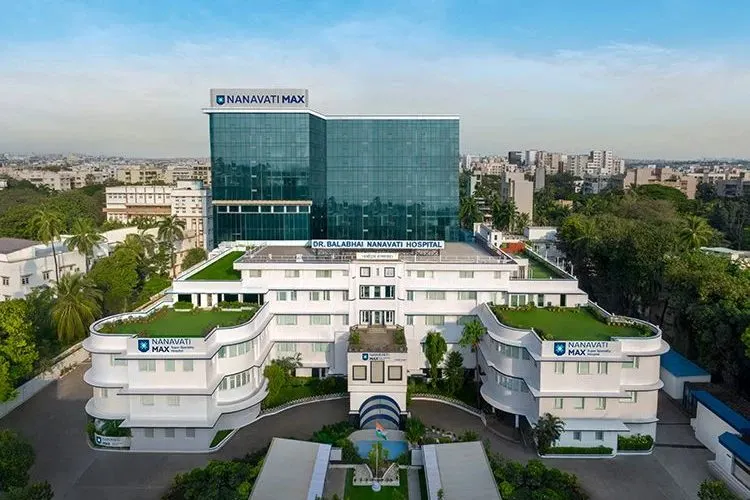
Static and Dynamic Procedures for Facial Paralysis: ведущие врачи
Все врачи →
Часто задаваемые вопросы
How much does Static And Dynamic Procedures For Facial Paralysis cost in India?
Cost depends on static versus dynamic reconstruction, nerve or muscle transfer, free functional muscle transplantation, microsurgery, number of stages and rehabilitation. Eye-protection procedures and later revisions may be quoted separately.
Which medical reports are useful to have ready for Static And Dynamic Procedures For Facial Paralysis?
Have ready: records showing the cause and duration of facial paralysis, previous ENT, neurology or reconstructive assessments, EMG or nerve studies and relevant MRI/CT if performed. Include prior tumour surgery, trauma, radiotherapy or facial nerve procedures and current eye, speech or oral-function problems.
What is the difference between static and dynamic facial paralysis surgery?
Static procedures improve resting position and function without creating active movement, while dynamic reconstruction uses nerve or muscle transfer to restore movement where possible.
Why does the duration of facial paralysis affect reconstruction options?
Longstanding denervation can cause facial muscles to lose their ability to respond to nerve transfer, making muscle transfer or static reconstruction more appropriate in some patients.
Is rehabilitation needed after facial paralysis reconstruction?
Often yes. Facial neuromuscular retraining can help patients coordinate new movement patterns after nerve or muscle transfer and may improve functional outcomes.
Наши услуги бесплатны
Мы связываем вас с ведущими больницами и специалистами Индии. Оплату вы вносите напрямую больнице.