

Cardiac Arrest Emergency Treatment
Cardiac arrest requires immediate CPR, defibrillation and emergency medical care where the patient is located; it is not suitable for planned medical travel.
Price on request
View Treatment →Browse procedures by category and find the right treatment at India's top hospitals.
Cardiac arrest requires immediate CPR, defibrillation and emergency medical care where the patient is located; it is not suitable for planned medical travel.
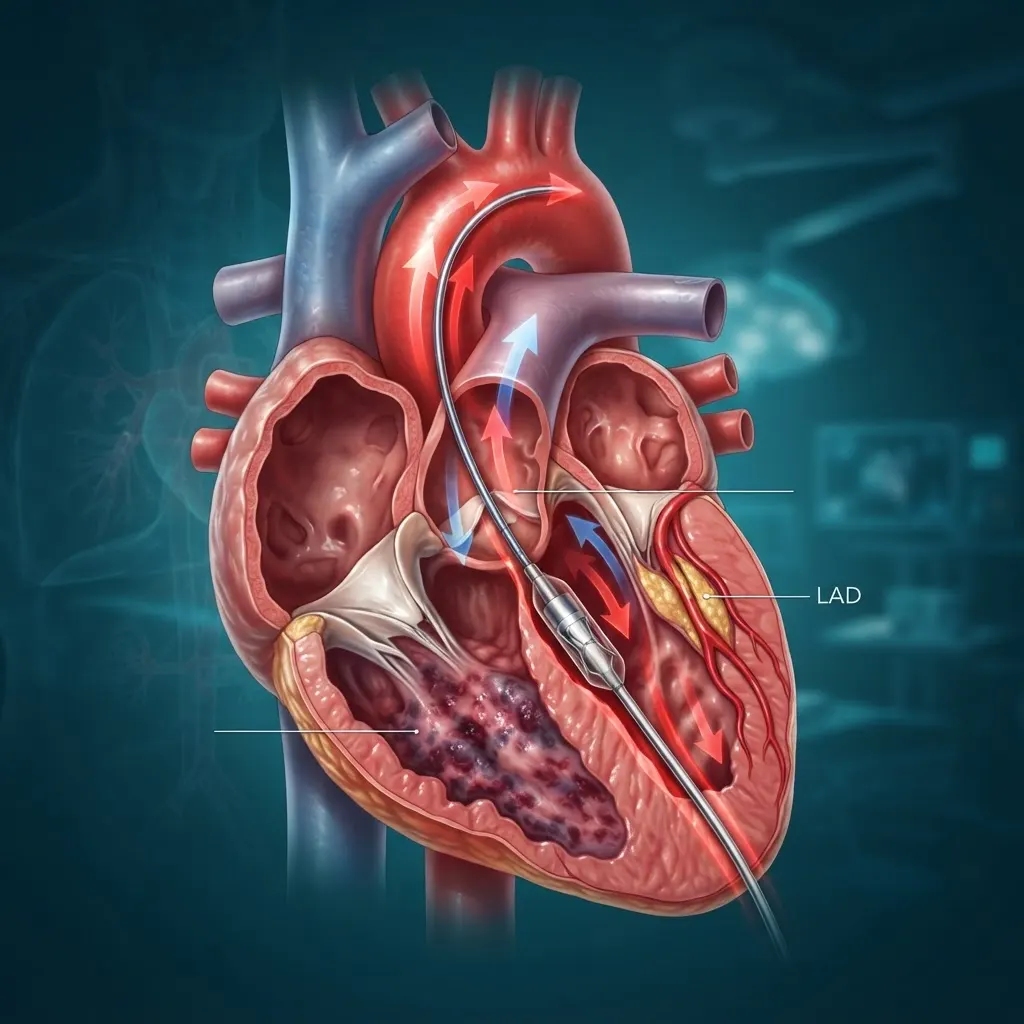
Cardiogenic shock requires immediate emergency and critical-care treatment where the patient is located; it is not suitable for planned medical travel.
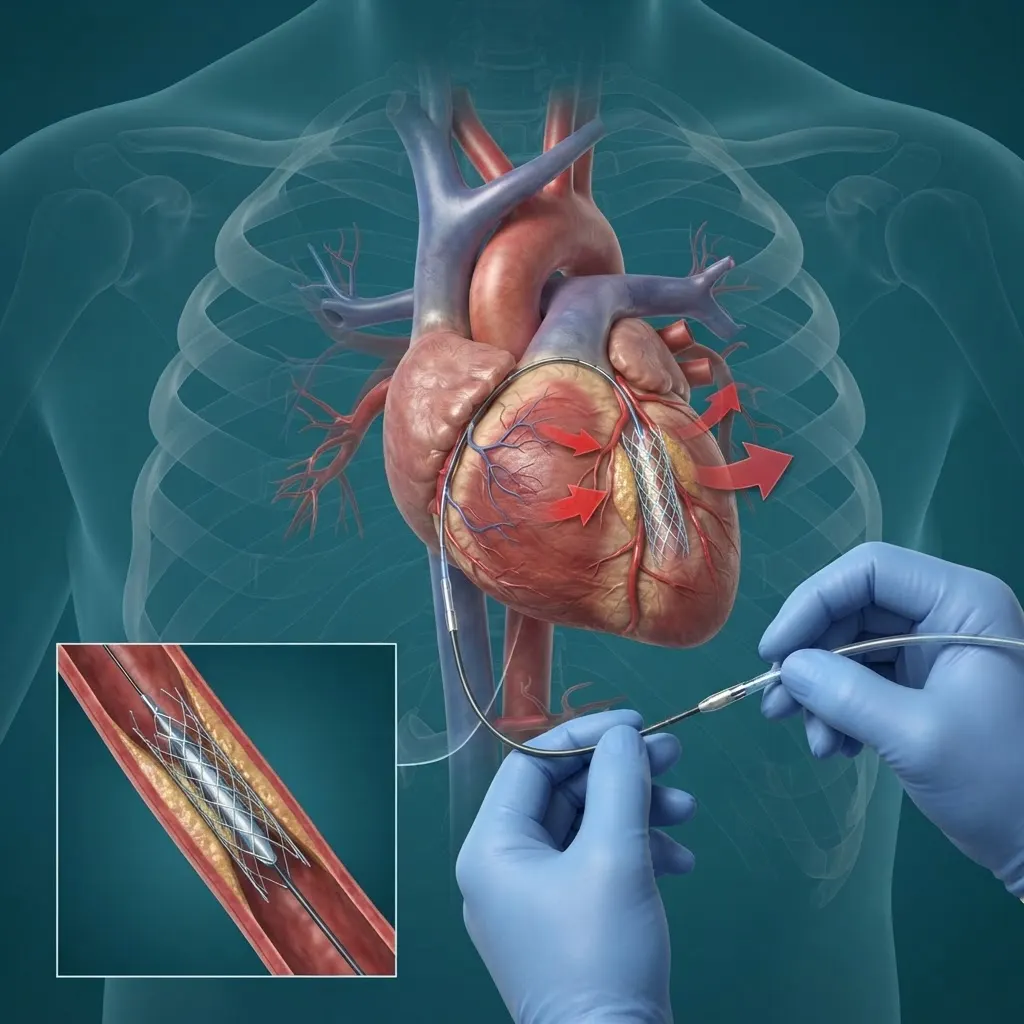
Critical care for cardiovascular emergencies in India with immediate ICU, cardiology and emergency management for unstable heart and circulatory conditions.

ECMO support in India for selected severe reversible heart or lung failure, with VV- or VA-ECMO, specialist ICU assessment, advanced organ support and case-specific cost planning.
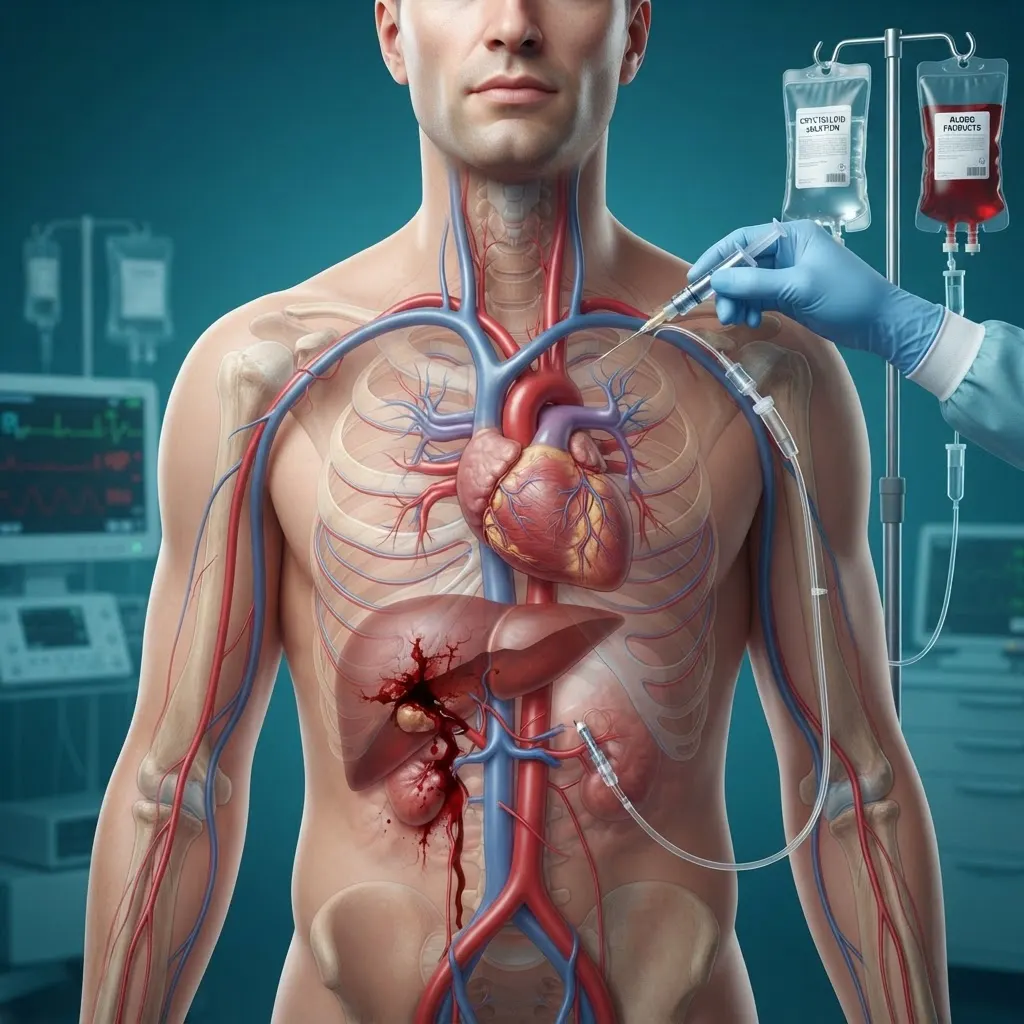
Hypovolemic shock requires immediate local resuscitation and control of major blood or fluid loss; transfer to India should be considered only after medical stabilisation.
Obstructive shock requires immediate cause-specific emergency treatment for conditions such as massive pulmonary embolism, cardiac tamponade or tension pneumothorax, with ICU and specialist support.
Emergency pericardial effusion, cardiac tamponade and respiratory crises require immediate local stabilization; stable patients may later need specialist cardiac, pulmonary or critical-care follow-up in India.

Post-cardiac arrest care in India with intensive cardiac and neurological monitoring, cause-directed treatment, organ support and rehabilitation planning after medical stabilisation.
Septic shock requires immediate local emergency and ICU care. In India, tertiary hospitals provide infection control, vasopressor and organ-support treatment for severe cases.