
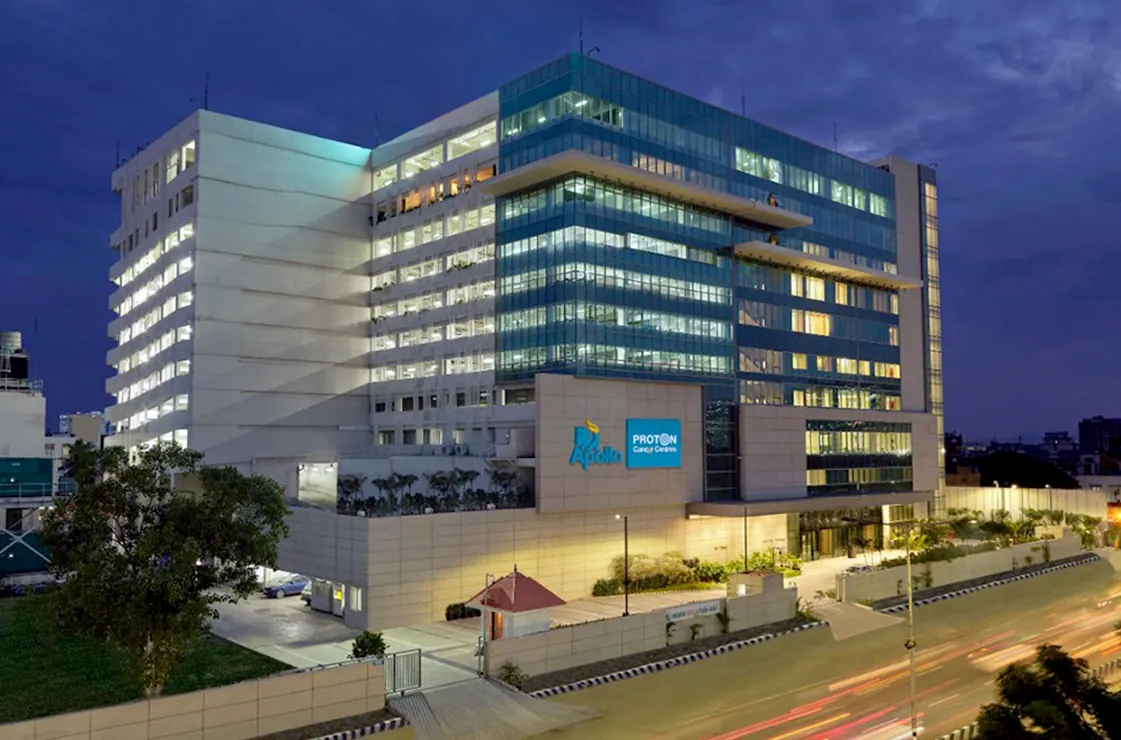
Medical tourism in India attracts hundreds of thousands of international patients each year for cancer care, cardiac surgery, orthopaedics, organ transplantation, fertility treatment, neurosurgery and other specialist care. The main advantage is not simply lower prices: India combines large tertiary hospitals, experienced specialist teams and advanced treatment technology with an established pathway for international patients.
Medical tourism in India at a glance
According to India's Ministry of Tourism, India recorded 644,387 foreign tourist arrivals for medical purposes in 2024. Bangladesh was by far the largest source market, followed by countries including Iraq, Somalia, Oman and Uzbekistan. The Indian government also continues to support medical travel through e-Medical and e-Medical Attendant visa routes.
| What international patients usually compare | Why it matters |
|---|---|
| Hospital and cancer/specialty programme | The hospital must have the right specialist team and equipment for the actual diagnosis. |
| Named doctor | The experience of the individual surgeon or specialist can matter as much as the hospital brand. |
| Treatment plan | Two hospitals may recommend different sequences of surgery, medicines or radiation. |
| Total estimated cost | Quotes should include investigations, hospital stay, implants or drugs where relevant. |
| Length of stay in India | Recovery, pathology review and follow-up can extend the trip beyond the procedure itself. |
| International-patient support | Visa letters, airport transfer, interpreters, appointments and admission coordination can significantly simplify the journey. |
Why do international patients choose India for medical treatment?
Large specialist hospitals
India has major tertiary hospitals and dedicated specialty centres in Delhi NCR, Mumbai, Chennai, Bengaluru, Hyderabad and other cities. Many combine surgical, medical and diagnostic specialties in one campus, which can be valuable for patients with complex disease or significant comorbidities.
Experienced specialist doctors
High-volume hospitals may treat large numbers of cardiac, oncology, orthopaedic, transplant and neurosurgical cases. When comparing options, however, international patients should focus on the specific doctor's experience with the required procedure or cancer type, not simply years of experience or the hospital's reputation.
Advanced equipment
Depending on the hospital and specialty, available technologies can include robotic surgery, PET-CT, advanced LINAC radiation, stereotactic radiosurgery, proton therapy, nuclear medicine, molecular diagnostics, navigation-assisted surgery and modern intensive-care support. Technology should only influence the decision when it is clinically relevant.
Cost
For many procedures, treatment in India can cost less than in higher-cost healthcare markets. But a headline package price is not the same as the final bill. Diagnostic work, intensive care, implants, medicines, complications, additional procedures and a longer hospital stay can change the total significantly. See our guide to treatment costs in India for a better way to compare estimates.
Common treatments international patients seek in India
The right destination depends heavily on the treatment. Some of the major areas international patients research include:
- Cancer treatment: chemotherapy, immunotherapy, targeted cancer therapy, radiation therapy and stem-cell transplantation.
- Cardiac care: coronary bypass surgery, heart valve repair or replacement, coronary angioplasty and cardiac catheter ablation.
- Orthopaedics: total knee replacement, total hip replacement, spinal decompression surgery and other joint or spine procedures.
- Neurosurgery: brain surgery, spinal decompression, stereotactic surgery and other complex brain and spine procedures.
- Transplantation: liver transplantation, kidney transplantation and bone marrow transplantation where legal and clinically appropriate.
- Fertility treatment: IVF and other assisted-reproduction services subject to Indian law and eligibility rules.
- Ophthalmology: cataract surgery, vitreoretinal surgery and other advanced eye care.
- Bariatric surgery: laparoscopic sleeve gastrectomy, Roux-en-Y gastric bypass and other bariatric procedures.
Browse our treatment directory to compare procedures, estimated costs, hospitals and doctors.
How the medical tourism process in India works
1. Collect your medical records
Prepare recent reports, pathology, scans, laboratory results, previous surgery or treatment summaries and a list of current medicines. For complex cases, a short chronological medical summary makes remote review easier.
2. Compare suitable hospitals and doctors
Do not send records to ten random hospitals. Shortlist two or three centres that genuinely treat the condition and have the required specialists and technology. Our hospital-selection guide explains what to compare.
3. Request a remote medical review
The hospital or specialist reviews the available records and may provide a preliminary treatment recommendation. This is not always a final treatment plan: pathology review, physical examination or additional scans after arrival can change it.
4. Obtain a written estimate
Ask what is included in the estimate and which items are variable. For surgery, clarify surgeon, anaesthesia, operating theatre, room category, ICU, implants and expected hospital stay. For cancer treatment, ask whether quoted costs cover the entire planned course or only one cycle or session.
5. Obtain the hospital letter and medical visa
For eligible nationalities applying for India's e-Medical Visa, the official Indian e-Visa portal requires a copy of a letter from the Indian hospital on its letterhead showing the date or tentative date of admission or treatment, in addition to the passport bio page. Applications should be made through the official Government of India e-Visa website.
6. Plan travel and admission
Confirm the hospital appointment before buying non-refundable travel. Ask whether the patient needs to arrive several days before treatment for investigations, anaesthesia clearance or pathology review.
7. Treatment and follow-up
Before discharge, obtain operative notes, pathology reports, discharge summary, medication list, implant details where applicable and a clear follow-up plan. Ask which follow-up can be performed remotely and what requires returning to India.
Medical visa for India
India offers an e-Medical Visa and an e-Medical Attendant Visa for eligible nationalities. The official e-Visa portal currently states that e-Medical applications may be submitted at least four days before arrival, within the permitted application window. A hospital letter is required for the medical applicant. Visa eligibility, duration and entry conditions can change, so patients should always verify the current rules on the official Government of India portal before travelling.
How much does medical tourism in India cost?
There is no single medical-tourism price. Cost depends on the diagnosis, hospital, doctor, city, procedure complexity, room category, implants, medicines and length of stay. For cancer care and other multi-stage treatment, the final cost can also depend on pathology, genomic testing and the number of treatment cycles.
When comparing hospitals, request the estimate in writing and ask:
- Is the doctor's professional fee included?
- Are diagnostic tests before surgery included?
- Does the quote include ICU if clinically necessary?
- Are implants, devices or expensive drugs included?
- How many hospital days does the package assume?
- What happens to the price if admission is longer?
- Does the quote cover follow-up visits?
Share your case and, with your consent, Medical Help India will connect you with relevant healthcare providers who can help coordinate suitable hospital and doctor options, appointments, travel support, admission and follow-up. Our service is free for patients and does not increase the hospital bill.
How to choose the right hospital in India
A strong hospital should match the patient's exact clinical need. Accreditation such as NABH or JCI can be useful evidence of processes and quality systems, but accreditation alone does not tell you whether a hospital is the best centre for a specific operation or cancer.
Prioritise:
- Doctor expertise in the exact condition or procedure.
- Case volume and outcomes when reliable data are available.
- Appropriate technology, not simply the longest equipment list.
- Multidisciplinary care for complex conditions.
- ICU and emergency backup for major surgery.
- Clear written treatment plan and estimate.
- International coordination when the patient needs help with travel, language or appointments.
Start with our hospital directory or read Best Hospitals in India for International Patients. For oncology, see our evidence-based comparison of the best cancer hospitals in India.
Risks and questions patients should not ignore
Medical travel can offer access and cost advantages, but it also creates practical risks. Patients may be far from the treating team after returning home, estimates can change after examination, and complications can extend both treatment and travel.
- Do not choose a hospital only because it offers the lowest quote.
- Do not treat a marketing claim such as a “99% success rate” as meaningful unless the hospital explains the patient population and methodology.
- Ask who is responsible for managing complications after discharge.
- Confirm whether blood products, ICU, implants or expensive medicines may increase the estimate.
- Keep copies of all records before returning home.
- Arrange follow-up with a doctor in your home country when needed.
Frequently asked questions
Is India a good destination for medical tourism?
India can be a strong option for patients who find an appropriate specialist and hospital for their diagnosis. The country has large tertiary hospitals, dedicated specialty centres and advanced treatment technology, but quality and expertise vary between hospitals and specialties.
How many medical tourists travel to India?
India's Ministry of Tourism reported 644,387 foreign tourist arrivals for medical purposes in 2024. Government reporting also shows that Bangladesh accounted for the largest share among major source countries.
Do I need a medical visa for treatment in India?
Many international patients use India's e-Medical Visa where eligible. The official e-Visa process requires a hospital letter for the medical applicant. Nationality, passport type and purpose of travel affect eligibility, so always confirm the current rule on the official Government of India portal.
Can I bring someone with me?
India provides an e-Medical Attendant Visa category for eligible accompanying persons. Current conditions should be checked before applying.
Should I pay the entire treatment cost before travelling?
Payment policies differ by hospital. Before transferring money, confirm the beneficiary, cancellation policy, what the estimate covers and whether the payment is a deposit or full settlement.
Sources and methodology
Medical-travel statistics and visa information in this guide were checked against current Government of India sources, including the Ministry of Tourism and the official Indian e-Visa portal. Hospital and treatment comparisons should always be verified for the patient's diagnosis and travel date because services, doctors, prices and visa rules can change.
Sources and medical references
Not sure where to start?
You do not need to choose a hospital before asking for help. Start with your diagnosis and the medical records you already have.
Share your case and, with your consent, Medical Help India will connect you with relevant healthcare providers who can help coordinate suitable hospital and doctor options, appointments, travel support, admission and follow-up. Our service is free for patients and does not increase the hospital bill.